How to Buy Electrical Components for Industrial Use: A Selection Guide
Buying industrial electrical components comes down to four checks: match the electrical ratings (voltage and current), match the environment (IP rating and temperature), confirm compliance (UL or IEC listing), and verify the supplier and lifecycle support. Get these right and a component runs reliably for years. Get one wrong and it becomes an unplanned-downtime event.
This guide walks procurement and maintenance teams through each decision, with the specifications and standards needed to buy correctly rather than by habit or lowest price. It also maps each component class to where you can source it.
Component classes and where they fit
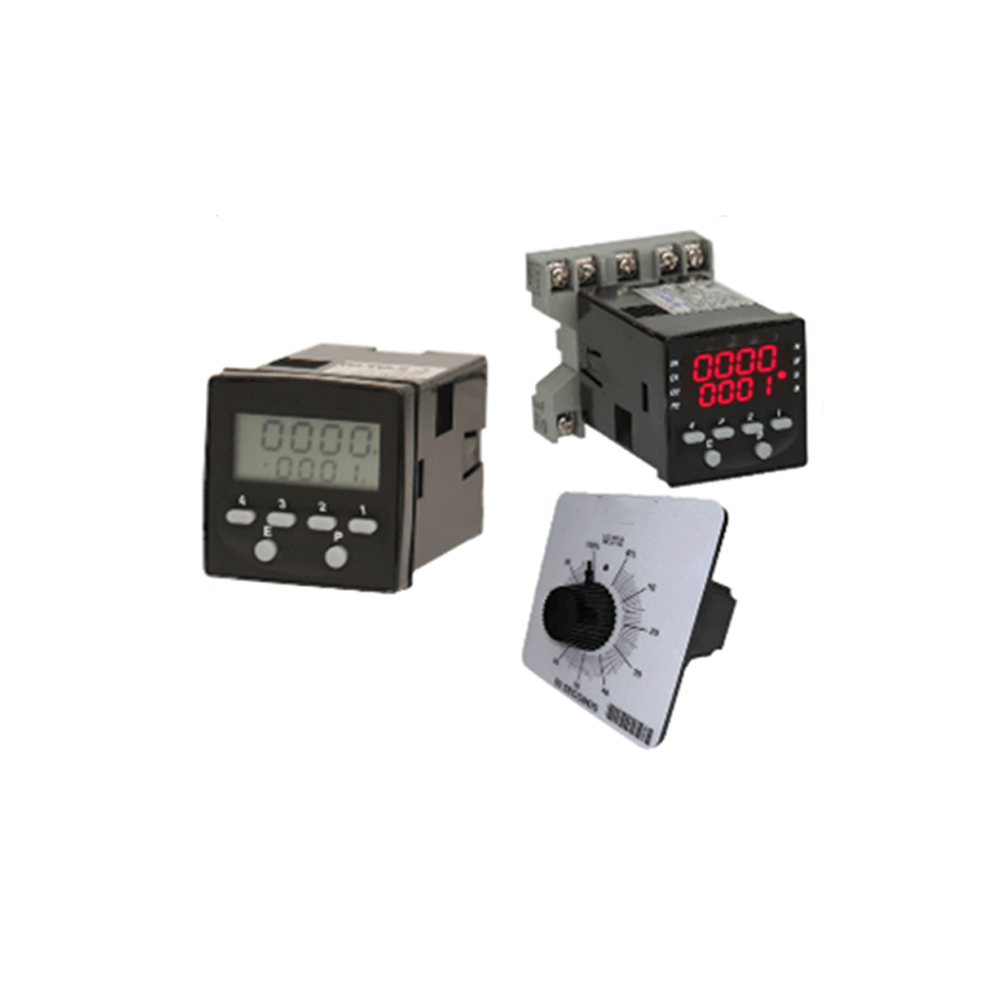
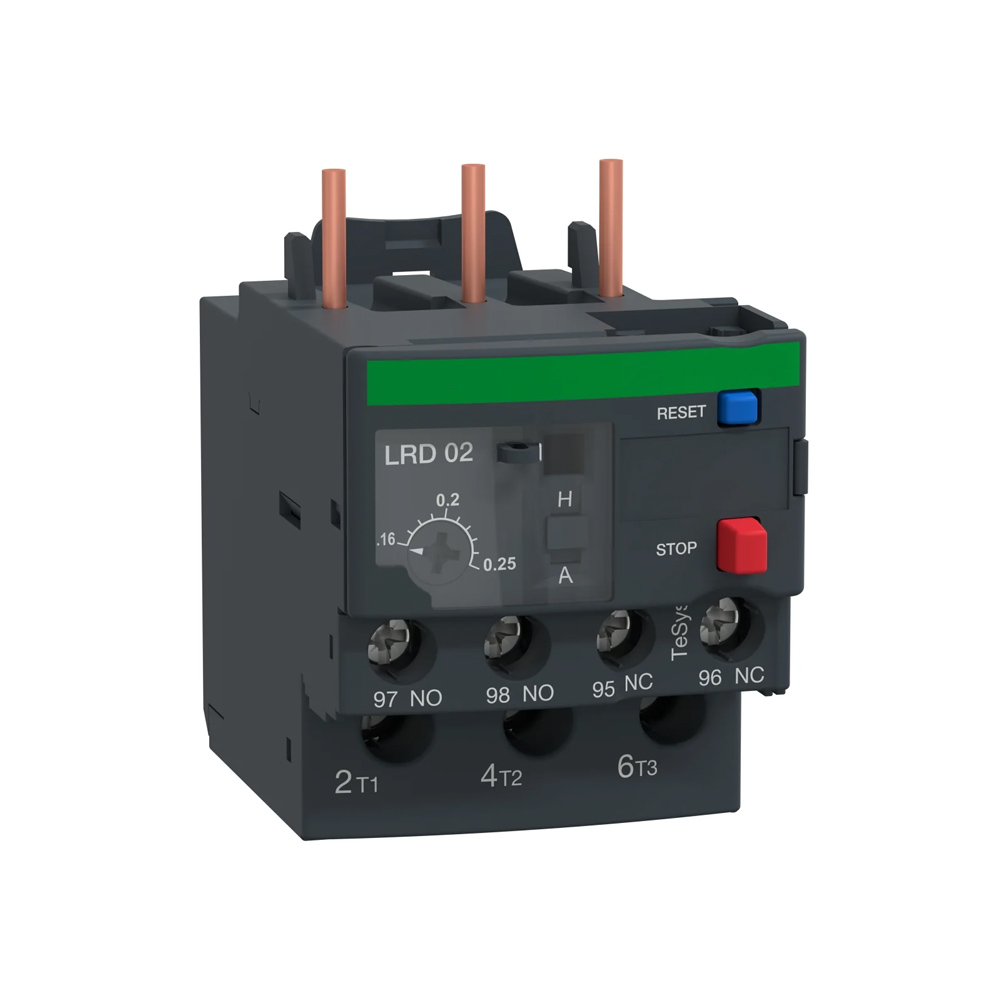
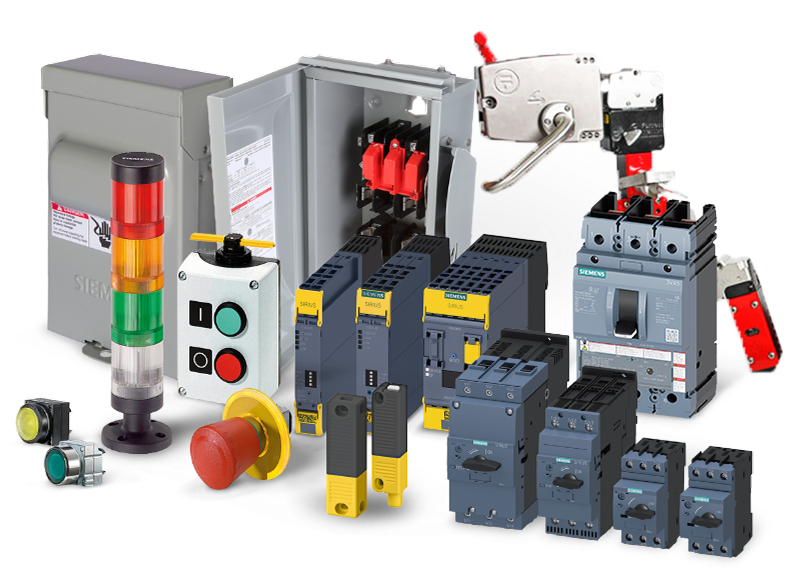
Industrial electrical components fall into a few functional classes. Knowing the class narrows the specification and points to the right catalog.
The first check is electrical fit. A component must handle the voltage and current of its circuit with margin, not just meet the nominal figure.
Voltage rating must equal or exceed the system voltage, with headroom for transients. Current rating must cover continuous load plus inrush. Derating matters here: current rating assumes defined conditions, and enclosed spaces, high ambient temperature, or grouped conductors all reduce the usable current. As one industrial connector guide notes, derating may be required when several contacts carry current at the same time, because current is closely related to heat.
Undersizing on current is the most common failure cause, because the resulting heat degrades insulation and contacts over time. Always size to the real operating condition, not the datasheet ideal.
Check 2: match the environment and IP rating
Industrial settings expose components to dust, moisture, vibration, chemicals, and temperature extremes. The Ingress Protection (IP) rating, defined by IEC 60529, is the standardized measure of how well an enclosure resists solids and liquids.
An IP code has two digits. The first rates protection against solids from 0 to 6, and the second rates protection against liquids from 0 to 9. Higher digits pass tougher tests, and an X means that digit was not tested.
IP digit
First digit (solids)
Second digit (liquids)
4
Objects over 1 mm
Splashing water
5
Dust-protected
Low-pressure jets
6
Dust-tight
Powerful jets
7
Dust-tight
Immersion to 1 m
8
Dust-tight
Continuous immersion
In many industrial applications IP65 is the typical minimum, giving full dust protection and resistance to low-pressure water jets. IP67 adds temporary immersion, verified by the IPX7 test at up to one meter for thirty minutes. Choose the rating that matches the actual exposure, since over-specifying a sealed enclosure adds cost and complicates heat dissipation. For US specifications, NEMA 4 corresponds roughly to IP65/66 and NEMA 6P to IP67/68.
Check 3: confirm compliance and safety standards
Compliance is not optional in industrial electrical work. The two dominant frameworks are UL in North America and IEC internationally, and they cover different but overlapping ground.
Standard
Scope
IEC 60529
IP ratings, dust and water ingress
IEC 60947
Low-voltage switchgear and controlgear
UL 508A
Industrial control panels
UL 94
Flammability of plastic materials
UL 746C
Polymeric materials in electrical equipment
RoHS / REACH
Restricted and registered substances
UL certification means a third-party safety body has tested the component to the relevant standard. IEC standards focus on electrical and electronic safety and are harmonized across Europe as EN standards. For components with plastic housings, UL 94 flammability classification matters wherever fire risk is a concern, and RoHS and REACH govern restricted substances for market access. Ask suppliers for the listing marks and, where needed, the test certificates.
Check 4: assess lifecycle cost and supplier support
Purchase price is only part of the cost. Total cost of ownership includes installation, energy efficiency, maintenance, expected life, and the cost of downtime if the component fails.
A higher-quality component at a premium price often wins on TCO, because reliability avoids the far larger cost of an unplanned shutdown. Factor in the availability of replacement parts, lead times, and technical support when comparing options. A cheaper component with a six-week lead time is not cheaper if it strands a production line.
Why source through a vetted marketplace
Component reliability starts with supplier integrity. Counterfeit and gray-market electrical components are a real risk, and they defeat every specification check above because the markings cannot be trusted.
eINDUSTRIFY is a premier global B2B marketplace for industrial supplies, and every seller is vetted. That means you source genuine components carrying authentic UL and IEC marks from named manufacturers, with traceability, rather than unverified stock. You also compare specifications and lead times across suppliers in one place, which is difficult when buying direct from scattered vendors.
Applications across industries
Component selection shifts with the sector, and each maps to industries eINDUSTRIFY serves. In Power Generation, components face heat, vibration, and continuous duty, so ratings and margins run high. In Data Centers, power supplies and distribution demand redundancy and tight reliability. InManufacturing, control-panel components must meet UL 508A and survive the plant-floor environment. Matching the component to the sector's demands is the difference between specified reliability and repeat failures.
Frequently Asked Questions
What should I consider when buying electrical components for industrial use?
Check four things in order: electrical ratings (voltage and current with derating margin), environmental fit (IP rating and temperature), compliance (UL or IEC listing), and supplier reliability including lead time and support. Matching all four to the real operating condition is what prevents premature failure.
What is an IP rating?
An IP (Ingress Protection) rating, defined by IEC 60529, is a two-digit code showing how well an enclosure resists solids and liquids. The first digit runs 0 to 6 for solids, the second 0 to 9 for liquids. IP65, for example, is dust-tight and protected against low-pressure water jets.
What is the difference between UL and IEC standards?
UL is a North American third-party safety certification, while IEC standards are international and harmonized across Europe as EN standards. UL testing emphasizes fire, impact, and electrical safety, and IEC focuses on electrical and electronic safety. Products sold in both markets often carry dual certification.
What does component derating mean?
Derating means reducing a component's rated capacity to account for real conditions such as high ambient temperature, enclosed mounting, or grouped conductors. Because current generates heat, a component may safely carry less current in a hot or crowded installation than its datasheet figure suggests.
How do I avoid counterfeit electrical components?
Source through vetted suppliers who provide traceability and authentic certification marks. Counterfeit components often carry forged UL or IEC markings, which makes every other specification unreliable. A vetted marketplace or authorized distributor is the safest route.
What IP rating do I need for industrial equipment?
IP65 is a common industrial minimum, giving full dust protection and resistance to low-pressure water jets. Use IP67 where equipment may be briefly immersed, and lower ratings like IP20 only for protected indoor locations. Match the rating to the actual exposure rather than over-specifying.
Source electrical components through eINDUSTRIFY
eINDUSTRIFY connects procurement, MRO, and plant engineering teams with vetted suppliers of industrial Electrical components. Source genuine, standard-compliant parts with traceability, and compare specifications across brands like Siemens, ABB, Eaton, and Schneider Electric in one place.
Browse the Electrical Components category for circuit breakers, power supplies, wiring accessories, circuit boards, and battery chargers. For bulk orders, hard-to-find parts, or multi-site standardization,submit an RFQ and our team will match you to the right suppliers with fast price comparison. Call 1-888-774-7632 or email info@eindustrify.com to get started.
Tags: electrical components component selection IP rating IEC 60529 UL certification industrial procurement













 vs Automatic Transfer Switch (ATS) for Data Centers.png)