How to Run an Industrial RFQ: From Specification to Award
An RFQ (request for quotation) is the sourcing document you issue when specifications are fixed and price is the main variable. Run it in six steps: define the specification, qualify the supplier list, issue the RFQ, collect and normalize bids, evaluate on total cost, and award. Done well, it delivers comparable quotes and a defensible decision. Done loosely, it produces bids you cannot compare.
This guide is written for procurement, MRO, and plant teams sourcing physical industrial goods, not software. It covers which document to use, what belongs in the spec, and how to score bids beyond unit price.
RFQ vs. RFP vs. RFI: which document to use
Using the wrong document is the most common and costly sourcing error. Each answers a different question.
Document
Purpose
Use when
RFI (information)
Explore the market and supplier capability
You do not yet know the supplier landscape
RFP (proposal)
Compare solutions and total value
The problem is defined but the solution is not
RFQ (quotation)
Compare price on a fixed spec
Specifications are final and standardized
The short rule: RFI explores, RFP evaluates, RFQ prices. An RFQ is appropriate when the product is standardized and the requirements, quantities, and delivery terms are stable, so the only major variable left is cost.
Two errors recur. Issuing an RFP for a simple commodity forces suppliers to write long proposals for a part number, wasting time on both sides. Issuing an RFQ when the problem is not yet defined produces bids against a spec that changes later, which invalidates the comparison.
The six-step industrial RFQ process
A structured process is what makes bids comparable and the award defensible. The table lays out the sequence, and the detail follows.
Step
Action
Output
1
Define requirements and write the spec
RFQ document
2
Qualify and select the supplier list
Invited bidder list
3
Issue the RFQ with a deadline
Live sourcing event
4
Collect and normalize responses
Bid tabulation
5
Evaluate on weighted criteria
Scored shortlist
6
Negotiate and award
Contract and onboarding
Step 1: Define the specification
The specification carries the entire RFQ. Vague specs are the reason quotes come back incomparable. Include the exact part or material designation, applicable standards, quantities, delivery location and date, packaging, and any certification or documentation required.
For industrial goods this means naming the standard, not just the item. A fitting spec should cite the pressure class and thread standard; a component spec should cite the ratings and approvals. Ambiguity here transfers cost and risk to you later.
Step 2: Qualify the supplier list
An RFQ is not a public advertisement. It goes only to suppliers who have already passed qualification, which is what keeps responses credible and comparable. Vet capability, certifications, financial stability, and traceability before inviting anyone to bid.
Three to five qualified bidders is a practical target for most industrial categories. The common three-bids-and-a-buy approach secures three quotes against the same RFQ before award.
Step 3: Issue with clear rules
Send every bidder the identical document, deadline, and response format. Use a standard response template so quotes arrive in a comparable structure, which saves substantial time at evaluation.
State the submission deadline, the question window, the single point of contact, and the award criteria. Setting the rules up front prevents mid-event disputes and keeps the process auditable.
Step 4: Normalize the bids
Quotes rarely arrive on the same basis. Before comparing anything, normalize them: same currency, same incoterms, same quantity break, same lead time assumption, same freight and duty treatment.
Build a bid tabulation that places each supplier in a column and each cost element in a row. Unnormalized comparison is the single fastest way to award to the wrong supplier.
Step 5: Evaluate on total cost, not unit price
Set the scoring weights before you issue the RFQ, not after bids arrive, which removes bias from the decision. Score on total cost of ownership alongside price.
Criterion
What to score
Landed cost
Unit price plus freight, duty, packaging
Lead time
Quoted lead time and reliability history
Compliance
Certifications, documentation, traceability
Terms
Payment terms, MOQ, NCNR conditions
Risk
Financial stability, single-source exposure
A low unit price with a long lead time, a high minimum order quantity, or non-cancellable terms often carries the highest true cost. Weight quality and delivery reliability above price for anything that can halt production.
Step 6: Negotiate and award
Use the tabulation as your negotiating baseline. A best and final offer (BAFO) round is standard practice where bids are close, giving shortlisted suppliers one opportunity to sharpen terms.
On award, move the agreed terms directly into the purchase order or contract, then onboard the supplier into your systems. Document the rationale, since a recorded, criteria-based decision is what makes the award defensible in audit.
Common RFQ mistakes to avoid
Most failed sourcing events trace to a handful of avoidable errors.
Writing an incomplete specification is the largest. If the spec omits a standard, a tolerance, or a certification, suppliers will quote different things and the comparison becomes meaningless.
Inviting unqualified bidders wastes cycles and introduces counterfeit and quality risk. Comparing raw quotes without normalizing freight, duty, and terms produces a false winner. And awarding on unit price alone ignores the lead time and reliability costs that dominate total cost in industrial supply.
How a vetted marketplace simplifies the RFQ
The slowest parts of an RFQ are usually qualifying suppliers and chasing comparable quotes. A vetted marketplace removes both frictions from the front of the process.
Because sellers are vetted before listing, the qualification step is largely done, and you can reach multiple qualified suppliers from one request rather than contacting each individually. That shortens the cycle and widens the competitive field at the same time.
Source and quote through eINDUSTRIFY
eINDUSTRIFY is a premier global B2B marketplace for industrial supplies, built for procurement, MRO, and plant teams that need comparable quotes from qualified suppliers quickly. Every seller is vetted, so the qualification work at the front of your RFQ is already handled.
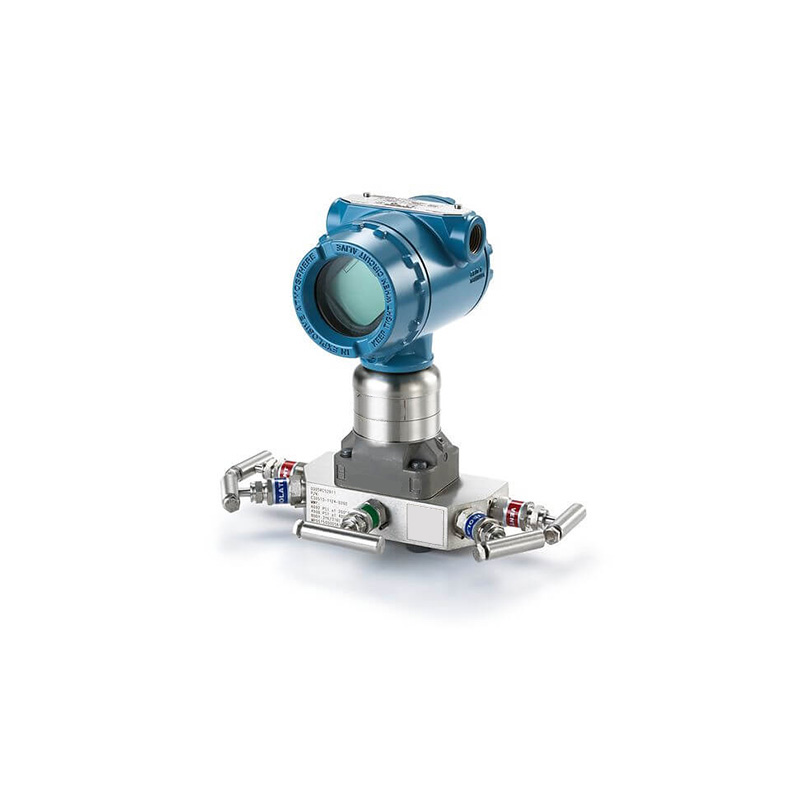
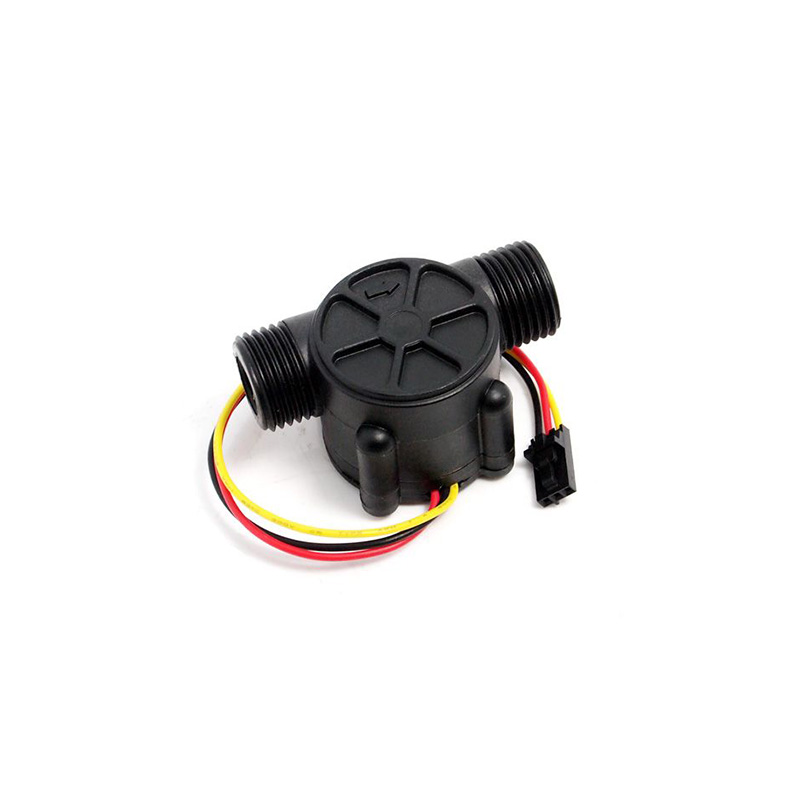
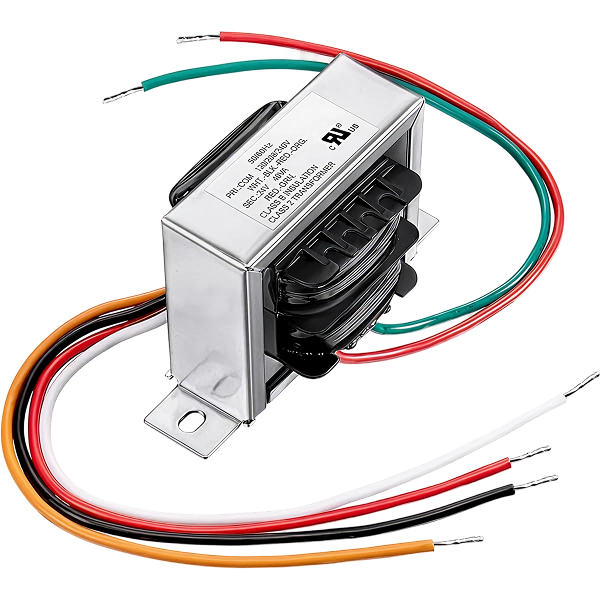
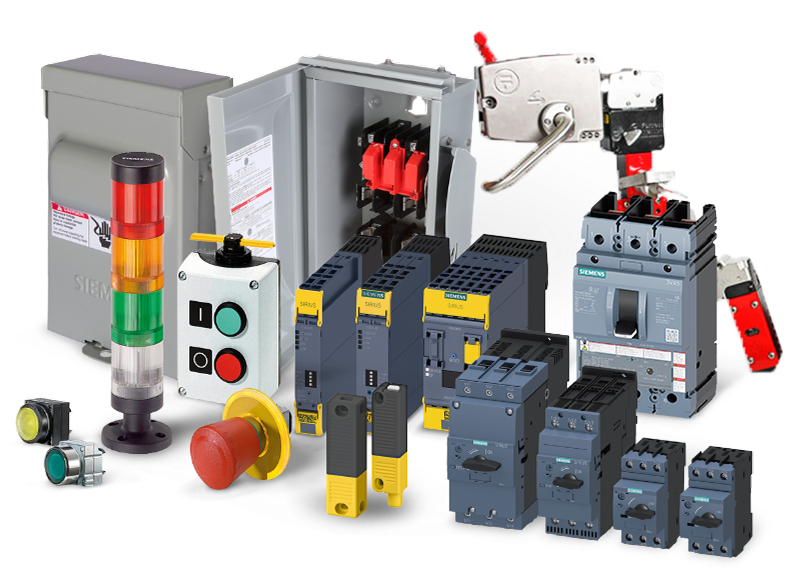
Submit an RFQ and our team will match your specification to the right suppliers with fast price comparison. Browse live categories including Electrical, Industrial Control, Instrumentation, and Filters, serving sectors from Power Generation to Manufacturing. For deeper supplier strategy, see how to segment and hold suppliers accountable with KPIs after the award, and how to vet a supplier's certifications and financial stability before you ever invite them to bid. Call 1-888-774-7632 to get started.
Frequently asked questions
What is an RFQ in procurement?
An RFQ (request for quotation) is a formal sourcing document issued when requirements are clearly defined and standardized, asking suppliers to quote price against a fixed specification. It is used when the scope is settled and price is the primary variable.
What is the difference between an RFQ and an RFP?
An RFQ asks for pricing against a defined specification and compares bids mainly on cost. An RFP asks suppliers to propose a solution to a defined problem and is evaluated on total value, including technical approach and capability. Use an RFQ for standardized goods and an RFP for complex or undefined solutions.
When should I use an RFI instead?
Use an RFI when you do not yet understand the supplier market or your requirements are not settled. It gathers capability and market information to narrow the supplier pool before you issue an RFP or RFQ.
How many suppliers should I invite to an RFQ?
Three to five qualified suppliers is practical for most industrial categories, and the common three-bids-and-a-buy approach secures three quotes against the same RFQ. Invite only pre-qualified suppliers, since an RFQ is not publicly advertised.
How do I compare quotes fairly?
Normalize every bid to the same basis first: currency, incoterms, quantity, freight, duty, and lead time assumptions. Then score against weights set before the RFQ was issued, using total landed cost rather than unit price alone.
What is a BAFO?
A best and final offer (BAFO) is a final negotiation round where shortlisted suppliers get one opportunity to improve their pricing or terms. It is commonly used when top bids are close on score.
Why is the specification so important?
The specification determines whether quotes are comparable. If it omits a standard, tolerance, quantity, or certification, suppliers will quote different things and the comparison becomes meaningless, which usually surfaces as cost and delay after the award.
Tags: RFQ process industrial sourcing RFQ vs RFP bid evaluation total cost of ownership procurement