Best Practices for Sellers on B2B E-Commerce Marketplaces: How to Get Listed and Sell on eINDUSTRIFY
Selling on a B2B marketplace means listing your products on a platform that connects you directly with business buyers, not consumers. eINDUSTRIFY is a vetted, industrial-focused marketplace, so getting approved and listed here works differently than on a generalist platform like Amazon Business. This guide covers exactly what that process looks like, what you can sell, and how to get found by procurement buyers faster.
What Is a B2B Online Marketplace, and Why Are Sellers Moving to Them
A B2B online marketplace is a digital platform where multiple sellers list products for other businesses to buy, rather than a single company selling directly through its own storefront. Marketplaces now capture a growing share of B2B commerce because they concentrate buyer demand in one place.
US B2B marketplace e-commerce sales grew 519% between 2021 and 2024, now accounting for roughly 14% of all B2B sales, according toElogic Commerce's 2026 state of B2B e-commerce report. That is the fastest-growing digital sales channel in the sector. For a supplier, this shift means procurement buyers are increasingly starting their search on a marketplace, not a vendor's own website.
Why Vertical-Specific Marketplaces Outperform Generalist Platforms for Industrial Sellers
Vertical marketplaces built around a specific industry consistently attract more qualified buyer intent than generalist platforms, because every visitor is already searching within that category. The number of B2B marketplaces has grown from roughly 75 five years ago to more than 750 today, with projections of 1,000 by 2026, according toSwell's 2025 B2B marketplace trends report. That growth is driven almost entirely by vertical specialization.
eINDUSTRIFY is a vertical marketplace built specifically for industrial, power generation, and MRO buyers, not a general-purpose platform with an industrial category bolted on. A buyer searching eINDUSTRIFY for turbine air filters or industrial control components is already a qualified procurement lead, not a browser.
Factor
Generalist Marketplace
eINDUSTRIFY (Vertical Industrial Marketplace)
Buyer intent
Mixed consumer and business traffic
100% B2B, procurement and plant/operations buyers
Seller vetting
Often minimal or self-service
Every seller vetted before listing
Category depth
Broad, shallow categories
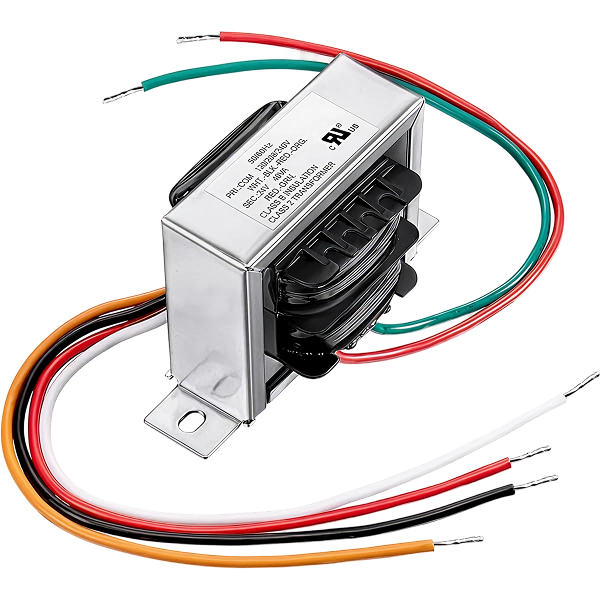
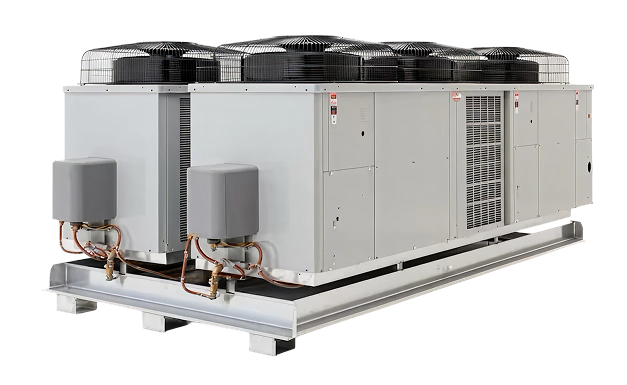
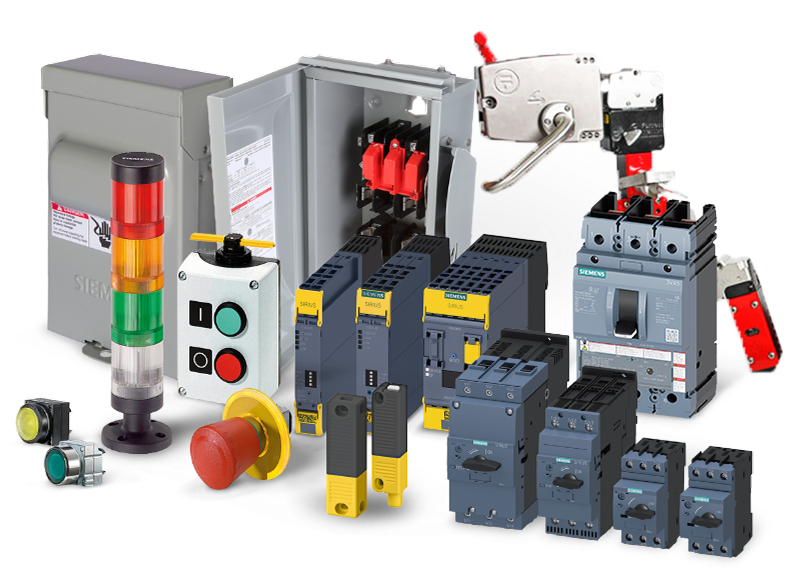
Deep industrial taxonomy: Electrical, HVAC, Industrial Control, Filters, Energy Storage, turbine parts
Buyer trust signal
Variable, mixed reviews
Positioned against gray market and counterfeit risk
Pricing model
Mostly fixed-price listings
Fixed listings plus RFQ-based quoting for custom and bulk orders
How to Get Approved as a Seller on eINDUSTRIFY
Getting approved as a seller on eINDUSTRIFY starts with a vetting review, not an automatic self-service signup. This distinguishes it from marketplaces where anyone can list immediately, and it is the reason procurement buyers trust products sourced through the platform.
The vetting process is what protects the marketplace's core promise to buyers: no gray market stock, no unverified sellers, no counterfeit risk. To begin,register an account and submit your company and product information for review before listing goes live.
Sellers whose products serve buyers inpower generation, data centers, or heavy industrial operations tend to see the strongest fit, since these are eINDUSTRIFY's core buyer verticals.
Listing Requirements That Get Industrial Products Approved Faster
A complete, accurate listing gets reviewed and approved faster than a partial one. Industrial buyers evaluate parts on specification accuracy, not just price, so listings need correct part numbers, material specs, and compatibility details, not just a product name and photo.
At minimum, prepare accurate SKU or part numbers, technical specification sheets, clear product images, and correct category placement within eINDUSTRIFY's taxonomy before submitting a listing for review. Incomplete technical data is the most common reason a listing gets sent back for revision.
Pricing, Commission, and RFQ Mechanics for Sellers
eINDUSTRIFY supports two pricing paths for sellers: fixed-price listings for standard catalog items and RFQ-based quoting for custom, bulk, or hard-to-find part requests. This dual model matters because industrial buyers frequently need a quote rather than an off-the-shelf price, especially for turbine parts, transformers, or large-volume orders.
When a buyer submits aRequest for Quotation, qualifying sellers are matched against the request based on category and product fit. For specific commission and fee structure details, sellers should confirm current terms directly during the onboarding review, since these are set per category and are not identical across the entire catalog.
Best Practices Once You're Listed
Once approved, sellers who keep listings accurate and respond quickly to buyer inquiries consistently outperform sellers who treat their listing as a one-time setup task. Product data drifts out of date fast in industrial categories as specs, part numbers, and compliance details change.
Three habits separate strong sellers from inactive ones on any B2B marketplace: keeping technical specifications current, responding to buyer and RFQ inquiries within one business day, and monitoring which categories and part numbers are driving the most inquiries. Buyers in industrial procurement expect technical accuracy and fast turnaround more than they expect marketing polish.
Buyer expectations around digital experience are rising fast across B2B overall. Seventy four percent of B2B buyers globally, and 91% in the US, say they would switch suppliers for a better web store experience, according toElogic's 2026 B2B e-commerce benchmarks. A complete, well-maintained listing is a direct extension of that expectation.
eINDUSTRIFY vs. Generalist B2B Marketplaces at a Glance
Question a seller asks
Generalist Marketplace
eINDUSTRIFY
Is every seller vetted?
Not always
Yes, before listing
Is the buyer base industrial?
Mixed
Power generation, MRO, data centers, industrial operations
Can I quote custom or bulk orders?
Limited
Yes, via RFQ
Is there a defined industrial taxonomy?
Often shallow
Deep categories: Electrical, HVAC, Filters, Energy Storage, turbine parts, and more
Frequently Asked Questions
How do I become a seller on eINDUSTRIFY?
Register an account and submit your company and product details for vetting review. Approval is required before your listings go live, which is what maintains eINDUSTRIFY's no-gray-market, no-counterfeit standard for buyers.
What products can I sell on eINDUSTRIFY?
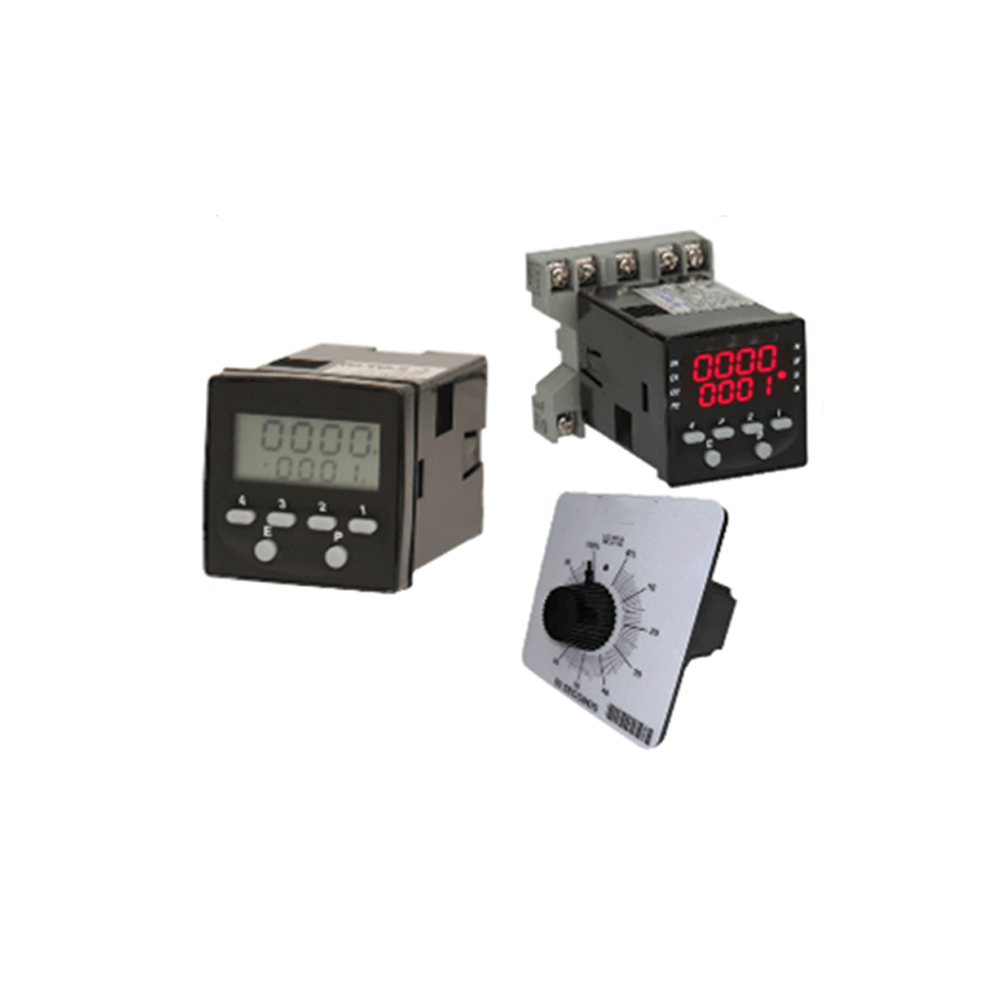
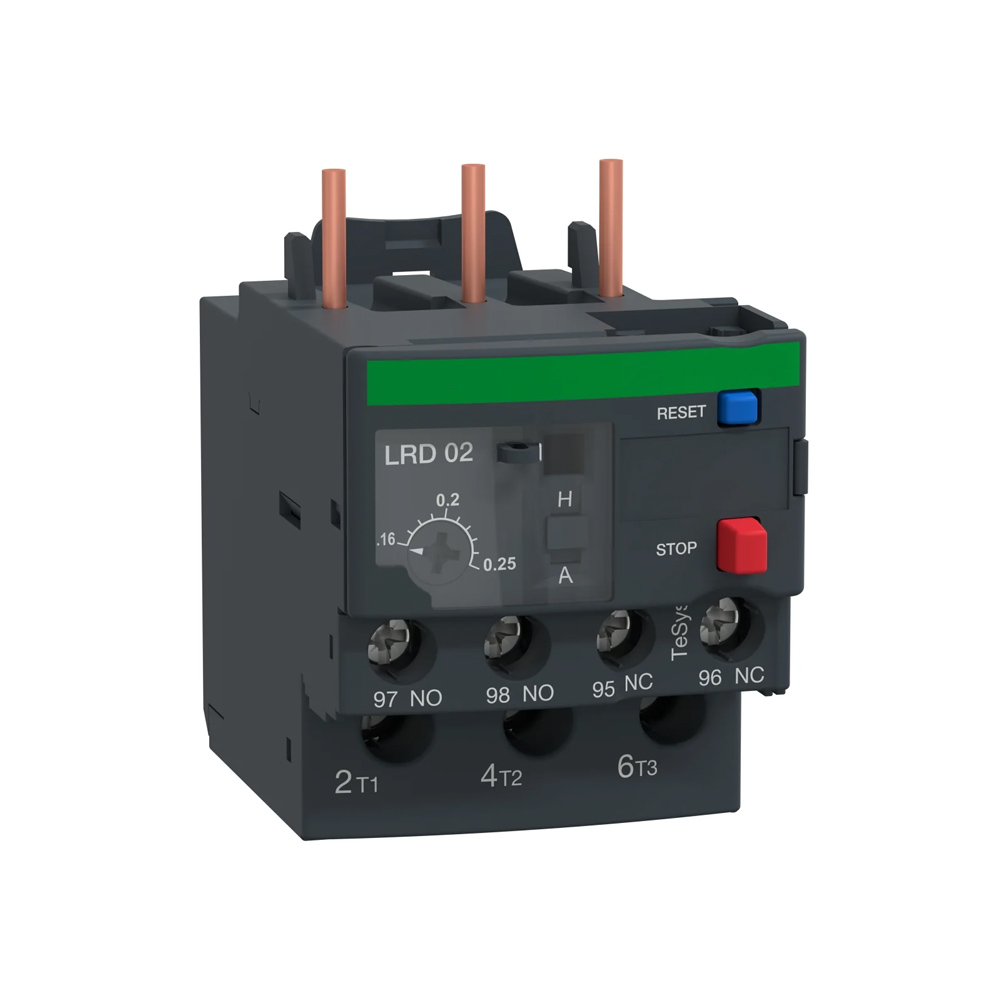
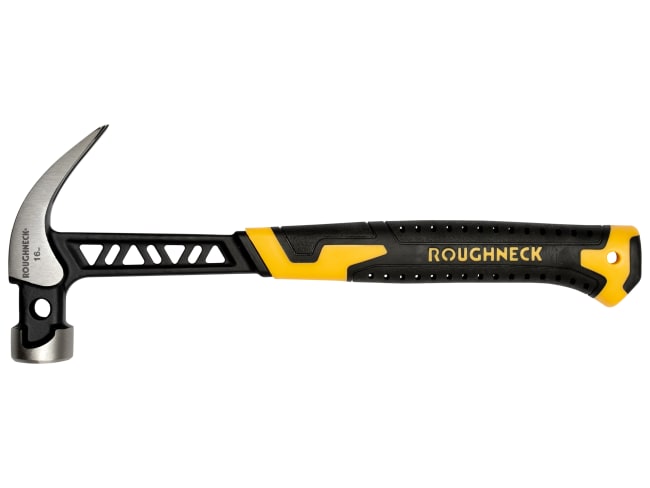
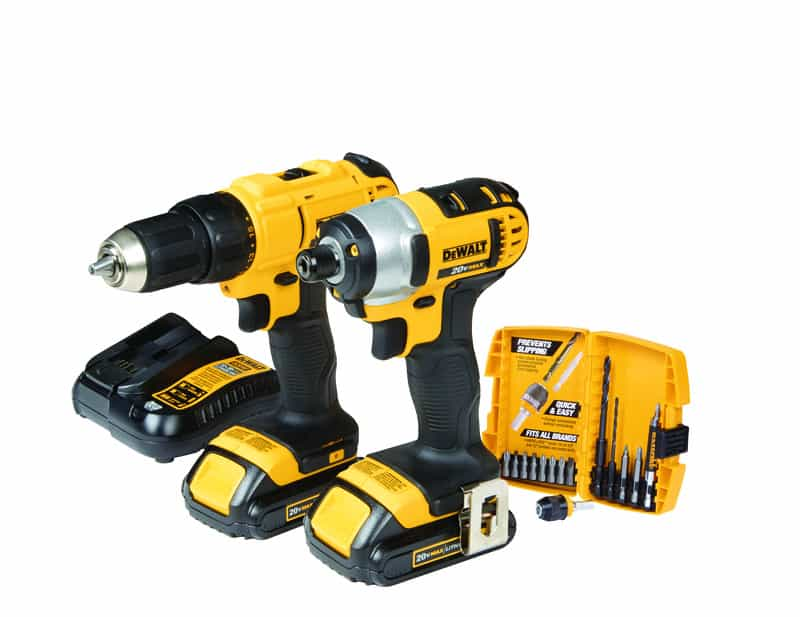
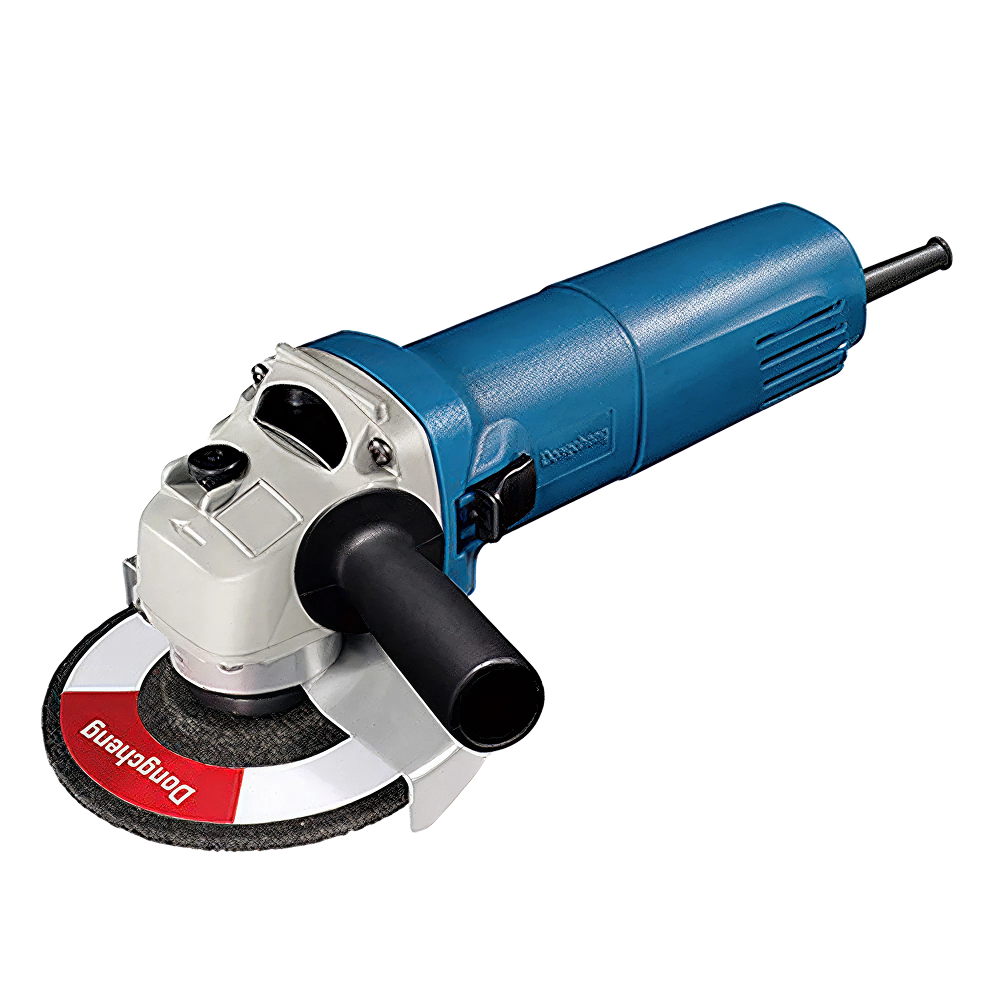
eINDUSTRIFY accepts sellers across Electrical, HVAC & Refrigeration, Industrial Control, Tools, Hardware, Energy Storage, Filters, and specialized power generation and turbine parts categories. Products must fit an existing category in the platform's taxonomy.
Is there a fee to sell on eINDUSTRIFY?
Commission and fee structures are set per category and confirmed during the seller onboarding review. Sellers should verify current terms directly at registration rather than assume a flat marketplace-wide rate.
How does eINDUSTRIFY vet sellers?
Every prospective seller goes through a review of company information and product data before any listing is approved, which is the mechanism that keeps unverified or gray market suppliers off the marketplace.
Do sellers set fixed prices or respond to quotes?
Both. Standard catalog items typically use fixed-price listings, while custom, bulk, or hard-to-find parts are matched to sellers through the RFQ process when a buyer submits a request.
Start Selling on eINDUSTRIFY
If your products serve power generation, industrial, or MRO buyers, eINDUSTRIFY connects you directly with procurement teams who are already searching for vetted suppliers in your category.Register as a seller to begin the vetting review, or email info@eindustrify.com if you have questions about category fit before applying.
















 vs Automatic Transfer Switch (ATS) for Data Centers.png)