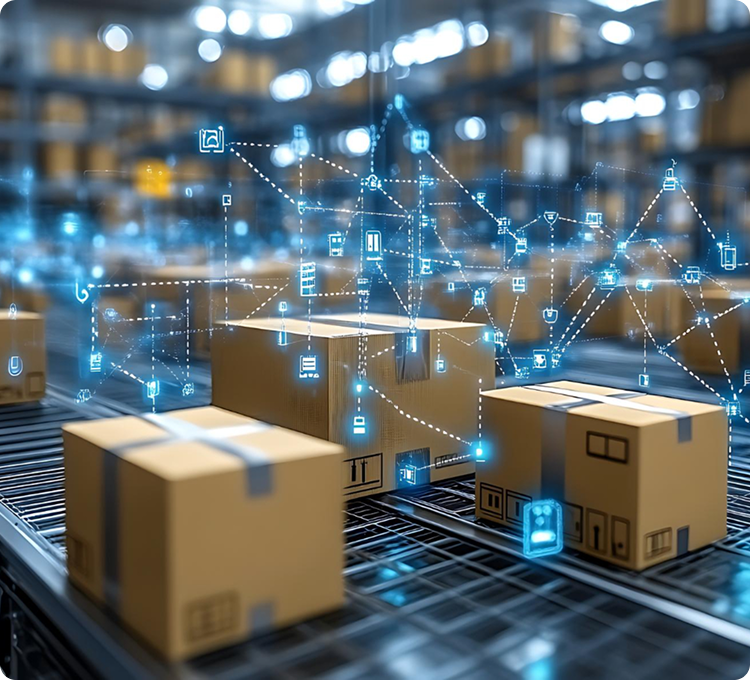
In the ever-evolving landscape of B2B e-commerce, businesses are realizing the pivotal role that procurement plays in driving success and fostering sustainable growth. Procurement has transformed into a strategic powerhouse that wields significant influence on operational efficiency, cost savings, and overall business resilience. Let's delve into the profound impact and power of procurement in the realm of B2B e-commerce.
The Evolution of Procurement
Traditionally, procurement involves a series of manual processes, from identifying suppliers to negotiating contracts and managing the entire supply chain. However, the digital era has ushered in a new age of procurement, leveraging B2B e-commerce platforms to automate and optimize these processes.
Strategic Sourcing for Competitive Edge
At the heart of procurement in B2B e-commerce lies strategic sourcing. It involves identifying and collaborating with the right suppliers to secure the best products or services at optimal costs. This strategic approach not only ensures a reliable supply chain but also positions businesses competitively by offering high-quality products or services with greater efficiency than their counterparts.
Key Benefits of Procurement in B2B E-commerce
Procurement plays a pivotal role in enhancing the efficiency and effectiveness of B2B e-commerce, offering a range of key benefits.
Efficiency and Cost Savings
B2B e-commerce platforms enable organizations to automate the procurement process, reducing the time and resources required for tasks such as supplier discovery, negotiation, and order processing. Automation not only accelerates these processes but also minimizes errors, leading to significant cost savings.
Global Reach and Vendor Diversification
B2B e-commerce transcends geographical boundaries, providing businesses with access to a global marketplace. This facilitates vendor diversification, allowing organizations to discover and engage with suppliers from different regions, thus mitigating risks associated with dependence on a single source.
Real-Time Data and Analytics
The integration of procurement with B2B e-commerce platforms provides businesses with real-time data and analytics. This data-driven approach allows organizations to make informed decisions, optimize their supply chain, and identify areas for improvement, ultimately enhancing overall operational efficiency.
Compliance and Risk Management
Regulatory compliance is a critical aspect of procurement. B2B e-commerce platforms often come equipped with features that help organizations adhere to industry regulations. Additionally, these platforms facilitate better risk management by providing tools to assess and monitor supplier performance and compliance.
Digital Transformation
Integrating procurement with B2B e-commerce is a key component of the broader digital transformation journey for businesses. This integration not only enhances operational efficiency but also positions organizations as forward-thinking and adaptable players in the digital economy.
Global E-commerce Sales Growth
From 2017 to 2023, the global e-commerce landscape experienced a remarkable surge in sales, marking a profound transformation in consumer behavior and retail dynamics. The growth trajectory witnessed an unprecedented rise, from $2.382 trillion to $6.542 trillion US dollars.
The Technologies Powering Predictive Procurement
The future of procurement is predictive, and technology is what makes that shift possible. Modern procurement technology moves organizations beyond reactive, manual workflows toward data-driven decisions that anticipate demand, spending, and supplier risk before they become problems. Within B2B e-commerce, several key innovations are driving this transformation.
E-Procurement Systems:
E-procurement automates vendor sourcing, purchasing, and invoicing end to end. By managing the entire procurement cycle electronically, these systems improve speed, accuracy, and transparency while enabling real-time collaboration between buyers and suppliers.
Cloud Procurement Software:
Cloud procurement takes this further by delivering procurement functionality through the cloud, allowing businesses to digitize and scale their processes without heavy infrastructure. Because it is accessible anywhere and continuously updated, cloud procurement software gives teams broader visibility and flexibility across the supply chain.
Artificial Intelligence (AI):
AI helps procurement teams make faster, smarter decisions around spending, suppliers, and risk. It processes vast volumes of data that were once impossible to analyze manually, surfacing patterns that support genuinely predictive procurement.
Robotic Process Automation (RPA):
RPA uses software bots to handle repetitive, rule-based tasks such as order processing, invoice handling, and vendor onboarding. This frees procurement professionals to focus on strategy while reducing errors and turnaround time.
Internet of Things (IoT):
IoT sensors and connected devices deliver real-time visibility across the supply chain. By continuously monitoring conditions and processes, IoT enables data-driven decision-making and helps organizations respond to disruptions before they escalate.
Together, e-procurement, cloud procurement, AI, RPA, and IoT turn procurement from a back-office function into a predictive, strategic engine. Businesses that adopt these procurement technologies are better positioned to build resilient, efficient supply chains and stay competitive in a fast-moving B2B e-commerce landscape.
A Surge in Global Procurement Software Market Size
Global procurement software refers to specialized technology solutions designed to streamline and optimize the procurement processes of organizations operating on a global scale. As the global procurement software market continues to evolve, businesses that adopt these transformative technologies will be better equipped to navigate the challenges of a dynamic business landscape. The Data Bridge market report shows an expert analysis of the size of the software market.
The Global Procurement Software market is expected to account for USD 14977.19 Million by 2030
In a Nutshell
Procurement is the silent force driving the success of B2B e-commerce. Its influence permeates every aspect of the supply chain, from sourcing and negotiations to resilience and ethical practices. Businesses that harness the power of procurement find themselves not only optimizing costs and operational efficiency but also gaining a competitive edge in a globalized and dynamic marketplace. As B2B e-commerce continues to evolve, the strategic significance of procurement will only grow, shaping the success stories of businesses navigating the complexities of the digital age.
Partner with eINDUSTRIFY for Procurement Excellence
We understand the significance of procurement in B2B e-commerce. By optimizing the supply chain and employing data-driven maintenance strategies in procurement, we help companies achieve operational excellence and supply chain expertise. We are thrilled to launch our B2B e-commerce platform, eINDUSTRIFY, which will provide a hassle-free solution to all your procurement needs.
Tags:
B2B Ecommerce
Strategic Sourcing
Procurement Strategy
Global Procurement
Data Driven Procurement