Procurement Technology: The Digital Procurement Stack Explained
Procurement technology is the stack of software that digitizes buying, from requesting and approving a purchase through sourcing, ordering, and payment. Its core layers are e-procurement and the procure-to-pay (P2P) and source-to-pay (S2P) cycles, now increasingly powered by cloud, AI, RPA, and IoT. Understanding these layers helps procurement teams decide what to automate, what to integrate, and where a B2B marketplace fits.
This guide explains each layer of the modern procurement stack, defines the terms buyers encounter, and shows how a vetted marketplace complements procurement software rather than replacing it.
What is procurement technology?
Procurement technology, also called procurement software, is the category of business software that manages the acquisition of goods and services from suppliers. It replaces paper and email workflows with digital processes, increases spend visibility, and enforces procurement policy.
Most procurement software supports either the procure-to-pay or the source-to-pay cycle. The distinction matters when choosing tools, so the table defines the two.
All of P2P plus upstream sourcing, contracts, supplier management
E-procurement
The digital buying and transaction layer
Spend management
Analytics and control across all spend
P2P covers the transactional buying cycle from request to payment. S2P is broader, adding the strategic sourcing, contracting, and supplier-management steps ahead of the purchase. E-procurement is the digital transaction layer that runs inside both.
The layers of the modern procurement stack
The procurement stack has moved from a back-office system of record to a predictive decision engine. Five technologies drive that shift, and they build on each other.
Layer
What it does
Buyer benefit
E-procurement
Digitizes requisition, PO, and invoice
Speed, accuracy, audit trail
Cloud procurement
Delivers the stack as a scalable service
Access anywhere, no heavy infrastructure
AI and analytics
Surfaces spend patterns and risk
Predictive, data-driven decisions
RPA
Automates repetitive rule-based tasks
Fewer errors, faster cycles
IoT
Adds real-time supply-chain visibility
Early disruption response
E-procurement systems
E-procurement automates vendor sourcing, purchasing, and invoicing end to end. By running the cycle electronically, it improves speed, accuracy, and transparency, and enables real-time collaboration between buyers and suppliers. It is the foundation layer the others build on.
Cloud procurement software
Cloud delivery makes the stack accessible anywhere and continuously updated, without heavy on-premise infrastructure. This gives distributed teams shared visibility and lets procurement scale up or down with demand. Most modern platforms are now cloud-native for this reason.
Artificial intelligence and analytics
AI processes volumes of spend and supplier data that manual analysis cannot, surfacing patterns that make procurement predictive rather than reactive. Its priority is clear: Gartner reports that 72 percent of chief procurement officers name investing in AI a top technology priority through 2030. The practical wins are spend classification, savings identification, and supplier-risk detection.
Robotic process automation (RPA)
RPA uses software bots to handle repetitive, rule-based work such as order processing, invoice matching, and vendor onboarding. This cuts errors and turnaround time and frees procurement staff for strategic work. RPA often bridges older systems that lack modern integrations.
Internet of Things (IoT)
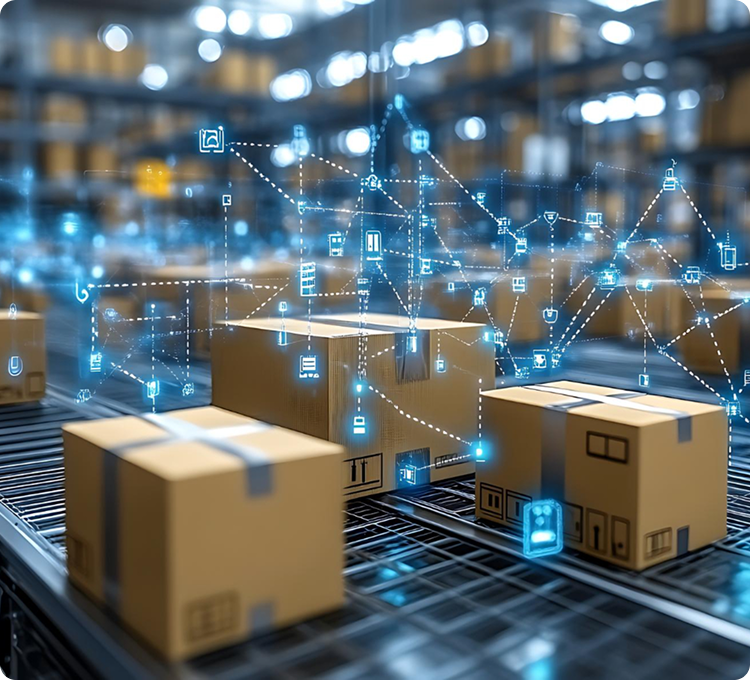
IoT sensors and connected devices give real-time visibility across the supply chain. By monitoring conditions and inventory continuously, they support data-driven decisions and help teams respond to disruptions before they escalate. This layer matters most for physical, inventory-heavy supply chains.
Where a B2B marketplace fits in the stack
Procurement software manages your internal workflow, but it does not by itself solve sourcing: finding, vetting, and comparing suppliers. That is where a B2B marketplace complements the stack rather than competing with it.
A vetted marketplace sits on the sourcing side of source-to-pay, giving one place to discover qualified suppliers, compare specifications, and run RFQs. It feeds clean supplier and catalog data into your P2P system, so the transactional layer runs on vetted inputs. The two work together: the marketplace handles sourcing and diversification, the P2P platform handles the internal buy-to-pay workflow.
Market outlook
Investment in procurement technology continues to climb as organizations digitize. The global procurement software market is projected to reach approximately USD 14,977.19 million by 2030, according to Data Bridge Market Research.
Growth is driven by AI adoption, the shift to cloud, and pressure to build resilient, transparent supply chains. For most teams the practical path is to add embedded AI within a core platform, then augment it with trusted external sourcing.
Frequently asked questions
What is procurement technology?
Procurement technology is software that digitizes the acquisition of goods and services, replacing manual workflows with digital ones. It spans e-procurement, procure-to-pay, and source-to-pay tools, and increasingly uses cloud, AI, RPA, and IoT to make buying faster and more predictive.
What is the difference between procure-to-pay and source-to-pay?
Procure-to-pay (P2P) covers the transactional cycle from requisition and approval through PO, invoice, and payment. Source-to-pay (S2P) is broader, adding upstream strategic sourcing, contracting, and supplier management ahead of the purchase. S2P contains P2P.
What is e-procurement?
E-procurement is the digital layer that automates vendor sourcing, purchasing, and invoicing. It runs the procurement cycle electronically to improve speed, accuracy, and transparency, and it forms the foundation for cloud, AI, and automation layers.
How is AI used in procurement?
AI analyzes large volumes of spend and supplier data to surface patterns humans cannot, enabling predictive decisions on spending, savings, and supplier risk. Gartner reports that 72 percent of chief procurement officers rank AI investment a top priority through 2030.
Does a B2B marketplace replace procurement software?
No. A marketplace handles the sourcing side, finding, vetting, and comparing suppliers, while procurement software manages the internal buy-to-pay workflow. They complement each other: the marketplace supplies vetted supplier and catalog data that flows into the P2P system.
What is RPA in procurement?
Robotic process automation (RPA) uses software bots to handle repetitive, rule-based procurement tasks such as order processing, invoice matching, and vendor onboarding. It reduces errors and turnaround time and often connects legacy systems that lack modern integrations.
Bring vetted sourcing into your procurement stack
eINDUSTRIFY is a premier global B2B marketplace for industrial supplies that complements your procurement technology on the sourcing side. Every seller is vetted, so the supplier qualification and catalog data feeding your procurement workflow starts clean.
Discover and compare vetted suppliers across categories likeElectrical, Industrial Control, Instrumentation, and Filters, serving sectors from Power Generation to Manufacturing. To run structured sourcing,submit an RFQ and our team will match you to qualified suppliers with fast comparison. Explore themarketplace or call 1-888-774-7632 to get started.
Tags: procurement technology e-procurement procure-to-pay source-to-pay AI in procurement procurement software








 vs Automatic Transfer Switch (ATS) for Data Centers.png)