AI Data Center Power Infrastructure: Procurement Guide for 30+ kW Rack Densities
AI racks above 30 kW need a power system planned as one coordinated chain: utility capacity, transformers, switchgear, UPS, backup generation and rack distribution, sized together with cooling. The most reliable procurement approach defines load and redundancy requirements first, specifies each stage to support the next, and schedules long-lead equipment like transformers early.
Getting this right matters more every year. Data centers used about 4.4% of U.S. electricity in 2023, and AI is pushing that share higher.
This guide covers what procurement teams, electrical engineers and EPC organizations need to specify, how to evaluate suppliers, and how to plan for future rack densities.
What Does AI Data Center Power Infrastructure Include?
AI data center power infrastructure represents the complete electrical ecosystem required to deliver reliable energy to high-performance computing environments. Modern AI facilities require coordinated planning across multiple power systems because increased rack density affects the entire facility architecture.
AI Workloads Are Changing Traditional Data Center Power Design
Traditional data centers were designed around predictable server loads and moderate rack densities. AI workloads have introduced a new requirement: delivering much higher power capacity within smaller physical spaces.
GPU-based computing systems generate concentrated electrical demand, making power availability, distribution efficiency, and cooling capacity critical design considerations.
A 30+ kW rack is not simply a higher-powered version of a conventional server cabinet. It changes upstream infrastructure requirements, including transformer capacity, switchgear ratings, UPS sizing, and distribution architecture.
Procurement teams should begin with a complete load assessment instead of selecting equipment first. Rack quantity, expected power consumption, redundancy requirements, voltage configuration, and future expansion plans should define the technical specification before supplier discussions begin.
The Complete Power Architecture From Utility to AI Rack
AI data center power systems operate as an interconnected chain rather than isolated equipment categories. Each component must support the requirements of the next stage in the power path.
The architecture typically moves through:
Utility connection → transformers → medium-voltage switchgear → UPS systems → backup generation → power distribution → rack PDUs → AI computing equipment.
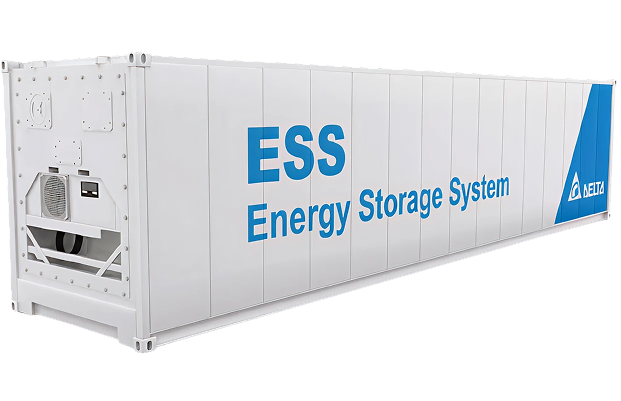
Utility capacity determines the available power foundation. Transformers convert electrical energy into usable facility power. Switchgear provides protection and control. UPS systems maintain continuity, while generators or battery energy storage systems support extended operation.
A weakness in any stage can affect the reliability of the entire AI deployment. This makes system-level procurement essential for high-density computing environments.
Why 30+ kW Rack Density Changes Data Center Planning
Higher rack density has become a defining factor in modern AI infrastructure development. A 30+ kW rack requires organizations to reconsider traditional assumptions around electrical capacity, cooling, and expansion planning.
High-Density AI Infrastructure Requires New Planning Approaches
AI applications require intensive computational performance, creating demand for higher-power GPU clusters and specialized infrastructure.
A rack density above 30 kW often requires additional evaluation of:
Available electrical capacity
Power distribution design
Cooling capability
Backup power strategy
Future expansion requirements
The exact infrastructure approach depends on hardware configuration, facility design, and operational requirements. However, higher rack densities consistently require closer coordination between electrical and mechanical systems.
Data center operators should avoid designing only for current deployment needs. AI infrastructure evolves quickly, and limited expansion capacity can create significant challenges during future upgrades.
Rack Density Has Become a Procurement Decision
AI infrastructure procurement is no longer focused only on equipment ratings. The selection process must consider how every component performs as part of the overall facility system.
A common procurement mistake involves purchasing available equipment before defining the complete technical requirement. This approach can create compatibility issues, delays, and costly modifications.
A stronger procurement process begins with:
Defining the expected AI workload
Establishing electrical requirements
Creating detailed equipment specifications
Evaluating qualified suppliers
Reviewing documentation and testing requirements
This approach helps organizations select equipment based on long-term infrastructure goals rather than short-term availability.
Core Electrical Requirements from Utility to Rack
AI data centers need electrical infrastructure that can deliver concentrated power to computing loads while maintaining reliability and expansion capacity. Research from Texas A&M University and Harvard University notes thatAI computing racks can reach 30 to 100+ kW per rack, compared with 7 to 10 kW for traditional server racks.
A 30+ kW rack can affect the complete power path, including transformers, switchgear, UPS systems, distribution equipment, and rack-level power delivery.
Transformers and Medium Voltage Equipment
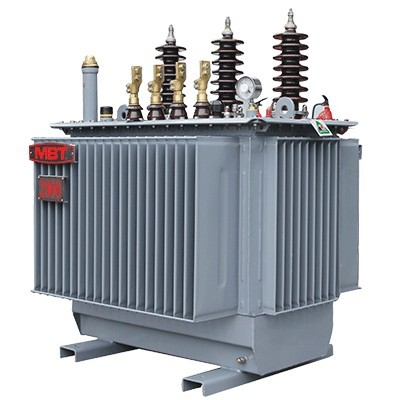
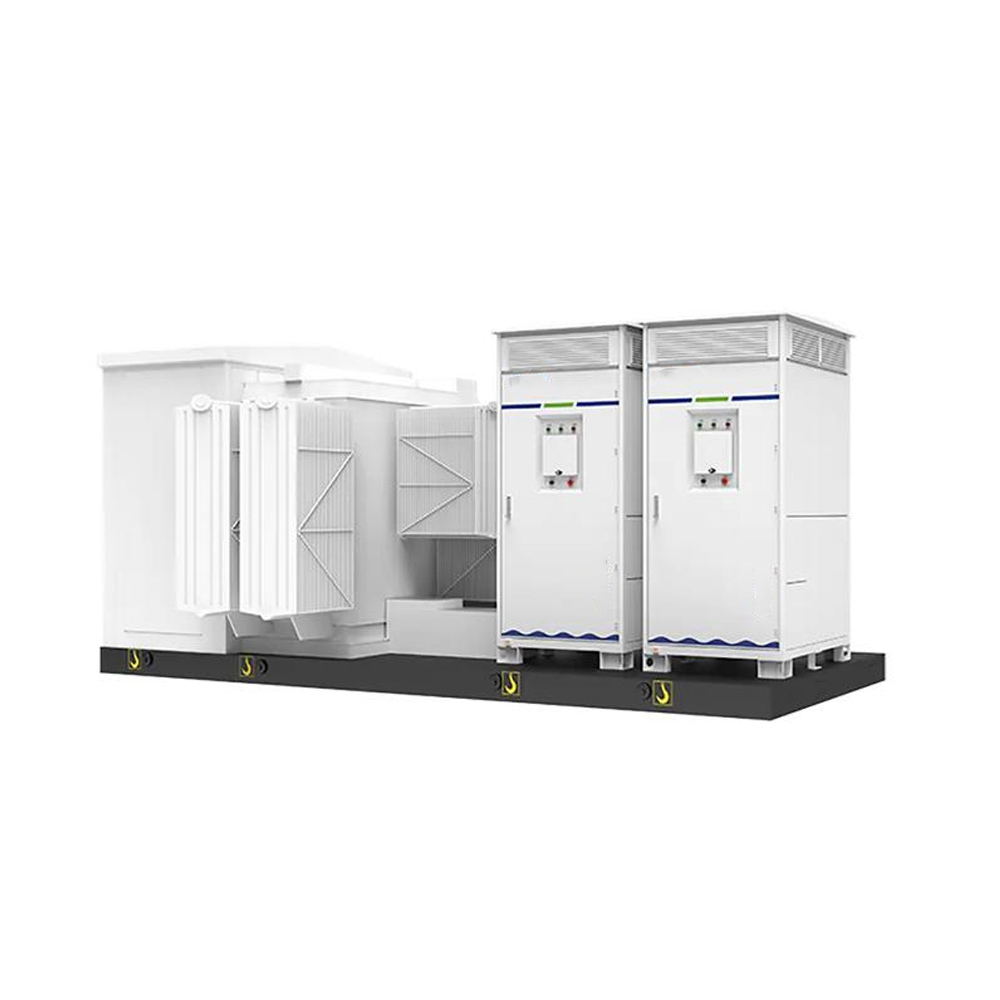
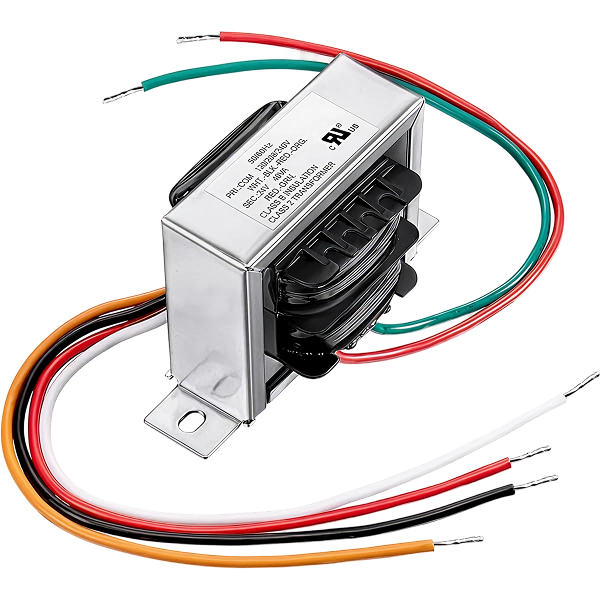
Transformers convert incoming power to the voltage required by downstream systems. Specifications should cover capacity, voltage, impedance, efficiency, cooling method, applicable standards, redundancy, and future expansion.
Medium voltage equipment must also match the facility's electrical architecture. Lead time should be part of procurement planning because transformers and MV equipment can become schedule-critical.
Switchgear and Power Distribution
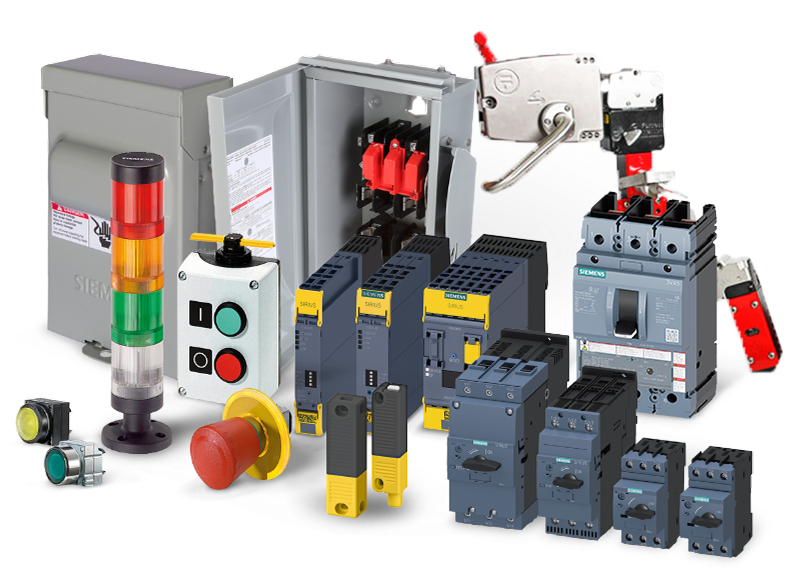
Switchgear controls, protects, and distributes power throughout the facility. AI deployments may require higher-capacity switchgear, switchboards, circuit breakers, busway, remote power panels, and monitoring systems.
Specifications should confirm electrical ratings, protection requirements, short-circuit capacity, configuration, and compatibility with connected equipment.
UPS and Backup Power Systems
UPS systems protect critical IT loads during power disturbances and bridge the gap while backup generation starts. Specifications should define capacity, load profile, redundancy configuration, battery technology, runtime, bypass arrangement, monitoring, and generator integration. Modular UPS designs add flexibility as AI workloads grow.
Generators, BESS, and transfer equipment should be evaluated as one critical power strategy. Generator selection should consider power rating, fuel type, load acceptance, synchronization capability, emissions requirements, and lifecycle support.
Rack Level Power Distribution
Busway, remote power panels, rack PDUs, branch circuits, and A/B feeds deliver power to AI equipment. Specifications should define rack load, voltage, phase, connectors, redundancy, monitoring, and future capacity.
AI loads can shift demand rapidly. The sameresearch review reports that large GPU clusters can produce power fluctuations of hundreds of megawatts within seconds, so real-time monitoring, protection, and power quality planning matter at every level. A high-capacity rack PDU cannot compensate for an undersized upstream system. Transformers, switchgear, UPS systems, and distribution equipment must work as one coordinated power chain.
How Cooling Shapes High-Density Power Planning
AI power infrastructure cannot be planned separately from cooling. Higher electrical consumption creates greater thermal output, making cooling capacity a key procurement consideration.
Liquid Cooling and Future Readiness
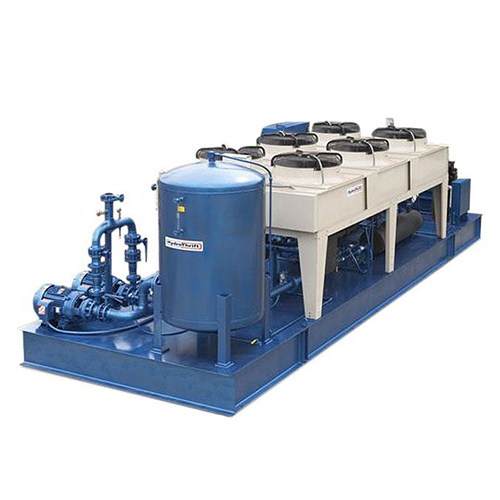
Advanced AI workloads may require liquid cooling solutions such as direct-to-chip cooling and cooling distribution units (CDUs). The required approach depends on rack density, hardware configuration, and facility design.
Future-ready facilities should maintain flexibility to adopt new cooling technologies as AI hardware requirements evolve.
How to Structure the Equipment Procurement Process
A successful procurement process starts with clear specifications rather than equipment availability. Detailed requirements help organizations evaluate suppliers, compare solutions, and reduce project risks.
RFQ Requirements and Supplier Qualification
An AI power infrastructure RFQ should define equipment ratings, technical requirements, testing standards, documentation, delivery timelines, warranty terms, and service expectations.
Supplier evaluation should include OEM capability, previous project experience, factory testing procedures, and long-term support availability.
Designing for Tomorrow's Rack Densities
AI infrastructure continues to evolve rapidly, making scalability an important procurement consideration.
Organizations should evaluate expandable power capacity, modular systems, future rack densities, and adaptable electrical architectures. The goal is not only meeting current AI requirements but creating infrastructure that can support future technology changes.
Procurement Checklist for 30+ kW Deployments
A procurement review should evaluate:
Category
Key Consideration
Load Planning
Current and future rack requirements
Transformers
Capacity, efficiency, delivery timeline
Switchgear
Protection and scalability
UPS
Capacity and redundancy
Backup Power
Generator/BESS strategy
Distribution
Rack PDU and busway compatibility
Cooling
Future thermal requirements
Suppliers
Documentation and support
Frequently Asked Questions
What changes when AI racks exceed 30 kW?
Higher rack densities require upgrades in electrical distribution, cooling capacity, and backup power planning to support increased loads.
What equipment supports AI data center power requirements?
Key equipment includes transformers, switchgear, UPS systems, generators, BESS solutions, busway systems, and rack PDUs.
Is liquid cooling required for AI data centers?
Liquid cooling depends on rack density and hardware requirements. Higher-density AI deployments are more likely to require advanced cooling solutions.
How should AI power equipment be procured?
Organizations should define technical requirements first, qualify suppliers, verify documentation, and evaluate lifecycle support before purchasing.
Why is future scalability important in AI infrastructure?
AI workloads continue to increase in power demand. Flexible infrastructure helps organizations expand without major redesigns.
Build a Scalable Power Foundation for AI Infrastructure
AI data center success depends on more than computing capacity. Reliable deployment requires coordinated electrical systems, backup power, distribution, cooling, and future expansion.
eINDUSTRIFY supports organizations in sourcingdata center backup power equipment and critical power infrastructure for high density computing environments. Explore solutions for UPS systems, backup generation, transfer equipment, power distribution, and related electrical infrastructure.
A structured procurement strategy helps data center developers, EPC teams, and infrastructure operators select equipment that aligns with technical requirements, project timelines, and long-term operational goals.
Tags: AI Data Center Power Infrastructure High-Density Rack Power Data Center Electrical Infrastructure Critical Power Equipment Procurement Data Center Backup Power Systems












 vs Automatic Transfer Switch (ATS) for Data Centers.png)