Rotary Screw Compressor Maintenance: Filter, Oil, and Air-End Overhaul Intervals
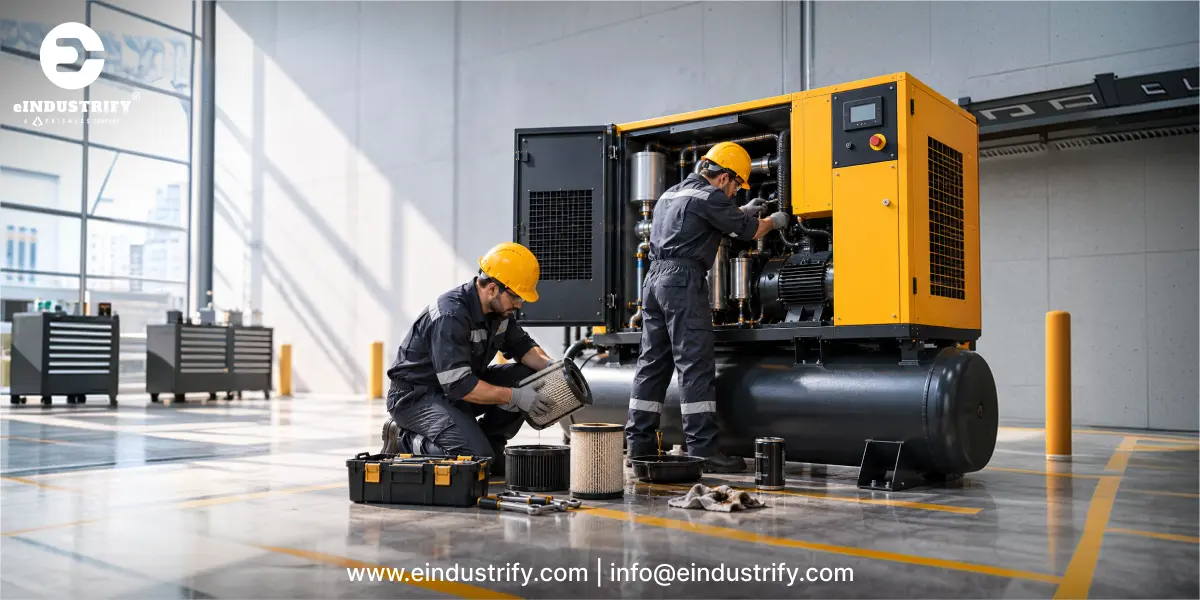
Rotary screw compressor maintenance is the scheduled replacement of the air filter, oil filter, air/oil separator, and compressor oil, plus a periodic air-end overhaul, to keep the compressor efficient, reliable, and safe.
As a general guide, air intake filters and oil filters are replaced about every 2,000 operating hours, air/oil separators every 4,000 to 8,000 hours, and compressor oil every 1,000 to 2,000 hours for mineral oil or 4,000 to 8,000 hours for synthetic oil. The air-end is typically rebuilt at around 40,000 to 60,000 hours.
Exact intervals depend on the OEM manual, lubricant type, operating temperature, duty cycle, and site conditions. Service at whichever comes first, the hour interval or twelve months, and let differential pressure and oil analysis override the calendar. This guide explains each service item, the warning signs that call for earlier service, what neglect costs in energy, and how to build a practical maintenance schedule and service-kit plan.
What Is a Rotary Screw Compressor and How Does It Work?
A rotary screw compressor is a positive displacement air compressor that uses two meshing helical rotors, a male and a female rotor, to trap and compress air. As the rotors turn inside the air-end housing, the space between their lobes shrinks, squeezing air from the inlet toward the discharge port.
Most industrial units are oil-flooded (oil-injected) designs. Oil is injected into the compression chamber to seal the rotor clearances, lubricate the bearings, and absorb the heat of compression. The oil and air mixture then passes to a separator tank, where the air/oil separator element removes oil before the air moves to the aftercooler, dryer, and distribution piping. Oil-free rotary screw compressors avoid oil in the compression chamber and use timing gears and coated rotors instead, serving food, pharmaceutical, and electronics applications. The intervals in this guide apply to oil-flooded machines; see the oil-free note below.
Why Rotary Screw Compressor Maintenance Matters
Compressed air is one of the most expensive utilities in a plant. According to the Bonneville Power Administration, only 10 to 20 percent of the electric energy input reaches the point of end use, and as much as 80 to 93 percent of the electric energy an industrial compressor draws is wasted as heat. Clogged filters, degraded oil, and a worn air-end make those losses worse by raising pressure drop, discharge temperature, and power draw.
Preventive maintenance protects three things at once:
Energy efficiency: clean filters and separators keep pressure drop low, so the motor does less work for the same airflow.
Equipment life: healthy oil protects rotor bearings and seals, delaying an expensive air-end rebuild.
Air quality and uptime: a good separator limits oil carryover downstream, and planned service prevents high-temperature shutdowns and unplanned outages.
What a Clogged Element Costs
For systems around 100 psig, a widely used rule of thumb is that every 2 psi of added discharge pressure raises energy use by about 1 percent at full load, as stated in Bonneville Power Administration and Natural Resources Canada guidance. A clogged separator or filter makes the air-end work at a higher pressure to deliver the same pressure at the package outlet, so the same rule gives a quick estimate. The example below is illustrative; substitute your own power, hours, and electricity price.
Assumptions: roughly 75 kW input, 6,000 operating hours per year, $0.10/kWh, or about $45,000 per year in electricity.
Extra pressure drop across clogged elements
Added energy
Added cost per year
4 psi
about 2%
about $900
8 psi
about 4%
about $1,800
14 psi
about 7%
about $3,150
Compare those figures with the price of the element and the labor to change it. Oil carryover, higher discharge temperature, and shortened oil life come on top.
A rotary screw compressor has three main filtration points: the air intake filter, the oil filter, and the air/oil separator. Each protects a different part of the machine, and each has its own replacement interval.
Air Intake Filter: Every 2,000 Hours or by Pressure Drop
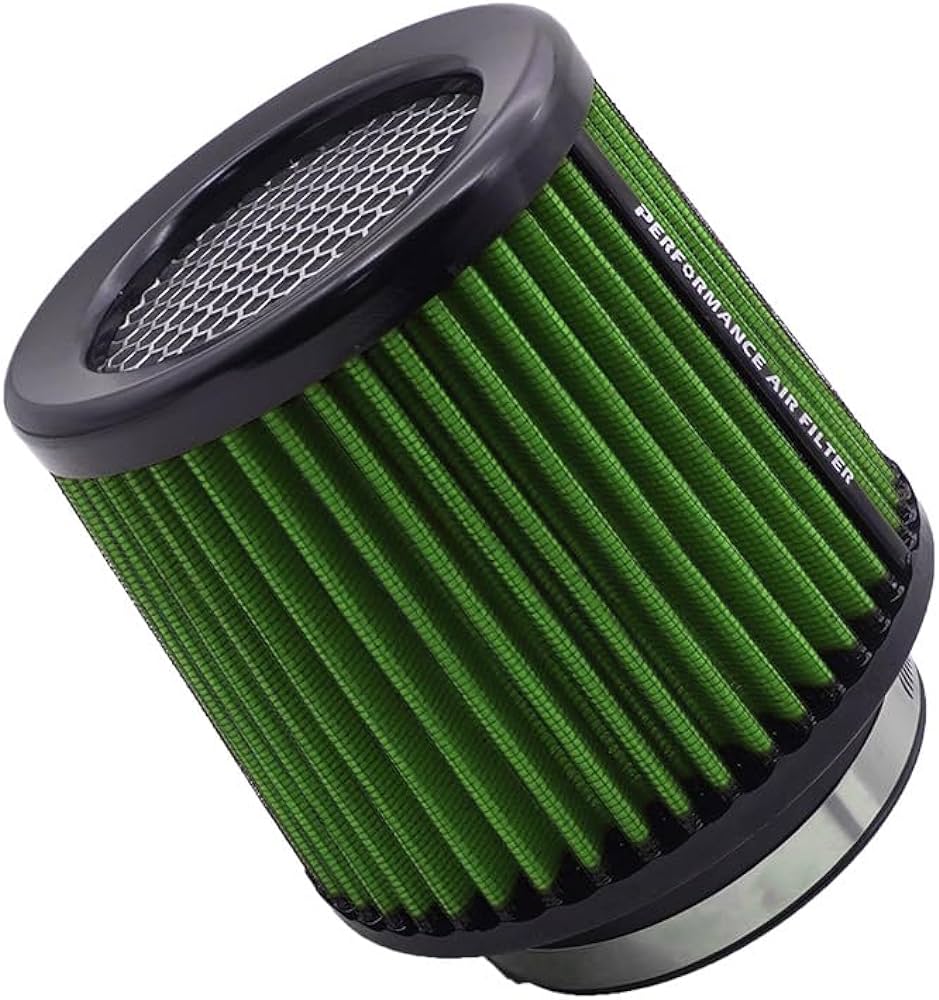
The air intake filter stops dust, pollen, and airborne debris from entering the air-end, where particles act like an abrasive on rotors and bearings and contaminate the oil. Many manufacturers recommend inspecting it weekly and replacing it around every 2,000 hours, or sooner when the restriction indicator or differential pressure gauge shows it is loaded. Atlas Copco advises replacing air inlet filters at least every 2,000 hours, while some maintenance references cite 1,000 to 2,000 hours. In dusty sites such as cement plants, foundries, woodworking shops, and mining operations, intake filters may need changing far more often, and a pre-filter can extend their life.
Oil Filter: First Change Early, Then About Every 2,000 Hours
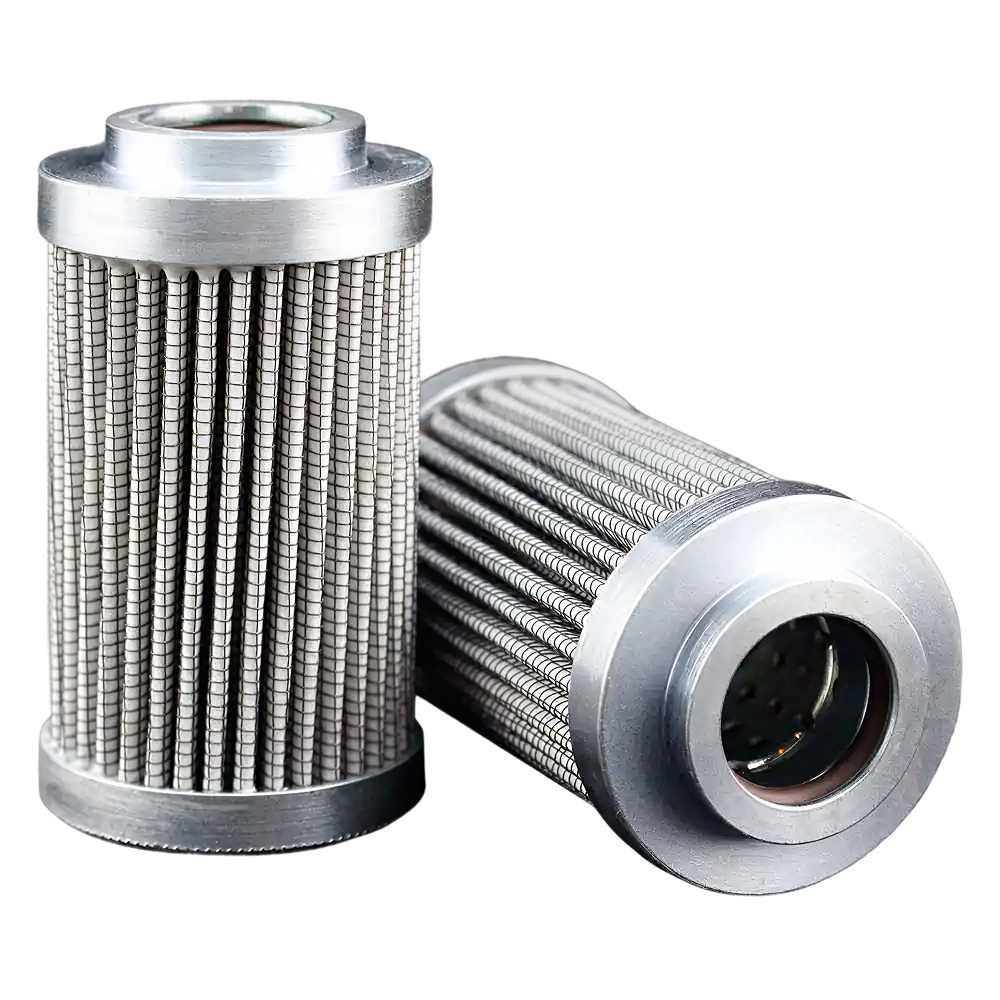
The oil filter removes wear metals, dirt, and oxidation by-products from the oil before it returns to the bearings and rotors. A new or freshly rebuilt compressor often gets an early first oil filter change, commonly near 500 hours, to capture break-in debris. After that, most oil filters are replaced about every 2,000 hours and always at every oil change. Some OEM guidance is tighter: Atlas Copco points to about 1,000 hours. A rising filter differential pressure, or an open bypass valve, means the filter is overdue.
Air/Oil Separator Element: Every 4,000 to 8,000 Hours
The air/oil separator element captures fine oil mist from the compressed air before it leaves the separator tank. Parts suppliers commonly cite replacement around every 4,000 hours, with longer-life elements rated up to 8,000 hours, but the most reliable trigger is pressure drop across the element. OEM change-out points vary by element: some are specified near 7 to 8 psi differential pressure, while others are rated for replacement at about 14.5 psi. Use the figure in your manual, not a generic number. Signs of a failing separator include excessive oil carryover into the air lines, rising oil consumption, oil in condensate drains, and higher energy use.
Don't Forget Secondary Filters
Panel filters on cooling air intakes, enclosure filters, and line filters downstream of the dryer also load up over time. Dirty cooler panels in particular restrict airflow over the oil and air coolers, raising operating temperature and shortening oil life.
Rotary Screw Compressor Oil Change Intervals
Compressor oil does three jobs in an oil-flooded screw compressor: it seals, lubricates, and cools. When oil oxidizes or becomes contaminated, it loses all three abilities at once. Oil condition and discharge temperature are the two variables that most influence air-end life, which is why oil management deserves as much attention as the filters.
How Often Should You Change Rotary Screw Compressor Oil?
Oil change intervals depend mainly on the lubricant type:
Mineral (petroleum-based) oil: typically every 1,000 to 2,000 hours.
Some references allow 2,000 to 4,000 hours under mild conditions, but use the shorter range unless oil analysis supports more.
Semi-synthetic blends: often up to about 4,000 hours, according to Repsol.
Synthetic oils (PAO or polyglycol-based): commonly 4,000 to 8,000 hours.ExxonMobil notes synthetics can reach up to 8,000 hours versus roughly 1,000 hours typically recommended for mineral oils, and one supplier lists OEM-grade oils with runtimes from 2,000 to 12,000 hours depending on base stock.
In practice, many sites change oil at least once a year regardless of hours, because oil also ages with time, moisture, and heat. Always use a lubricant approved for your compressor model, commonly an ISO VG 46 or 68 compressor-specific oil, since mixing incompatible oils can cause foaming, varnish, or sludge.
What Shortens Compressor Oil Life?
High discharge temperature: under the Arrhenius rate rule, each 10°C (18°F) above the oil's operating temperature roughly halves its life. Oil-flooded machines commonly run in a 75 to 100°C band, so check your manual.
Moisture: humid intake air or a compressor running too cool can let water condense in the oil, causing emulsification and rust.
Contamination: dust from a loaded intake filter, or chemical vapors in the intake air, accelerate degradation.
Short-cycling and light loads: units that rarely reach full operating temperature are more prone to water buildup.
Use Oil Analysis to Set the Right Interval
Routine oil analysis turns fixed intervals into condition-based maintenance. Sampling every 1,000 to 2,000 hours lets a lab track viscosity, total acid number (TAN), water content, oxidation, and wear metals such as iron and copper. Set alert limits with your lubricant supplier's analysis program. Rising wear metals can warn of bearing distress long before noise or vibration appears, giving you time to plan an air-end overhaul instead of reacting to a failure.
Air-End Overhaul Intervals for Rotary Screw Compressors
The air-end is the heart of a rotary screw compressor: the housing, the male and female rotors, the bearings, and the shaft seal. It is also the most expensive component to repair or replace, so planning its overhaul is central to total cost of ownership.
When Should a Rotary Screw Air-End Be Overhauled?
Many air-ends are rebuilt or replaced at roughly 40,000 to 60,000 operating hours, which is about five to seven years for a compressor running around the clock. Atlas Copco notes that manufacturers suggest overhauls at 50,000 to 60,000 hours, and Quincy says an air-end can generally last at least 40,000 hours when properly maintained. Well-maintained units on clean synthetic oil may run longer, while compressors in hot, dusty, or humid environments may need attention sooner. Rather than relying only on hours, most reliability teams combine run time with vibration trends, oil analysis, and performance data.
What an Air-End Overhaul Includes
A typical rebuild involves:
Disassembling the air-end and cleaning all components.
Inspecting rotor profiles, housing bores, and clearances for scoring or wear.
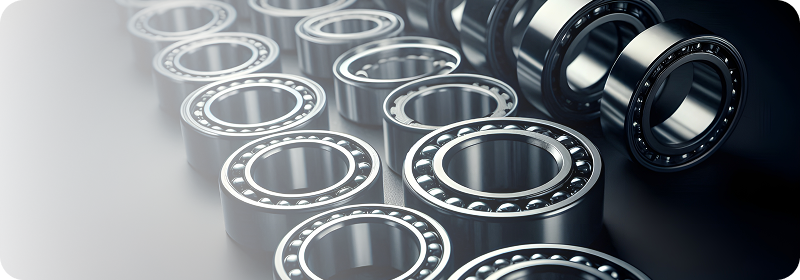
Replacing all bearings, shaft seals, O-rings, and gaskets.
Re-setting rotor end clearances to the OEM specification.
Reassembling, testing, and documenting the rebuild for warranty and future reference.
Bearing and seal replacement alone can restore most air-ends if done before rotor damage occurs. Once rotors contact the housing, repair costs climb sharply and a replacement or exchange air-end often becomes the better option.
Warning Signs of Air-End Wear
Rising vibration or new noise, such as grinding, rumbling, or a high-pitched whine from failing bearings.
Higher discharge temperature at normal load and ambient conditions.
Reduced airflow (CFM) or pressure at the same motor power, meaning higher specific power (more kW per 100 CFM).
Increased amperage draw on the drive motor.
Oil leaks at the shaft seal or elevated wear metals in oil analysis.
Rebuild, Exchange, or Replace the Compressor?
An overhaul usually makes sense when the package, motor, and controls are in good condition. If the compressor is older, oversized for current demand, or lacks variable speed drive (VSD) capability, the overhaul point is a good moment to compare repair costs against a newer, more efficient unit. Our guide on how to choose the right industrial air compressor for your facility walks through that comparison.
Option
What it involves
Best when
Rebuild
Air-end disassembled, bearings, seals, and O-rings replaced, clearances reset, tested
Rotors and housing are undamaged and you can schedule the downtime
Exchange air-end
Remanufactured air-end swapped in
You need a fast turnaround, or the rotors are damaged
New air-end
New OEM unit
Rotor or housing damage, or the old design is obsolete
Replace the compressor
New package, ideally right-sized or VSD
The package is old or oversized and repair approaches about half the cost of new
One service provider puts a rebuild at about half the price of a new air-end, adding another 30,000 to 50,000 hours, and cites a 50 percent rule for rebuild-versus-replace decisions. Treat that as a screening rule, then compare life cycle cost including energy.
Oil-Free, VSD, and Special Cases
Oil-free machines have no injected oil, separator, or compression-chamber oil to change, but they still need intake filters, clean coolers, and gear or bearing lubrication per the OEM. One service provider cites roughly 70,000 hours of life for oil-free units versus 100,000 hours or more for oil-flooded. On VSD compressors, count running hours as usual, and also clean or replace the electrical cabinet filters and fans per the OEM, because drive electronics are sensitive to heat.
Safety Before You Service
Stop the compressor, isolate power, and follow your lockout/tagout procedure (in the US, OSHA 29 CFR 1910.147).
Depressurize the separator tank and confirm zero pressure on the gauge before opening any line or element.
Let hot oil and hot surfaces cool before draining or removing parts.
Follow OEM torque specifications, and fit the gaskets and any grounding hardware supplied with the element.
Dispose of used oil and filters according to local regulations.
Rotary Screw Compressor Maintenance Schedule at a Glance
The table below summarizes commonly cited service intervals for oil-flooded rotary screw compressors. Treat it as a starting point and adjust to your OEM manual and operating conditions.
Task
Typical interval
Trigger for earlier service
Check oil level, temperatures, and alarms
Daily
Any abnormal reading
Drain condensate and check drains
Daily to weekly
Water in oil or air lines
Inspect intake and cooler panel filters
Weekly
Dusty or dirty environment
Replace air intake filter
~2,000 hours
Restriction indicator tripped
Replace oil filter
First at ~500 hours, then ~1,000 to 2,000 hours (per OEM)
High filter differential pressure
Change mineral oil
1,000 to 2,000 hours
Oil analysis or high temperature
Change semi-synthetic oil
Up to ~4,000 hours
Oil analysis results
Change synthetic oil
4,000 to 8,000 hours
Oil analysis results
Replace air/oil separator
4,000 to 8,000 hours
Separator ΔP at the OEM limit (about 7 to 15 psi depending on element)
Clean oil and air coolers
Quarterly to annually
Rising discharge temperature at constant ambient
Inspect thermostatic, minimum pressure, and intake valves
Per OEM, at major service
Temperature swings or unstable pressure
Inspect belts, couplings, and hoses
2,000 to 4,000 hours
Visible wear or slippage
Grease motor bearings
Per motor manufacturer
Noise or heat at bearings
Air-end bearing and seal overhaul
~40,000 to 60,000 hours
Vibration, wear metals, heat
Plan Your Service Kits by Interval
Stocking parts by service point avoids waiting on a part while the compressor is down.
Service point
Parts to have on hand
~2,000 hours
Air intake filter, oil filter, cooler and cabinet panel filters
~4,000 hours
The 2,000-hour parts plus air/oil separator and semi-synthetic or synthetic oil (mineral oil changes fall every 1,000 to 2,000 hours)
~8,000 hours
Separator, synthetic oil, oil filter, air filter, belt or coupling elements, hoses as needed
~40,000 to 60,000 hours
Air-end overhaul kit: bearings, shaft seals, O-rings, gaskets, plus oil and filters
When you request a quote, give your supplier the compressor make, model, and serial number, running and loaded hours, the OEM part number or cross-reference, the oil type and ISO VG grade, element dimensions and pressure rating, and whether you want genuine or OEM-equivalent parts. eINDUSTRIFY vets its sellers and offers Procurement-as-a-Service for hard-to-find or long-lead parts, so you can source by part number and request a quote when an OEM element is delayed.
Best Practices to Extend Compressor Life
Log Hours and Trends, Not Just Dates
Record running hours, loaded hours, discharge temperature, pressure, and amperage on a regular schedule. Small changes in these numbers are often the earliest sign of a clogged filter, failing separator, or worn bearing.
Control Temperature and Ventilation
Keep the compressor room cool and well ventilated, and clean oil and air coolers regularly. Lower operating temperatures extend oil life and protect the air-end. Avoid recirculating hot exhaust air back into the compressor intake.
Fix Leaks and Right-Size System Pressure
Maintenance doesn't end at the compressor package. According to the U.S. Department of Energy'sImproving Compressed Air System Performance sourcebook, leaks can waste as much as 20 to 30 percent of a compressor's output in a poorly maintained plant, and leak detection and repair can bring losses below 10 percent. Leaks also force the compressor to load and unload more often, adding wear to the air-end and inlet valve. Running at the lowest pressure that still meets demand further reduces energy use and stress, and a properly designed system should lose less than 10 percent of discharge pressure between compressor and point of use, per the Bonneville Power Administration.
Use Genuine or Equivalent-Quality Parts
Filters, separators, and lubricants that match OEM specifications protect performance and warranty. Low-quality elements may have higher pressure drop or poor sealing that lets contamination bypass the media. If you are still comparing compressor types for a new line or upgrade, this overview of industrial air compressors explained covers rotary screw, reciprocating, scroll, and centrifugal designs.
Frequently Asked Questions
How often should a rotary screw compressor be serviced?
Most rotary screw compressors need a basic service, including oil filter and air filter replacement, about every 2,000 operating hours, with daily and weekly checks in between. Larger services that include the separator and synthetic oil typically occur every 4,000 to 8,000 hours. Always follow the OEM manual for your model.
How often should rotary screw compressor oil be changed?
Mineral oil typically needs changing every 1,000 to 2,000 hours, semi-synthetic oil up to about 4,000 hours, and synthetic oil every 4,000 to 8,000 hours. ExxonMobil notes synthetics can reach up to 8,000 hours. Change oil at least yearly unless oil analysis supports a longer interval.
How long does a rotary screw compressor last?
A well-maintained rotary screw compressor often runs 60,000 to 100,000 hours or more over its life, with one or more air-end overhauls along the way, according to Rasmussen Mechanical Services. Oil quality, operating temperature, and filter maintenance have the biggest influence on lifespan.
What happens if you don't change the air/oil separator?
A clogged separator increases pressure drop, forcing the motor to work harder and raising energy cost. If the element fails, oil carries over into the air system, contaminating dryers, filters, tools, and products, and oil consumption rises quickly.
Can you use any oil in a rotary screw compressor?
No. Use a lubricant specifically formulated for rotary screw compressors and approved for your model. Automotive or hydraulic oils can foam, form varnish, or break down at compressor operating temperatures, damaging bearings and rotors.
What causes a rotary screw compressor to overheat?
Common causes include low oil level, degraded oil, dirty oil or air coolers, a clogged oil filter, a faulty thermostatic valve, high ambient temperature, and poor room ventilation.
Should I rebuild or replace a rotary screw air-end?
Rebuild when the rotors and housing are undamaged and the package is otherwise sound. One service provider puts a rebuild at about half the price of a new air-end and cites a 50 percent rule for the decision. Once rotors contact the housing, compare an exchange unit or a new compressor.
Key Takeaways
Rotary screw compressor maintenance comes down to four service items and one long-term plan: air filters and oil filters around every 2,000 hours, separators every 4,000 to 8,000 hours, oil changes matched to the lubricant type, and an air-end overhaul at roughly 40,000 to 60,000 hours. Pressure drop readings, oil analysis, and temperature trends tell you when to act sooner. Inadequate maintenance raises energy use through lower compression efficiency, leaks, and higher operating temperatures, according to the Bonneville Power Administration, so treat these intervals as a schedule, not a suggestion.
Keep Your Compressed Air System Running Before It Fails
A rotary screw compressor protects production only when its filters, oil, and air-end stay within service limits. Planned maintenance keeps energy costs down, prevents high-temperature shutdowns, and stretches the time between expensive rebuilds. In every case, success depends on accurate hour tracking, quality replacement parts, regular oil analysis, and an early plan for the air-end overhaul.
eINDUSTRIFY supports manufacturers and industrial facilities with rotary screw compressors, filters, separators, lubricants, and maintenance parts from vetted suppliers. If you are planning a service cycle, an air-end rebuild, or a compressor upgrade, request a quote or talk to our industrial equipment expert today at +1 (888) 774 7632.














 vs Automatic Transfer Switch (ATS) for Data Centers.png)