Industrial HVAC and Refrigeration: Equipment, Standards, and Selection
Industrial HVAC and refrigeration equipment controls temperature, humidity, and air quality for process operations, not human comfort alone. It spans plant ventilation, data-center critical cooling, process chillers, heat exchangers, and cold-chain refrigeration. The governing standards are ASHRAE 90.1 for energy, ASHRAE 15 for refrigeration safety, and AHRI for equipment performance, with a major refrigerant transition now underway from R-410A to low-GWP alternatives.
This guide covers industrial HVAC and refrigeration equipment classes, the standards that govern them, and how to select systems for process and facility cooling. It is written for plant, facilities, and procurement teams, not residential buyers.
What is industrial HVAC and refrigeration?
Industrial HVAC and refrigeration is the equipment that maintains process temperature, humidity, and air quality in plants, data centers, and cold-chain facilities. It differs from residential HVAC in scale, duty cycle, and purpose: industrial systems run continuously and protect processes, equipment, and product rather than occupant comfort.
The field is divided into three functions. Heating covers process and space heating through unit heaters, industrial heaters, and heat exchangers. Cooling covers air conditioning, process chillers, and equipment cooling fans. Refrigeration covers temperature-controlled storage for food, pharmaceutical, and process applications. Each is governed by ASHRAE and AHRI standards rather than residential efficiency labels alone.
The main classes of industrial HVAC and refrigeration equipment
Industrial HVAC and refrigeration equipment divides into heating, cooling, and refrigeration classes, each mapping to specific equipment. The table connects the function to the equipment type, and each is detailed below.
Function
Equipment
Industrial application
Heating
Unit heaters, industrial heaters, heat exchangers
Plant and process heating
Cooling
Air conditioners, process chillers, cooling fans
Space and equipment cooling
Equipment cooling
DC cooling fans, PT shaft cooling fans
Turbine and machinery cooling
Refrigeration
Chillers, cold storage, cold-chain units
Product and process refrigeration
Industrial heating equipment
Industrial heating equipment delivers process and space heat through unit heaters, industrial heaters, and heat exchangers rather than residential furnaces. Unit heaters provide localized space heating in plants and warehouses, while industrial heaters handle process heat loads. Heat exchangers transfer heat between fluid streams for process heating, cooling, and heat recovery.
Heat exchanger selection turns on the type (plate, shell-and-tube), the duty, and the fluids, since fouling, pressure drop, and material compatibility govern service life. Source these through the live Heating Equipment range, including Unit Heaters,Industrial Heaters, Space Heaters, and Heat Exchangers.
Industrial cooling and air conditioning
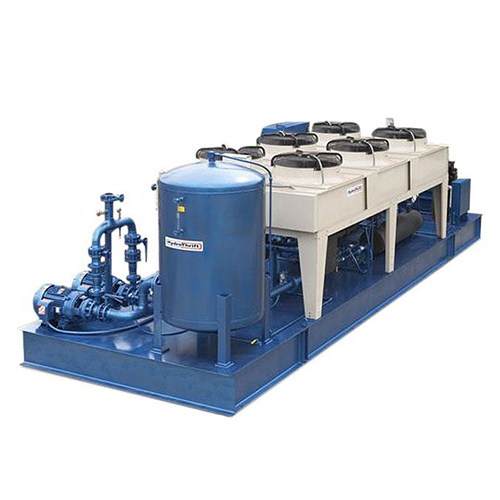
Industrial cooling equipment removes heat from spaces, processes, and machinery, ranging from air conditioners to process chillers and equipment cooling fans. Industrial air conditioning maintains controlled environments for equipment rooms, control rooms, and process areas where temperature stability protects operations. Process chillers remove heat from a process fluid loop, essential in manufacturing, plastics, and data centers. On the electrical side, our guide to HVAC contactors and load management covers the switching components these systems depend on..
Equipment cooling fans protect rotating and electronic machinery from overheating. DC cooling fans and PT shaft cooling fans cool turbine, generator, and drive components in power generation, tying industrial cooling directly to the plant. Source these through the live Cooling Equipment range, including Air Conditioners, DC Cooling Fans, PT Shaft Cooling Fan, and Replacement Cooling Media.
Data-center and critical cooling
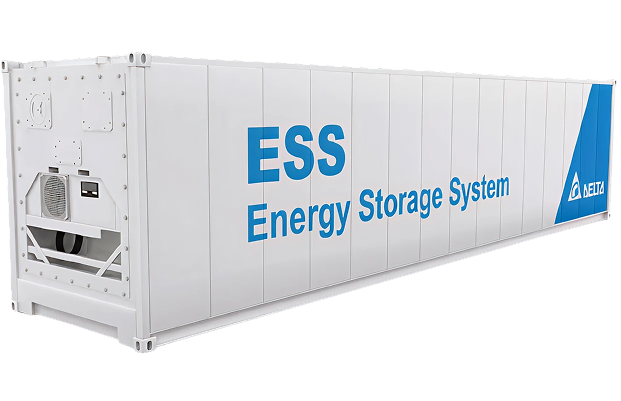
Data-center cooling is a distinct industrial discipline where cooling protects continuous IT operation and any failure risks downtime. It relies on precision air conditioning (CRAC and CRAH units), chilled-water systems, and increasingly liquid cooling for high-density racks. Large data-center chillers commonly use centrifugal compressors suited to low-pressure refrigerants such as R-1234yf.
Reliability and efficiency drive the design, since cooling can consume a large share of a data center's total energy. Redundancy (N+1 or 2N) ensures cooling continuity during maintenance or failure, the same discipline applied to critical power. These systems serve the Data Centers sector, alongside the power and enclosure equipment that supports it.
Industrial and cold-chain refrigeration
Industrial refrigeration maintains precise low temperatures for food, pharmaceutical, and process applications where product integrity depends on the cold chain. Pharmaceutical refrigeration stores vaccines and medications at controlled temperatures, often with continuous monitoring and alarm systems, since an excursion can spoil an entire batch. Cold-chain integrity is a documented, auditable requirement in regulated industries.
Industrial refrigeration systems are governed by ISO 5149 and ASHRAE 15 for safety, covering refrigerant charge limits, machinery-room ventilation, and leak detection. Ammonia (R-717) remains common in large industrial refrigeration for its efficiency, while fluorinated refrigerants serve smaller and medium systems. Selection depends on capacity, temperature, and the safety classification of the refrigerant.
The refrigerant transition: R-410A to low-GWP alternatives
Industrial and commercial HVAC is transitioning from R-410A to lower global-warming-potential (GWP) refrigerants under EPA and international phase-downs. R-410A, long the standard, has a high GWP and is being replaced by A2L refrigerants classified underASHRAE Standard 34. The table compares the main replacements.
Refrigerant
GWP
Best application
R-410A (legacy)
~2,088
Being phased out
R-32
675
Smaller split systems
R-454B
466
Commercial rooftop, large split
R-1234yf
<1
Large centrifugal chillers
R-454B is the reference replacement for R-410A in commercial-scale rooftop and large-split equipment, because its operating pressures closely match R-410A. R-32 suits smaller systems, and R-1234yf suits large centrifugal chillers in data centers and campus plants. All are A2L (mildly flammable), which under ASHRAE 15 requires leak detection and ventilation. Technicians handling any refrigerant need EPA Section 608 certification.
Why energy efficiency matters in industrial HVAC
Energy efficiency in industrial HVAC directly reduces operating cost, since cooling and heating often dominate a facility's energy use. Equipment efficiency is measured by SEER2 and EER2 for air conditioning and certified by AHRI, while ASHRAE 90.1 sets the minimum energy standard for commercial and industrial buildings.
Higher-efficiency equipment carries a higher purchase price but lowers lifetime energy cost, and in continuous industrial duty that gap compounds quickly. AHRI certification confirms that equipment meets its rated performance under standardized test conditions, giving buyers a verified basis for comparison rather than nameplate claims. Specify AHRI-certified equipment to ensure the rated efficiency is real.
Source industrial HVAC and refrigeration equipment through eINDUSTRIFY
eINDUSTRIFY is a premier global B2B marketplace for industrial supplies, connecting plant, facilities, and procurement teams with vetted suppliers of HVAC and refrigeration equipment. Every seller is vetted, so you source AHRI-certified, standard-compliant equipment with documentation, and compare capacity, efficiency, and refrigerant type across suppliers in one place.
Browse the liveHVAC & Refrigeration category, covering heating equipment (unit, space, and industrial heaters, heat exchangers) and cooling equipment (air conditioners, DC cooling fans, PT shaft cooling fans, replacement cooling media). These systems serve the Power Generation, Data Centers, and Manufacturing sectors. For project sourcing or bulk orders,submit an RFQ.
Frequently asked questions
What is the difference between industrial and residential HVAC?
Industrial HVAC controls temperature, humidity, and air quality for processes, equipment, and product, while residential HVAC targets occupant comfort. Industrial systems run continuously, handle far larger loads, and are governed by ASHRAE 90.1 and AHRI performance standards rather than residential efficiency labels alone. Applications include process cooling, data-center critical cooling, plant ventilation, and cold-chain refrigeration, each with distinct reliability and documentation requirements.
What refrigerant is replacing R-410A?
R-410A is being replaced by lower-GWP A2L refrigerants, primarily R-454B and R-32. R-454B (GWP 466) is the reference replacement for commercial-scale rooftop and large-split systems because its operating pressures closely match R-410A. R-32 (GWP 675) suits smaller systems, and R-1234yf suits large centrifugal chillers. All are mildly flammable under ASHRAE 34, requiring leak detection per ASHRAE 15.
What standards govern industrial HVAC and refrigeration?
Industrial HVAC and refrigeration is governed by ASHRAE 90.1 for energy efficiency, ASHRAE 15 for refrigeration system safety, ASHRAE 34 for refrigerant classification, and ISO 5149 for refrigerating-system safety internationally. AHRI certifies equipment performance, and EPA Section 608 governs refrigerant handling in the United States. Specifying these standards ensures the equipment is compliant, comparable, and legally installable in its jurisdiction.
What is a process chiller?
A process chiller removes heat from a process fluid loop to maintain a precise temperature, distinct from comfort air conditioning. It circulates chilled water or glycol to cool machinery, molds, reactors, or data-center racks. Process chillers are specified by cooling capacity (in tons or kW), the fluid temperature required, and whether they are air-cooled or water-cooled, with reliability critical since a chiller failure can halt production.
How is data-center cooling different from standard HVAC?
Data-center cooling protects continuous IT operation, where any interruption risks downtime, so it prioritizes reliability and precision over comfort. It uses precision air conditioning (CRAC/CRAH), chilled-water systems, and liquid cooling for high-density racks, with N+1 or 2N redundancy. Large data-center chillers often use centrifugal compressors with low-pressure refrigerants like R-1234yf. Cooling can consume a major share of total data-center energy.
What does AHRI certification mean?
AHRI certification confirms that HVAC and refrigeration equipment meets its rated performance under standardized test conditions set by the Air-Conditioning, Heating, and Refrigeration Institute. It gives buyers a verified, independent basis for comparing capacity and efficiency, rather than relying on manufacturer nameplate claims. Specifying AHRI-certified equipment ensures the rated SEER2, EER2, or capacity figures are real and comparable across suppliers.
Tags: industrial HVAC refrigeration equipment process cooling refrigerant transition ASHRAE standards data center cooling