Fire Detection Systems for Industrial Facilities: What NFPA 72 Requires and How to Choose the Right System
Fire detection systems are life safety equipment that sense heat, smoke, or flame and trigger an alarm before a fire spreads. In the United States, commercial and industrial fire alarm systems are governed by NFPA 72, the National Fire Alarm and Signaling Code. This guide covers what the code requires, the three main detector types, and how to choose the right system for an industrial or power generation facility.
What Is a Fire Detection System, and What Does NFPA 72 Require?
A fire detection system is a network of sensors, a control panel, and notification devices that detect a fire and alert building occupants and emergency responders. NFPA 72 covers the application, installation, location, performance, inspection, testing, and maintenance of these systems, according to theNational Fire Protection Association.
NFPA 72 applies to all commercial and industrial occupancy types in jurisdictions that have adopted it, which includes most of the United States. The code is updated every three years, with the current edition published in 2025, so a system that was compliant a decade ago may no longer meet current inspection and testing requirements.
Types of Fire Detectors: Heat, Smoke, and Flame
Industrial fire detection relies on three distinct detector types, each suited to a different fire signature and environment. Choosing the wrong type for a given space is one of the most common and costly detection failures.
Detector Type
How It Detects
Best Suited For
Heat detector
Fixed-temperature or rate-of-rise thermal sensing
Kitchens, industrial areas, and dusty or high-humidity spaces where smoke detectors trigger false alarms
Smoke detector
Optical (photoelectric) or ionization sensing of smoke particles
General occupied spaces, offices, corridors
Flame detector
Visible light or infrared radiation sensing from open flame
Fast-response applications like turbine enclosures and fuel handling areas
Heat detectors and smoke detectors are two separate device categories, not interchangeable terms, sitting alongside the broader fire safety equipment list that covers extinguishers and emergency response gear, and NFPA 72 Chapter 17 governs the initiating-device requirements for both. Flame detectors respond faster than heat or smoke detection in open-flame scenarios, and their performance is governed by FM 3260, the standard forradiant energy-sensing fire detectors.
How Fire Alarm and Notification Systems Work Under NFPA 72
A complete fire alarm system has three functional parts: detection, notification, and control, all specified under NFPA 72. Detection devices sense the fire, the control panel processes the signal, and notification appliances alert occupants.
Notification devices include sirens, strobes, and voice announcement systems, strategically placed to maximize audibility and visibility throughout a facility. Voice announcement systems are especially important in large or complex industrial buildings, where a standard alarm horn alone may not effectively direct occupants to safety. NFPA 72 also requires fire alarm systems to have both primary and backup power supplies, so detection and notification continue operating during a power outage.
Fire Detection for Power Generation and Data Center Facilities
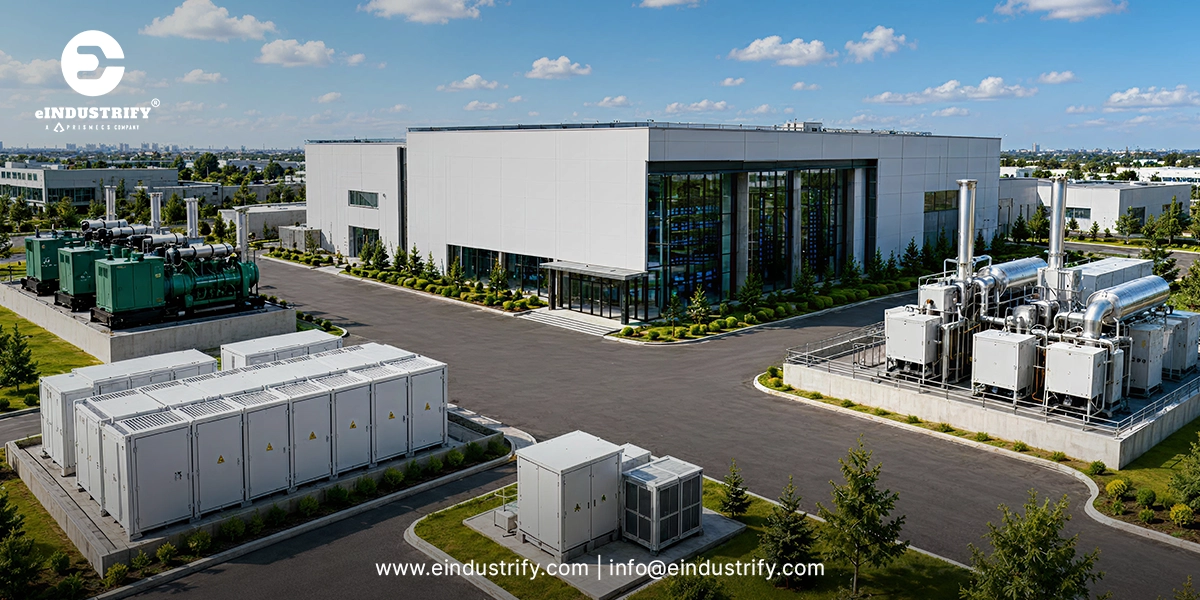
Power generation and data center facilities carry fire risks that generic commercial fire codes don't fully address, particularly around turbine enclosures, switchgear rooms, and battery energy storage systems. These spaces need detector types and response times matched to their specific hazard profile, not a standard office-building layout.
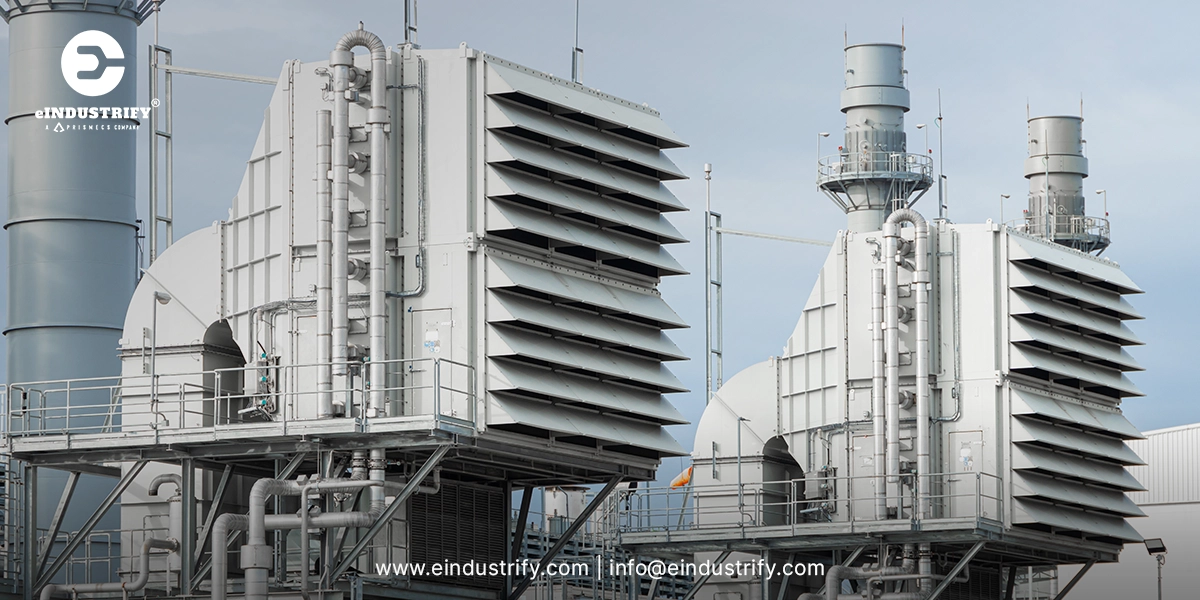
Turbine enclosures and fuel handling areas benefit from flame detection specifically, since a fuel or lubricant fire develops and spreads faster than smoke-based detection can respond. Switchgear and electrical rooms are better suited to heat detection, since dust and normal equipment operation can trigger false alarms on smoke detectors in these spaces.
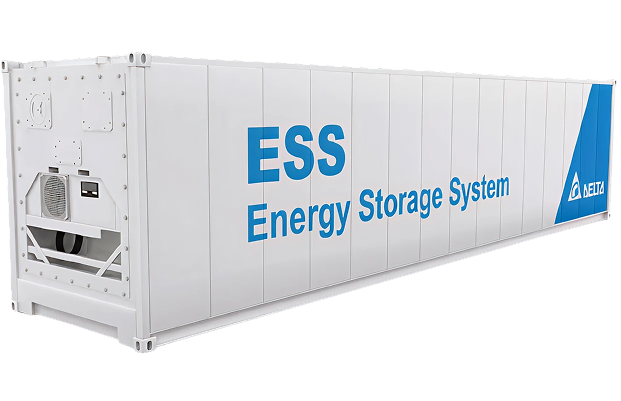
Battery energy storage systems (BESS) carry a distinct fire risk called thermal runaway, where a damaged or overheated lithium-ion cell can ignite and spread to adjacent cells. NFPA 855, the Standard for the Installation of Stationary Energy Storage Systems, applies to lithium-ion BESS installations with capacity greater than 20 kilowatt-hours, according to guidance from theMassachusetts Executive Office of Energy and Environmental Affairs. Facilities running Energy Storage equipment should evaluate detection and suppression requirements against NFPA 855 specifically, not just NFPA 72.
Is Investing in Advanced Fire Detection Worth It?
Advanced fire detection reduces the financial and operational risk of a fire well beyond the cost of the system itself. A fire that goes undetected long enough to spread can trigger a full facility shutdown, costly equipment replacement, and extended downtime.
Faster detection directly shortens emergency response time, since giving responders the fire's exact location lets them act immediately instead of searching a building. Well-documented, code-compliant fire detection systems are also a factor insurers weigh when underwriting commercial and industrial risk, since consistent inspection and testing records demonstrate active risk management.
How to Choose the Right Fire Detection System for Your Facility
The right fire detection system matches detector type to the specific hazard, environment, and occupancy of each space in a facility, not a single blanket solution across the whole building. Start by identifying which areas have unique risk profiles, kitchens, industrial process areas, electrical rooms, fuel storage, and battery installations, since each typically needs a different detector type.
Confirm the system meets NFPA 72 for general fire alarm requirements, and NFPA 855 specifically for any battery energy storage installations. Work with a fire safety professional to validate detector placement and notification coverage, and prioritize systems that integrate remote monitoring, since that shortens the time between detection and response.
Frequently Asked Questions
What is NFPA 72?
NFPA 72 is the National Fire Alarm and Signaling Code, published by the National Fire Protection Association. It covers the application, installation, location, performance, inspection, testing, and maintenance of fire alarm and detection systems in the United States.
What is the difference between a heat detector and a smoke detector?
A heat detector senses temperature using fixed-temperature or rate-of-rise sensing, while a smoke detector senses smoke particles using optical or ionization technology. They are separate detector categories, and heat detectors are typically used in spaces like kitchens or industrial areas where smoke detectors trigger false alarms.
What standard governs flame detectors?
Flame detector performance is governed by FM 3260, the standard for radiant energy-sensing fire detectors, which covers devices that sense visible light or infrared radiation from open flame for fast-response detection.
Does fire detection for battery energy storage systems require a different standard?
Yes. NFPA 855, the Standard for the Installation of Stationary Energy Storage Systems, applies specifically to lithium-ion battery installations above 20 kilowatt-hours and addresses thermal runaway risk that general fire codes don't cover.
How often must fire detection systems be inspected under NFPA 72?
NFPA 72 requires regular inspection, testing, and maintenance schedules for fire alarm systems, with specific intervals and procedures detailed in Chapter 14 of the code. Facilities should confirm current requirements with a licensed fire protection professional, since intervals vary by device type and system component.
Source Fire Detection Equipment for Industrial Facilities
eINDUSTRIFY connects industrial and power generation buyers with vetted suppliers for fire detection and prevention equipment, sourced to fit the specific hazard profile of your facility. Browse theFire Detection and Prevention category, or if you're sourcing for apower generation ordata center facility,submit an RFQ with your specific requirements.Register an account to access pricing and the full catalog.
Tags: Fire Detection Systems Fire detection and prevention Heat Detectors Fire Detection Fire Alarm Flame Detectors Smoke Detectors Detecting Devices Fire Protection
















 vs Automatic Transfer Switch (ATS) for Data Centers.png)