OEM vs Aftermarket Gas Turbine Parts: A Procurement Decision Guide
OEM and aftermarket gas turbine parts differ in their manufacturing sources, technical specifications, quality assurance, supplier support, and procurement costs. OEM components come from the original equipment manufacturer or authorized sources, while aftermarket alternatives are supplied through independent manufacturers, repair facilities, and other sourcing channels. Choosing between them requires evaluating component requirements, technical compatibility, supplier documentation, availability, and total cost of ownership.
The importance of this procurement decision is reflected in the global gas turbine services market, which was valued at USD 45.1 billion in 2025 and reached USD 46.2 billion in 2026. It is projected to reach USD 92.5 billion by 2033, registering a CAGR of 10.4% from 2026 to 2033. The aftermarket segment alone accounts for an estimated 55–60% of total gas turbine services revenue, driven by independent MRO providers, parts manufacturers, and surplus distributors. The market includes spare parts supply, maintenance, repair, overhaul, and upgrade services, highlighting the role of replacement components in gas turbine operations.
For gas turbine operators, the choice extends beyond the initial purchase price. Parts must meet equipment specifications, support reliable operation, and comply with applicable warranty and service agreement conditions. Understanding the technical and commercial differences between OEM and aftermarket options helps buyers assess sourcing risks and make informed procurement decisions.
Understanding OEM vs Aftermarket Gas Turbine Parts in Detail
OEM and aftermarket gas turbine parts follow different manufacturing and supply routes, each with distinct technical and quality requirements. The following sections explain both categories and highlight the key differences buyers should understand before making procurement decisions.
What Are OEM Gas Turbine Parts?
Original Equipment Manufacturer (OEM) parts are produced by the turbine manufacturer or an authorized manufacturing source. Their designs and specifications correspond to the manufacturer's established equipment requirements. In the gas turbine industry, the major OEMs include GE Vernova (formerly GE Gas Power), Siemens Energy, Mitsubishi Power, Baker Hughes, etc.
OEM components can provide a direct sourcing route when equipment requires parts matching its original configuration. Buyers may also access manufacturer-specific engineering support, technical documentation, service bulletins, and warranty arrangements.
For critical components, this established design relationship can simplify technical evaluation and acceptance. However, OEM sourcing still requires verification of the correct part number, drawing revision, equipment configuration, and applicable modifications.
What Are Aftermarket Gas Turbine Parts?
Aftermarket parts are supplied through channels outside the OEM's direct manufacturing or distribution network. They include newly manufactured alternatives, independently engineered components, repaired parts, refurbished inventory, and new surplus stock. The aftermarket ecosystem includes established independent manufacturers such as Chromalloy (a HEICO company), Sulzer, Ethos Energy, Allied Power Group, and Howmet Aerospace, as well as specialized repair shops holding FAA/EASA certifications and surplus inventory dealers.
Their manufacturing routes and quality levels can differ significantly. Some independent manufacturers produce components against established technical specifications, while other suppliers specialize in inspection, repair, or redistribution.
Consequently, the term aftermarket does not establish a particular quality level. Buyers should evaluate the manufacturing source, technical specifications, inspection procedures, and documentation supporting each component.
Side-by-Side Comparison of OEM and Aftermarket Parts
Both OEM and aftermarket sourcing routes can support gas turbine maintenance, but their commercial and technical arrangements differ. The following comparison highlights factors buyers should evaluate before selecting a supplier.
Evaluation factor
OEM parts
Aftermarket parts
Manufacturing source
Original equipment manufacturer or authorized producer
Independent manufacturer, repair facility, or other supplier
Design specifications
Based on OEM engineering requirements
Based on OEM data, licensed designs, or independent engineering
Technical compatibility
Established for specified OEM applications
Requires verification against the installed configuration
Documentation
Manufacturer-specific quality and traceability records
Depends on supplier processes and purchase requirements
Engineering support
Access to OEM technical resources
Depends on independent supplier capabilities
Availability
Depends on OEM production and inventory
Varies by supplier, component, and stock position
Pricing
Determined through OEM commercial channels
Varies by manufacturing route and supplier
Warranty
Subject to OEM terms and applicable agreements
Subject to supplier warranty and purchase conditions
These are general procurement distinctions rather than guarantees. Actual quality, availability, support, and warranty coverage depend on the specific component and supplier.
Which Gas Turbine Components Can Be Sourced Through Alternative Channels?
Gas turbine components such as combustion liners, fuel nozzles, turbine blades, bearings, seals, gaskets, sensors, filters, and fasteners can be sourced through alternative channels. However, the suitability of each component depends on its technical specifications, operating conditions, criticality, and the supplier's ability to demonstrate quality and compatibility.
Hot-Section Components
Hot-section components include combustion liners, fuel nozzles, turbine blades or buckets, and shrouds. These parts operate under high thermal and mechanical stress, making material properties, cooling geometry, dimensional tolerances, and protective coatings critical to their performance.
OEM parts provide a direct route to components manufactured against the original equipment specifications. Independent alternatives may also be considered, but buyers should verify manufacturing processes, material certifications, coating specifications, inspection records, and service-life requirements.
For repaired or refurbished components, review the repair procedures, inspection findings, remaining-condition assessments, and applicable service-life limitations. A lower purchase price should not outweigh uncertainty about component integrity or operating suitability.
Bearings, Seals, and Gaskets
Bearings, seals, and gaskets support rotating assemblies and fluid systems. Their suitability depends on material grades, dimensional tolerances, surface finishes, operating temperatures, pressure requirements, and compatibility with lubricants or process fluids.
Alternative suppliers can be considered when they demonstrate compliance with the applicable engineering specifications. For bearings, verify clearances, load capacity, lubrication requirements, and dimensional characteristics. For seals and gaskets, confirm material compatibility and operating limits.
A replacement should not be accepted solely because its external dimensions match the original component. Differences in materials or operating characteristics can affect equipment performance and reliability.
Sensors, Filters, and Fasteners
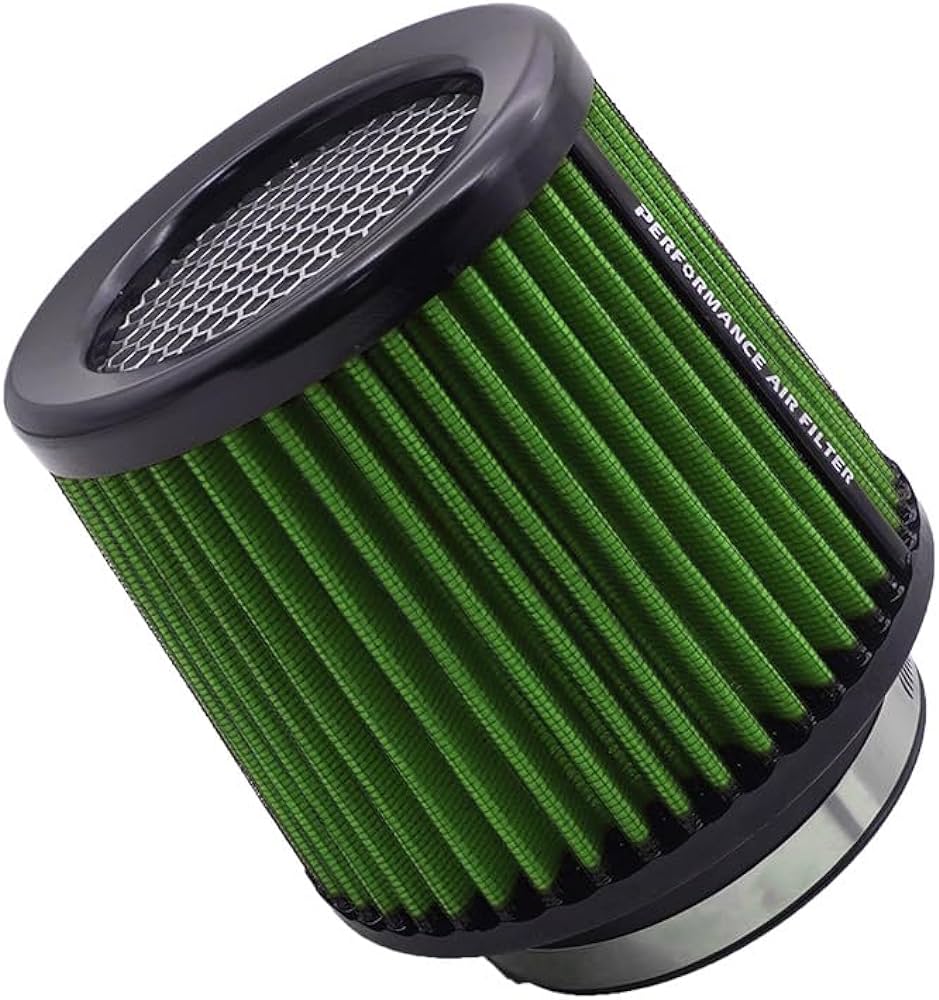
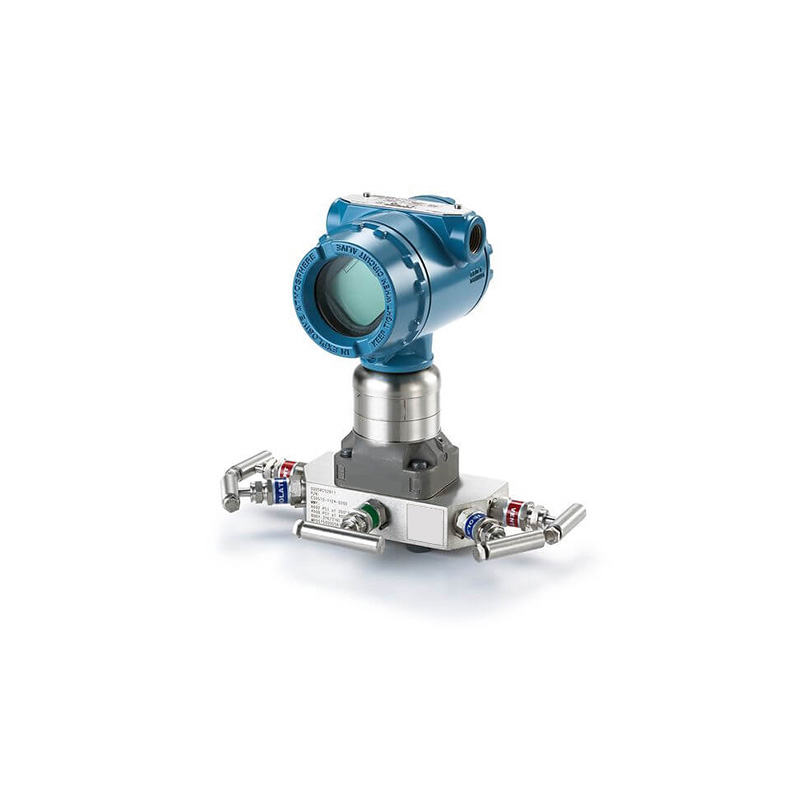
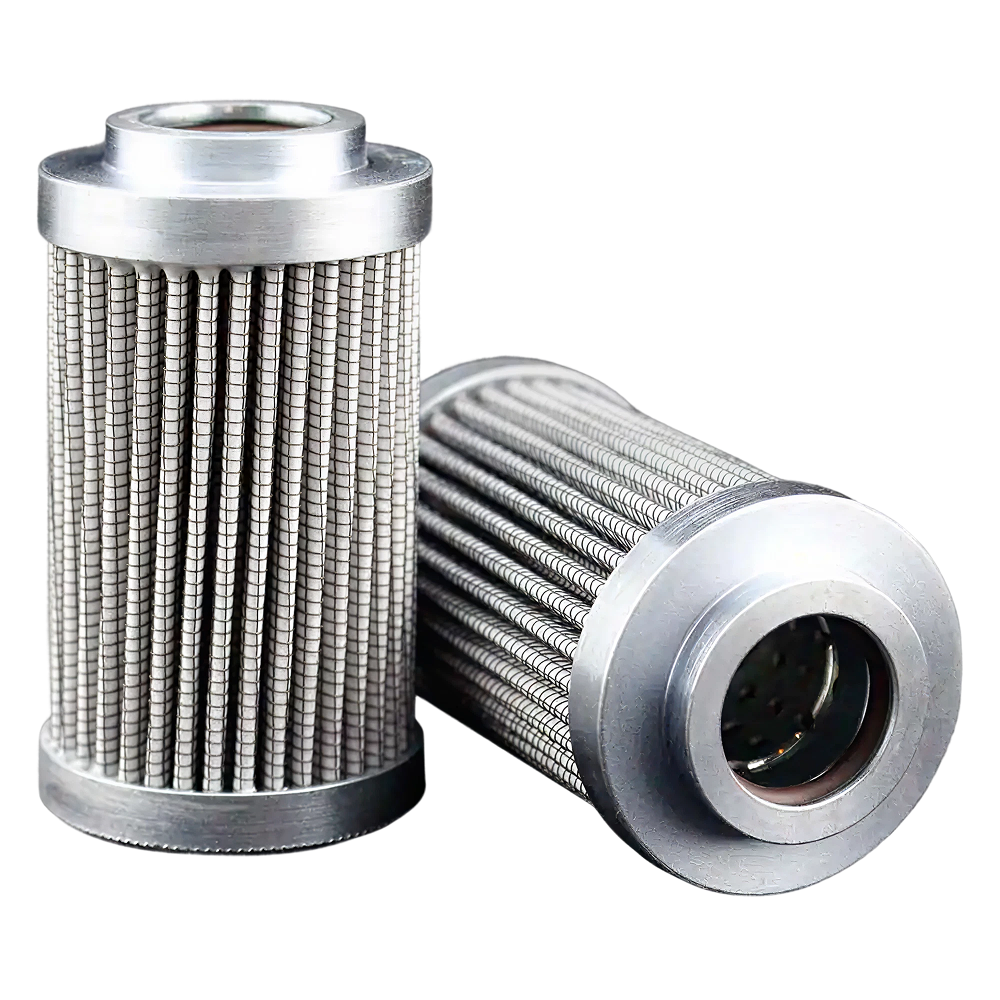
Sensors, thermocouples, filters, and fasteners are also common gas turbine replacement requirements. Their specifications can often be evaluated against established performance, material, and dimensional criteria.
Instrumentation requires verification of measurement range, accuracy, calibration, connection type, and control-system compatibility. Turbine filters must meet specified filtration efficiency, pressure-drop, and dimensional requirements.
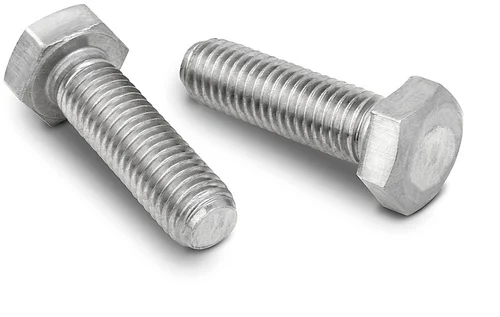
Fasteners require the correct material grade, dimensions, strength class, and coating specification. Whether sourced through an OEM or an independent supplier, each component should meet the requirements of its intended application.
How to Verify Technical Compatibility and Part Quality
Verifying technical compatibility requires more than matching a replacement part number. Buyers must establish that the component meets the installed turbine configuration, engineering specifications, manufacturing requirements, and applicable acceptance criteria.
Confirm Part Numbers and Drawing Revisions
Start by identifying the turbine model, component reference, OEM part number, and applicable drawing revision. Check whether engineering modifications or OEM service bulletins have changed the original equipment configuration.
For example, a replacement intended for a GE LM6000 must match the specific equipment configuration and component application. Buyers should verify the exact model and component configuration before approving a quotation.
Evaluate Form, Fit, and Function
Form-fit-function (F3) is an important framework for evaluating replacement component compatibility. It considers whether an alternative matches the required physical characteristics, installation interfaces, and intended operating function.
Form: Does the component meet the required geometry, material characteristics, and design specifications?
Fit: Can it be installed correctly within the existing assembly without unacceptable modifications?
Function: Does it perform the required mechanical, thermal, electrical, or fluid-system duty?
An F3 assessment should be supported by engineering drawings, specifications, inspection records, and application data. Visual similarity or a supplier's part-number cross-reference cannot independently establish technical equivalence.
Review Material and Inspection Documentation
Material and quality documentation helps buyers establish component traceability and verify manufacturing conformity. The required records depend on component criticality, purchase specifications, and the supplier's manufacturing or repair process.
Key documents may include:
Material Test Reports (MTRs): Provide information about material composition and relevant mechanical properties, supporting traceability to the production batch or heat lot.
Certificates of Conformance (CoCs): Confirm that the supplied component meets the specifications identified in the purchase order or applicable drawing.
First Article Inspection (FAI) reports: Document inspection of an initial production component against its engineering definition and specified dimensions.
Inspection and test records: Provide evidence of dimensional checks, functional testing, and other required quality-control activities.
For critical components, verify that the documentation identifies the correct part number, drawing revision, material specification, and applicable inspection requirements.
Check Manufacturing and Coating Processes
Manufacturing processes influence the characteristics and performance of gas turbine components. Depending on the part, buyers may need to evaluate casting, machining, forging, heat treatment, welding, and other production processes.
For coated hot-section components, review the applicable coating specification, process records, thickness measurements, and inspection results. Confirm that the coating system meets the requirements established for the intended turbine application.
Quality management certifications such as ISO 9001 and AS9100 can provide insight into a supplier's quality management framework. However, certification alone does not prove that an individual component meets turbine-specific engineering requirements. To ensure a component is safe and reliable for turbine applications, organizations must look beyond baseline QMS certifications and verify product-specific engineering standards.
What Should Buyers Evaluate When Selecting a Parts Supplier?
Selecting a gas turbine parts supplier requires assessing technical capability, product traceability, delivery performance, warranty conditions, and contractual acceptance. These factors help buyers determine whether a quotation represents a suitable procurement option rather than simply a lower purchase price.
Verify Supplier Experience and Manufacturing Capabilities
Review the supplier's experience with the relevant turbine platform and component category. Manufacturing experience, repair capabilities, inspection resources, and established quality procedures can influence the reliability of the supplied part.
Ask for relevant application references and evidence of previous work involving comparable components. Confirm whether the supplier can provide technical clarification, material records, inspection documentation, and support during incoming acceptance.
It is also important to establish the actual supply route. Determine whether the quotation covers an OEM component, a newly manufactured independent alternative, a repaired part, refurbished inventory, or new surplus stock.
Assess Lead Time and Parts Availability
Lead time can influence the procurement decision, particularly when replacement components are required for a planned maintenance outage or an unexpected equipment issue.
Compare the quoted delivery schedule with the required installation date. Confirm whether the part is available from existing inventory, requires manufacturing, or depends on inspection and refurbishment before dispatch.
A shorter lead time can be commercially attractive, but buyers should verify stock condition, inspection status, documentation availability, and delivery commitments before placing an order.
Review Warranty, LTSA, and CSA Conditions
Long-Term Service Agreements (LTSAs) and Contractual Service Agreements (CSAs) may define approved components, maintenance procedures, warranty conditions, and supplier restrictions.
The effect of using an alternative component depends on the actual agreement. Some contracts restrict non-OEM parts broadly, while others apply restrictions to particular components or maintenance activities.
Before purchasing, review provisions covering parts approval, performance guarantees, service responsibilities, and warranty coverage. Where necessary, obtain written clarification from the relevant OEM or service provider.
Confirm Insurance and Operational Acceptance
Asset owners should also establish whether their insurers or internal engineering procedures require additional approval for alternative components. This is particularly important when a replacement could affect equipment performance, safety, or contractual responsibilities.
Compare warranty coverage, exclusions, replacement conditions, and responsibility for failure investigations. Consider the costs of removal, reinstallation, transportation, and inspection if a supplied component fails.
Retaining technical specifications, material records, inspection reports, and supplier documentation also supports future maintenance decisions and equipment traceability.
Closing Insights
The final procurement decision should bring together technical verification, supplier reliability, contractual requirements, and total cost of ownership. Whether buyers choose OEM or aftermarket gas turbine parts, each component must meet the equipment's engineering specifications and operational requirements. Evaluating these factors together helps reduce procurement risks while supporting reliable maintenance planning and long-term turbine performance.
As gas turbine maintenance requirements vary across equipment models and applications, access to suitable parts and dependable suppliers remains essential. eINDUSTRIFY connects industrial buyers with equipment suppliers through its marketplace, helping them explore available sourcing options for their procurement requirements.
FAQs
1. What is the difference between OEM, PMA, and equivalent gas turbine parts?
OEM parts are produced by the original equipment manufacturer or authorized sources. PMA parts have FAA Parts Manufacturer Approval for eligible aviation applications. Equivalent parts are independently supplied components demonstrated to meet specified technical and performance requirements.
2. Are aftermarket gas turbine parts safe to use?
Yes, aftermarket gas turbine parts are widely used across the global power generation fleet when they meet the equipment’s engineering specifications, material requirements, and quality standards. Independent manufacturers such as Chromalloy and Sulzer supply thousands of aftermarket components annually to power plants worldwide. Buyers should verify supplier qualifications, manufacturing processes, inspection records (including NDT and CMM data), traceability documentation, and application compatibility before accepting any alternative component.
3. Does using Non-OEM parts void an LTSA or warranty?
Not necessarily. Using non-OEM parts does not automatically void every warranty or Long-Term Service Agreement (LTSA). The impact depends on the specific contract terms, the component category, and applicable conditions. Many LTSAs restrict non-OEM parts only for serialized hot-section components while permitting alternatives for consumables and auxiliary items. Buyers should review parts-approval clauses, performance-guarantee conditions, and warranty-exclusion language, and obtain written clarification from the OEM or service provider before purchasing alternatives.
4. How do you verify an equivalent part is form-fit-function compatible?
Verify form-fit-function compatibility by comparing engineering drawings, dimensions, materials, installation interfaces, and operating requirements. Review inspection reports, material certificates, and performance evidence. Engineering assessment should confirm that the alternative meets the intended application's technical and operational requirements.
5. Which parts are safest to source outside the OEM, and which are not?
Filters, gaskets, fasteners, and selected seals may be suitable for alternative sourcing when specifications and quality records are verified. Hot-section components, including turbine blades and combustion liners, require more extensive engineering assessment due to thermal stress and performance demands.
6. How much can Non-OEM parts save on cost and lead time?
Cost savings from non-OEM parts vary significantly by component category: aftermarket hot-section components (turbine blades, combustion liners) typically offer 20–50% savings versus OEM list pricing, while consumables such as filters, gaskets, and fasteners may save 15–30%. Lead times can also improve, OEM hot-section parts often require 16–26 weeks, whereas established aftermarket suppliers may deliver from stock or within 8–12 weeks. However, buyers should compare total cost of ownership, including inspection, installation, warranty coverage, expected service life, and potential downtime risk, before deciding.
Source Gas Turbine Parts Through eINDUSTRIFY
Whether you are sourcing OEM components or evaluating aftermarket alternatives for GE, Siemens, and other leading manufacturers, eINDUSTRIFY, a B2B industrial marketplace, connects you with verified equipment suppliers. Browse gas turbine parts, communicate your technical and procurement requirements, and take the next step towards identifying suitable components for your gas turbine maintenance needs.