Lithium-Ion BESS for Data Centers: Procurement Guide for Hyperscale Buyers
To procure lithium-ion BESS for a hyperscale data center, start by defining what the batteries must do, then evaluate suppliers on safety certifications, battery chemistry, integration with your power system, warranties and performance guarantees, supply chain strength, and delivery timelines. Lock these into clear contract terms before you commit.
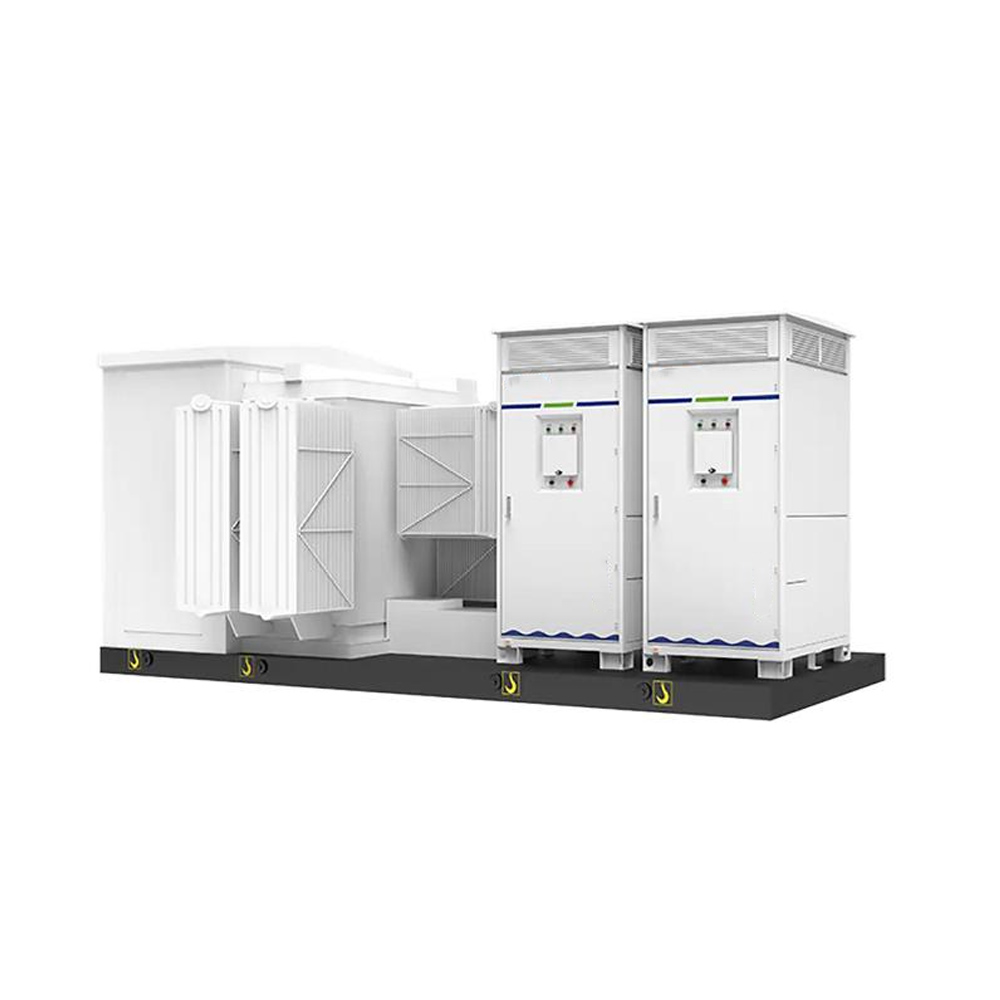
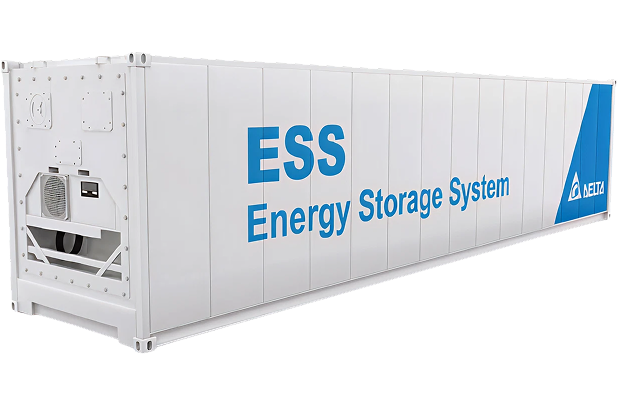
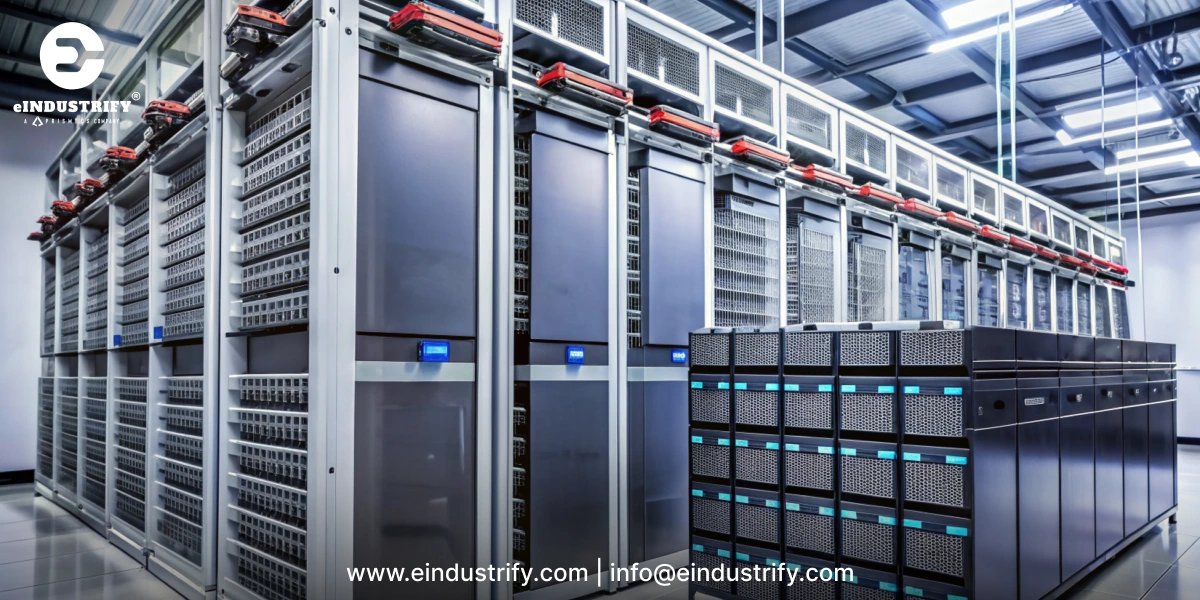
A lithium-ion battery energy storage system (BESS) is a large-scale battery system, usually containerized, that stores electricity and releases it when needed for backup, grid support, or energy cost savings.
In this guide, you will learn why hyperscaler are adopting BESS, how to define your requirements, the six criteria that matter most, a step-by-step procurement process, and a checklist for comparing suppliers.
Why Hyperscale Data Centers Are Buying Lithium-Ion BESS
Hyperscale campuses need enormous amounts of reliable power, and they need it faster than many grids can deliver. The International Energy Agency projects that global data center electricity consumption will more than double to around 945 TWh by 2030, driven largely by AI.
Battery storage has become one of the most practical ways to meet that challenge, and more data center operators are now building it into their campus power plans from day one.
What BESS Does for a Data Center
Backup and ride-through power supports or extends UPS systems during outages and while generators start.
Peak shaving: reduces costly demand peaks and helps sites stay within grid connection limits.
Grid support and services: helps utilities balance the grid and, in some markets, earns revenue.
Renewable integration: stores solar or wind energy to support clean energy goals.
Bridge power: adds usable capacity while grid upgrades are pending.
Smoother AI loads: absorbs sudden power swings from large AI training clusters.
Because one system can deliver several of these benefits, BESS is increasingly treated as core data center infrastructure rather than an optional add-on.
Step One: Define What Your BESS Must Do
The biggest procurement mistakes start with vague requirements. Before you contact suppliers, answer these questions.
What Are Your Main Use Cases?
List and rank the jobs the batteries must do: backup, peak shaving, grid services, renewable storage, or bridge power. Backup-focused systems prioritize reliability and fast response, while energy-cost and grid-service systems prioritize daily cycling and long life.
How Much Power and How Long?
Two numbers define any BESS:
Power (MW): How much electricity can the system deliver at once.
Energy (MWh): How long can it deliver that power.
A system built for short ride-through needs high power for a few minutes, while one built for peak shaving or energy shifting needs enough energy to run for hours.
Where Will It Go?
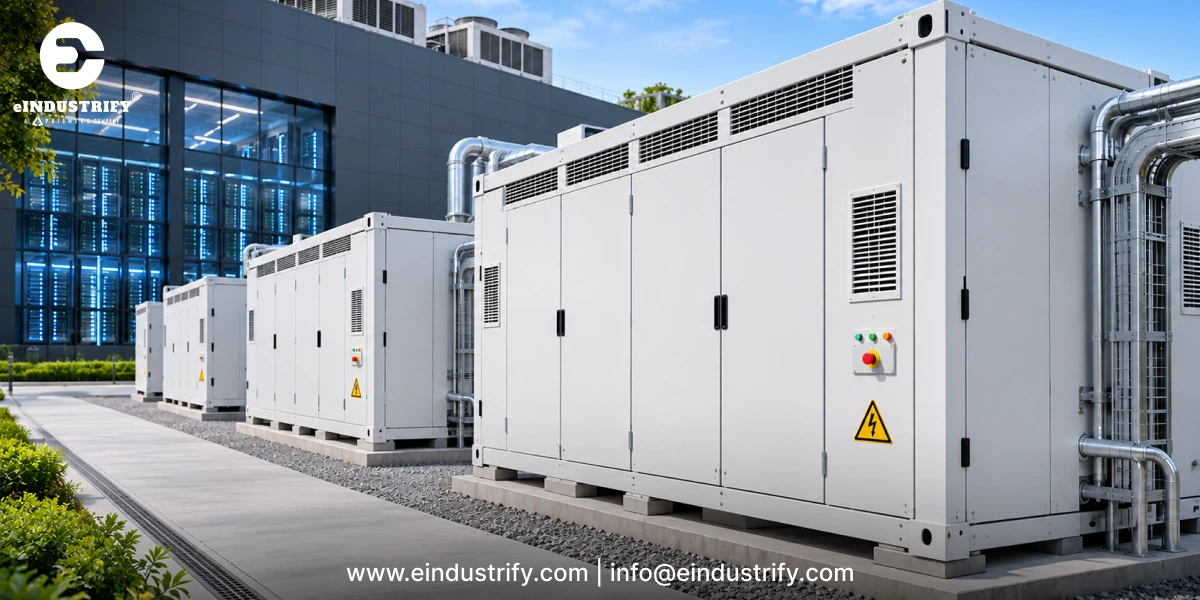
Confirm available space, setback distances from buildings, access for delivery and fire crews, climate conditions, and the connection point to your electrical system. Outdoor containerized systems are common at hyperscale campuses because they simplify space planning and safety separation.
How Will It Grow?
Hyperscale campuses expand in phases. Plan for future capacity and ask suppliers how they handle augmentation: adding batteries later to maintain capacity as cells age or demand grows.
6 Criteria for Choosing a Lithium-Ion BESS Supplier
Once your requirements are clear, the next step is choosing who will supply the system. Price matters, but for hyperscale projects that run for decades, safety, reliability, and long-term support matter more. Use these six criteria to compare BESS suppliers side by side.
1. Safety and Certifications
Safety comes first. Ask for proof that the system is listed to UL 9540, that it has been fire-tested under UL 9540A, and that the design follows NFPA 855 and local fire codes. Check for built-in fire detection, suppression, and ventilation.
2. Battery Chemistry
Most data center buyers choose lithium iron phosphate (LFP) for its strong safety record and long cycle life. Other lithium-ion chemistries may offer more energy in less space. Match the chemistry to your safety requirements, space limits, and use cases.
3. Integration With Your Power System
The BESS must work smoothly with your UPS systems, switchgear, generators, and building or energy management software. Ask suppliers how they handle controls, communications, and testing with your existing equipment.
4. Warranty and Performance Guarantees
Batteries lose capacity over time. Look for clear guarantees on usable capacity, efficiency, and availability over the contract term, plus defined remedies if the system falls short.
5. Supply Chain and Supplier Strength
Hyperscale projects need suppliers that will still be around for decades of service. Check financial strength, cell sourcing, manufacturing capacity, local service teams, and spare parts availability.
6. Lead Times and Delivery
Demand for battery storage is high across the whole market. The U.S. Energy Information Administration reports that utility-scale battery capacity has grown by an average of 70% per year over the last three years, with another 54 GW planned through 2028, so production slots can fill quickly. Confirm realistic delivery dates for containers, inverters, transformers, and switchgear, and ask how suppliers will secure capacity for phased campus build-outs.
The Hyperscale BESS Procurement Process, Step by Step
Build the requirements package. Document use cases, power and energy needs, site conditions, growth plans, and safety requirements.
Prequalify suppliers. Screen for certifications, relevant data center or utility-scale experience, financial strength, and service coverage in your regions.
Issues a request for proposal (RFP). Ask every supplier to respond in the same format, with pricing broken down by equipment, installation, commissioning, and long-term service.
Evaluate the total cost of ownership. Compare upfront price, efficiency losses, augmentation costs, service fees, and expected life, not just the cost per MWh on day one.
Run technical and site reviews. Visit factories or reference sites, review fire test reports, and confirm how the system integrates with your power design.
Negotiate contract terms. Finalize guarantees, delivery dates, testing, and service before signing.
Plan delivery and commissioning. Coordinate shipping, installation, testing, and handover with your construction schedule.
Working with an experienced sourcing partner can save time at several of these steps. This overview of Procurement-as-a-Service explains how on-demand sourcing support works.
Contract Terms That Protect Hyperscale Buyers
Term
What to secure
Capacity guarantee
Minimum usable energy over the contract term, with remedies if not met
Availability guarantee
Percentage of time the system must be ready to operate
Delivery schedule
Firm dates, with damages for late delivery
Performance testing
Acceptance tests at commissioning and periodically afterward
Augmentation plan
Who adds capacity as batteries age, and at what cost
Long-term service agreement
Maintenance, monitoring, response times, and spare parts
End-of-life
Responsibility for removal, recycling, and disposal
Red Flags When Buying Data Center BESS
Missing or partial safety documentation, such as no UL 9540A fire test report.
Vague capacity guarantees that do not say how much usable energy remains after several years.
No local service team or unclear response times for faults.
Unclear cell sourcing, or frequent changes in battery suppliers.
Prices far below the market without a clear explanation of scope.
No experience integrating with UPS and data center controls.
Buying critical electrical equipment from verified channels also lowers risk. A marketplace offering vetted industrial and electrical equipment can help you compare options and avoid counterfeit or undocumented components.
Lithium-Ion BESS Procurement Checklist
Use cases that are ranked and documented.
Power (MW) and energy (MWh) needs defined, including future growth.
Site layout, setbacks, and fire access confirmed.
UL 9540 listing, UL 9540A test data, and NFPA 855 compliance verified.
Battery chemistry chosen to match safety and space needs.
Integration plan with UPS, switchgear, generators, and controls agreed.
Capacity, efficiency, and availability guarantees in writing.
Augmentation and long-term service plans are priced.
Delivery dates confirmed for all major components.
End-of-life and recycling responsibilities assigned.
Frequently Asked Questions
Why do data centers use lithium-ion BESS?
Data centers use lithium-ion BESS for backup and ride-through power, peak shaving, grid support, renewable energy storage, and bridging capacity while grid upgrades are completed. Lithium-ion offers high energy density, fast response, and long life.
Is LFP or NMC better for data centers?
Many data center buyers prefer lithium iron phosphate (LFP) because of its strong safety profile and long cycle life. NMC can store more energy in less space, which may suit sites with tight footprints. The right choice depends on safety, space, and use case.
What safety standards should a data center BESS meet?
In the U.S., buyers commonly require UL 9540 listing for the energy storage system, UL 9540A fire test data, and compliance with NFPA 855 and local fire codes.
How long does a lithium-ion BESS last?
Lifespan depends on chemistry, how often the batteries cycle, temperature, and maintenance. Suppliers typically guarantee performance over a set term, and augmentation can extend usable capacity.
Can BESS replace UPS batteries or diesel generators?
BESS can support or partly replace UPS batteries and reduce generator running time. Most hyperscale sites still keep generators for long outages, using BESS to improve reliability, efficiency, and grid flexibility.
Key Takeaways
Buying lithium-ion BESS for a hyperscale data center works best when you define use cases first, then judge suppliers on safety, chemistry, integration, guarantees, supply chain strength, and delivery. Compare offers on total cost of ownership and lock key protections into the contract. Across the data center buyers eINDUSTRIFY supports, the smoothest BESS projects are the ones where requirements and guarantees are settled before the first purchase order.
Sourcing BESS for Your Next Data Center Phase?
Hyperscale procurement leads, data center developers, and energy managers can count on eINDUSTRIFY to source certified lithium-ion BESS, inverters, switchgear, and supporting electrical equipment from trusted manufacturers, and to manage quotes and supplier follow-ups across every phase.
Talk to our power equipment expert today at +1 (888) 774 7632.
Tags: lithium-ion BESS data center energy storage UL 9540 certification LFP battery chemistry BESS capacity guarantee