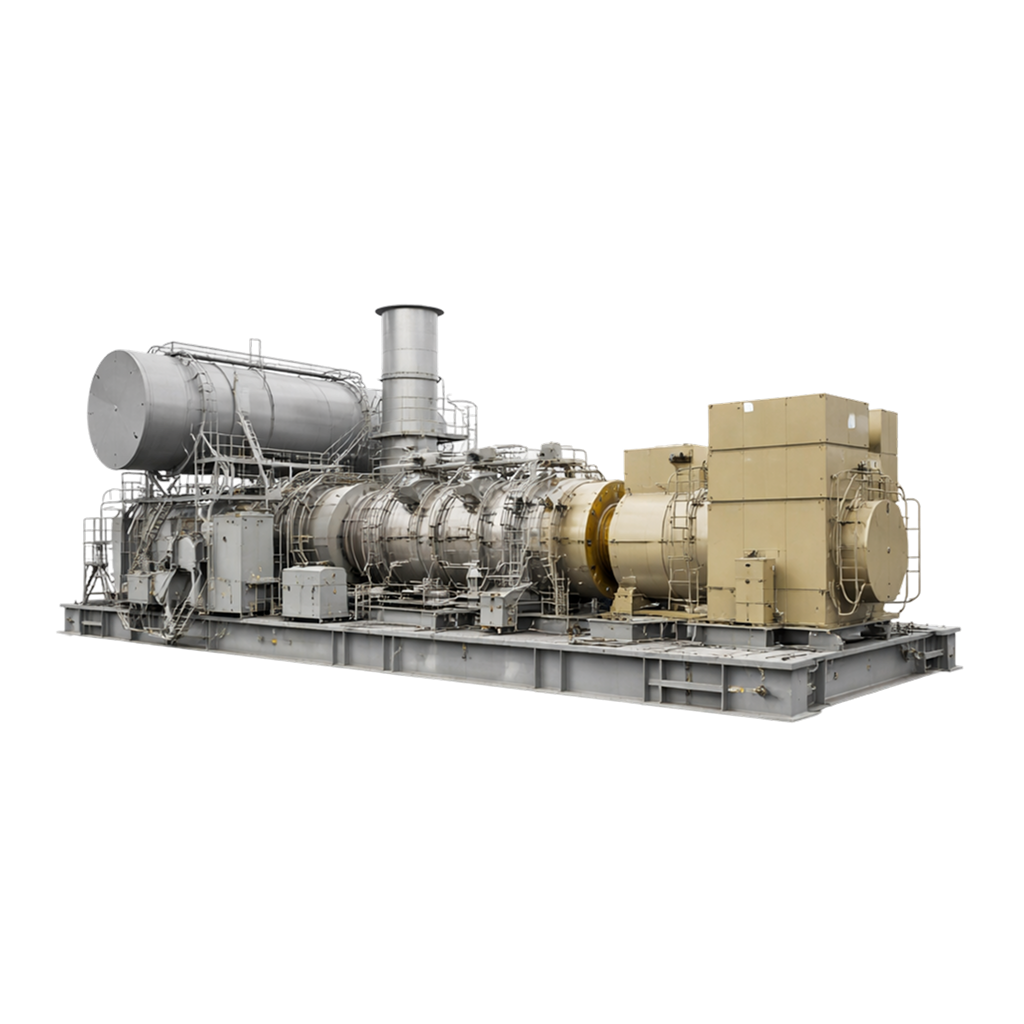
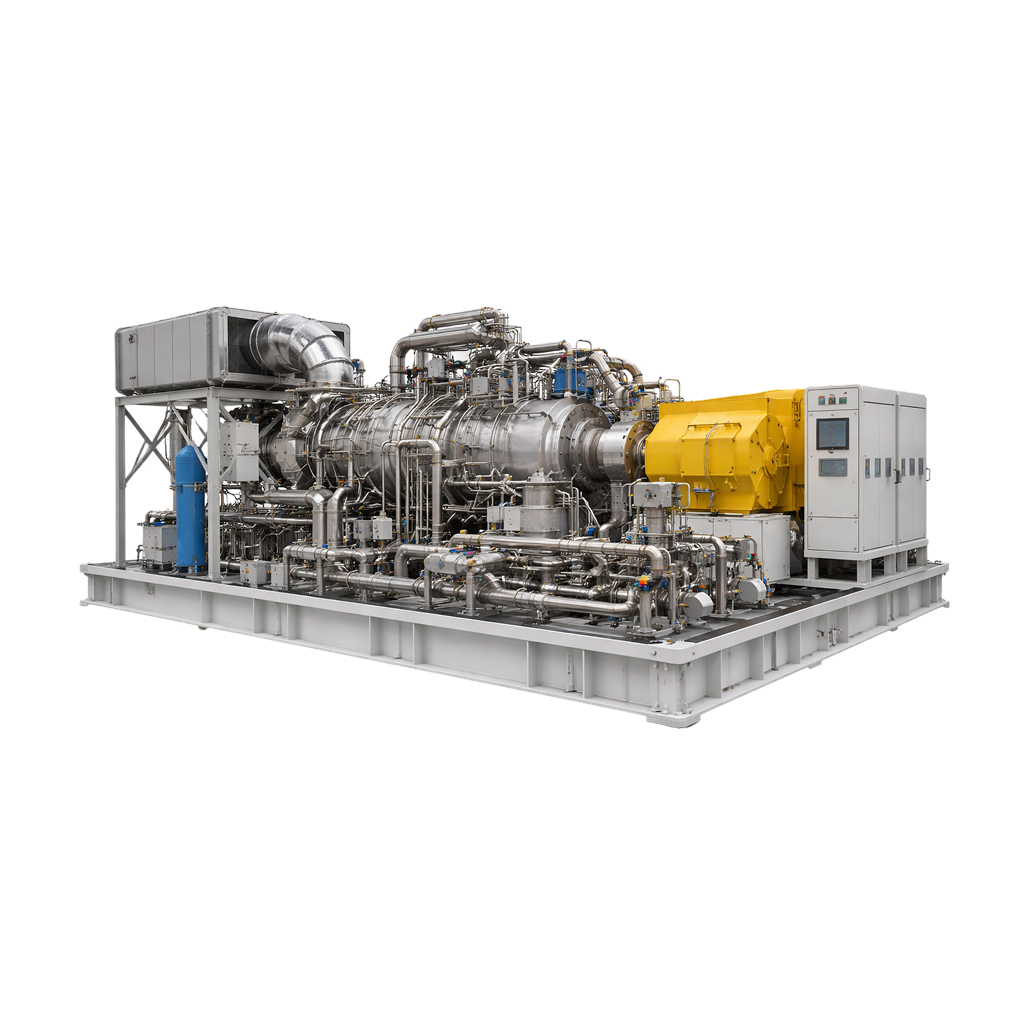
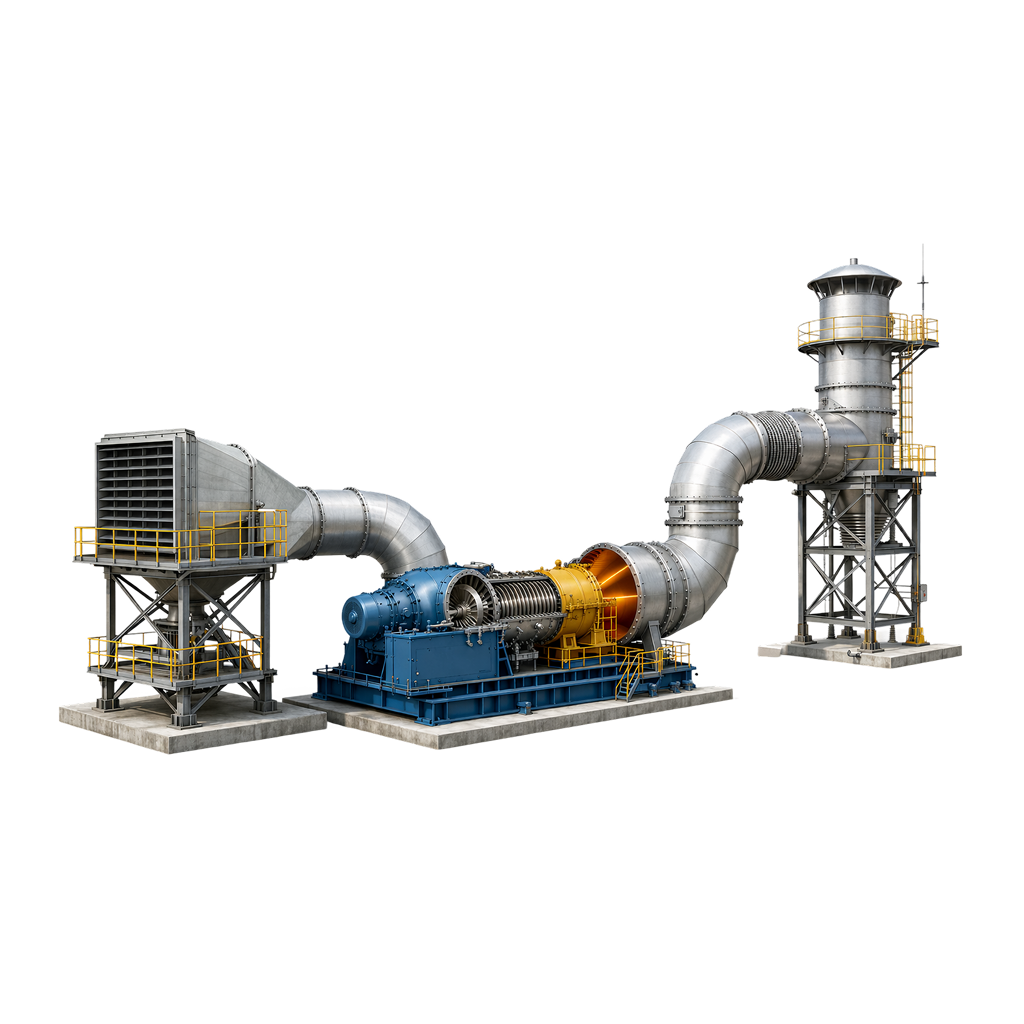
Air Compressors for Sale: Compare Models, Brands, Features
Compressed air powers industrial tools, assembly lines, and heavy equipment reliably. Factories and workshops use air compressors to work efficiently, keep machines running smoothly, and reduce downtime. Use this guide to compare models, brands, and features and find the air compressor that fits your needs.
Industrial Air Compressor:
An industrial air compressor converts power from an electric motor or engine into compressed air energy. This compressed air powers pneumatic tools, manufacturing lines, spray painting systems, and automated machinery. Industrial air systems run continuously, handle high pressure, and maintain a steady flow, unlike residential compressors. They supply energy to everything from automotive assembly plants to food processing facilities. Knowing air compressor basics helps you set up an efficient plant air system. It provides the right air pressure for industrial use.
Working:
Compressed air acts as a form of stored energy. An industrial air compressor pulls in air and squeezes it to increase its pressure. Once released, this pressurized air performs mechanical work, powering drills, conveyors, or paint sprayers. In industrial air systems, air flows through pipes, tanks, and devices like dryers and filters before reaching the machines. Clean, dry, and stable air ensures both system longevity and operational reliability.
Types:
When selecting the best industrial air compressor for factories, it’s crucial to understand the different types available. Each compressor has unique performance characteristics, maintenance requirements, and cost implications.
Rotary Screw Compressors:
A rotary screw compressor is one of the most popular choices for continuous operation. It uses two interlocking helical rotors to compress air efficiently.
Ideal for 24/7 manufacturing operations
Delivers consistent pressure and flow rate
Works quietly and requires minimal maintenance
These are preferred in industrial air applications such as automotive manufacturing, chemical processing, and food packaging.
Reciprocating (Piston) Compressors:
A reciprocating compressor uses pistons to compress air inside cylinders.
Best for intermittent use or smaller operations
Generates higher pressures but with more noise
Requires more maintenance due to moving parts
Rotary screw compressors are more energy-efficient and good for continuous use. Reciprocating compressors is better for occasional high-pressure tasks.
Centrifugal Compressors:
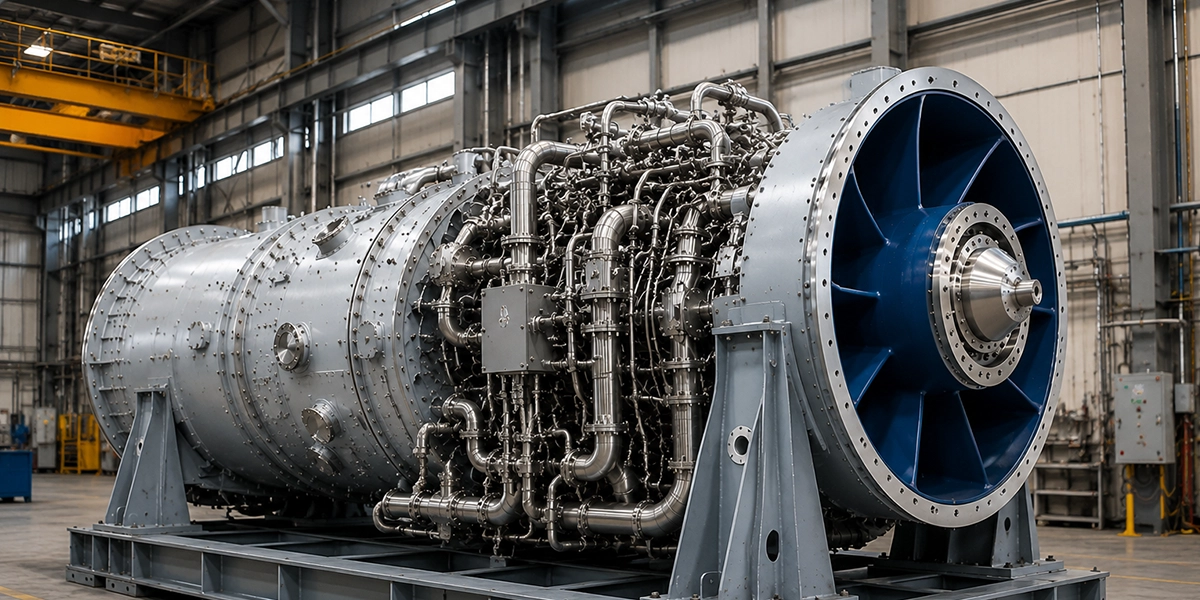
These large-scale compressors use high-speed impellers to transfer energy into the air.
Suited for massive industrial plants
High flow capacity with steady pressure
Low oil carryover for clean air applications
Centrifugal systems are often used in refineries, steel production, and power generation facilities.
Scroll and Vane Compressors:
Compact and reliable, these types are common in labs, electronics, and medical industries. They operate quietly and deliver oil-free air, ideal for sensitive environments.
Brand Comparison:
When searching for air compressors, brand selection plays a key role. Top brands like Atlas Copco, Ingersoll Rand, Kaeser, Gardner Denver, and Quincy are reliable, energy-efficient, and well-supported.
Atlas Copco:
Atlas Copco sets the benchmark for innovation in energy-efficient compressed air solutions. Its VSD compressors change motor speed to match air demand, saving energy and lowering costs.
Ingersoll Rand:
Ingersoll Rand compressors offer rugged designs suitable for harsh environments and flexible air system components. Built for durability and performance, these compressors deliver reliable compressed air even in demanding industrial conditions. Their advanced engineering ensures efficiency, longevity, and easy integration into existing industrial air systems.
Kaeser Compressors:
Kaeser Compressors combine German engineering precision with advanced technology to deliver exceptional performance and reliability. Their smart control systems optimize compressed air energy use, enhancing industrial air system efficiency while maintaining quiet operation.
Gardner Denver:
Gardner Denver makes industrial air compressors that cut downtime and lower operating costs. Their focus on low maintenance costs and energy-efficient designs helps facilities achieve consistent output with less intervention.
Quincy Compressor:
Quincy Compressor stands out for its flexible range of customizable compressor configurations designed to meet specific plant requirements. The brand’s strong warranty coverage and proven engineering give operators confidence in long-term reliability.
Chicago Pneumatic Reciprocating Air Compressor:
The Chicago Pneumatic Reciprocating Air Compressor provides powerful and efficient compressed air solutions for various industrial applications. It is built to be durable and high-performing, ideal for tough environments and continuous use.
Champion Centurion II Series
The Champion Centurion II Series is a high-efficiency air compressor designed for reliable performance in industrial applications. It features advanced engineering and durable components. It ensures a long-lasting service life. It makes it ideal for heavy-duty. Always check industrial compressors for noise, horsepower (HP), flow rate (CFM), and the pressure (PSI) your operation needs.
Size Guide
Before investing, assess your plant’s compressed air system design carefully. Selecting the wrong size affects efficiency, pressure stability, and energy costs. Key sizing factors include:
Air Demand:
Calculating total air demand is the foundation of proper compressor sizing. Add the CFM (Cubic Feet per Minute) requirements for all connected tools, equipment, and machinery operating simultaneously. Include peak usage periods when multiple systems run at once.
Pressure Range:
Your air pressure requirements for industrial use determine how much PSI your compressor must deliver. Most pneumatic tools and air systems work best at 90–120 PSI, though some equipment may need higher pressure.
Duty Cycle:
The duty cycle shows how long a compressor can run. Rotary screw compressors run all day, while reciprocating ones suit light use.
Future Growth:
Industrial operations evolve, and so should your air system design. Always plan for future growth by including a 20–30% capacity buffer when sizing your compressor. Expansion could involve adding production lines, pneumatic tools, or automation systems that increase air demand. Right sizing your compressor ensures optimal industrial air system efficiency and prevents unnecessary energy waste.
Energy-Efficient Air Compressors for Plants:
Energy accounts for nearly 70% of a compressor’s lifetime operating cost. Investing energy-efficient air compressors helps reduce overall power consumption and carbon footprint.
Variable Speed Drive (VSD) Compressors
VSD compressors automatically adjust motor speed to match air demand. This feature significantly lowers compressed air energy costs and reduces wear on components.
Air Treatment Equipment
Dryers, filters, and regulators keep air clean and moisture-free, extending equipment life and reducing downtime.
Compressed Air Leak Detection Solutions
Even a small leak can waste up to 30% of compressed air. Regular leak detection and repair save energy and boost air system efficiency.
Compressed Air Optimization
Real-time monitoring and smart controllers find problems and keep your air system running efficiently.
Air System Components and Design
An efficient air system includes more than just the compressor. Key air system components include:
Compressor unit:
The compressor is the heart of every industrial air system, producing and supplying air to all connected equipment. Its performance determines the overall efficiency, reliability, and output of the system.
Air dryer:
An air dryer removes moisture from compressed air to prevent rust, corrosion, and damage to downstream equipment. Dry air improves tool performance and extends the life of pneumatic systems.
Filters:
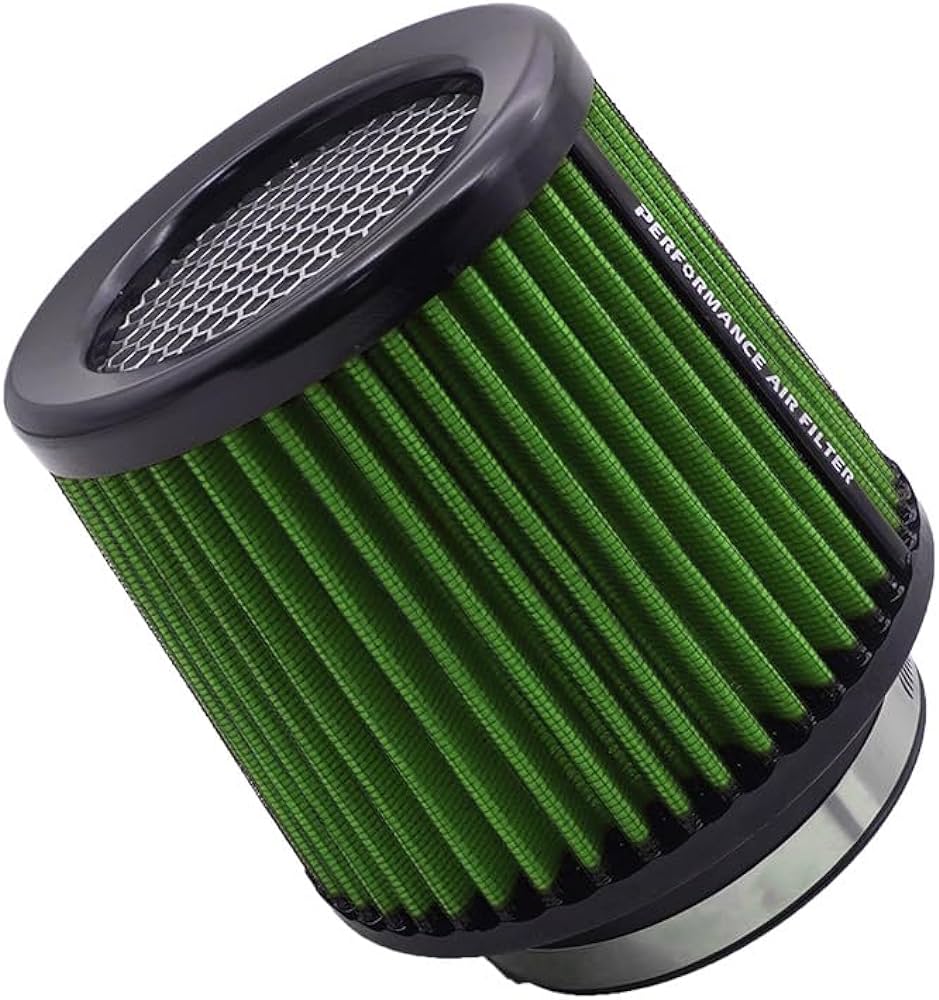
Filters play a critical role in protecting your industrial compressed air system by capturing oil, dust, and particulate contaminants. Clean filtration ensures better air quality, reduces maintenance needs, and prevents premature equipment failure.
Storage tank:
The storage tank acts as a buffer, providing stable air pressure and reducing frequent compressor cycling. It stores excess compressed air during low-demand periods and supplies it when demand peaks.
Distribution piping:
Distribution piping delivers compressed air from the storage tank to tools, machines, and workstations throughout the facility. Efficient piping design minimizes pressure drops, air leaks, and energy loss. Using good materials and a proper layout keeps airflow smooth and equipment running well. A well-planned compressed air system design ensures balanced airflow, minimal pressure drop, and maximum productivity.
Benefits:
Below are some of the key benefits of compressed air in the industries listed below.
Versatility:
The right industrial air compressor lets plants run many machines at once, keeping production flexible. This versatility allows manufacturers to adapt quickly to changing production needs, making compressed air systems essential for maximizing uptime and operational efficiency.
Safety:
By using industrial air systems, facilities reduce dependency on electrical wiring near hazardous materials, ensuring a safer workspace. Additionally, air tools generate less heat and sparks, minimizing fire hazards.
Efficiency:
An industrial air compressor delivers reliable, steady power that keeps production moving without fluctuations. It delivers steady torque and pressure, keeping pneumatic tools, automation systems, and heavy equipment running smoothly under continuous use.
Scalability:
One of the most valuable advantages of an industrial air compressor system is its scalability. As your business grows, your compressed air system can expand easily without redesigning your facility.
Clean Energy:
Modern industrial air compressors play a vital role in advancing sustainability by reducing energy consumption and emissions. Through energy-efficient compressed air solutions, industries can cut their carbon footprint while maintaining high productivity. These benefits make compressed air the lifeblood of modern industrial production.
Air Pressure and Flow Considerations
Every industrial air compressor must meet the system’s CFM and PSI demands.
PSI (Pounds per Square Inch) measures pressure, critical for powering pneumatic machinery effectively.
Balancing flow rate (CFM) and pressure (PSI) ensure each process receives adequate energy without overloading the system.
Safety Tips:
Safe compressed air handling is essential for both workers and equipment.
Never point air hoses toward people.
Use approved fittings and hoses rated for the system’s PSI.
Drain moisture traps regularly to prevent corrosion.
Conduct periodic safety training and maintenance checks.
Follow manufacturer guidelines for industrial compressor maintenance costs and service intervals.
A safe, well-maintained system prevents accidents and extends equipment life.
Reducing Noise Levels
Noise can impact productivity and worker safety. Choose compressors with sound-insulated enclosures, anti-vibration mounts, and efficient cooling systems. Rotary screw compressors generally run quieter than reciprocating models, making them ideal for indoor environments.
Energy-Efficient Solutions
To enhance industrial air system efficiency, consider these strategies:
Optimize compressor placement and ventilation.
Maintain proper piping size to reduce pressure drops.
Recover waste heat from compressors for space heating or water preheating.
Schedule off-peak operations to reduce energy demand.
Install automatic shutdown systems for idle periods.
Sustainable practices like these improve overall compressed air optimization and reduce total cost of ownership.
Choosing the Best Compressor
When evaluating air compressors for sale, prioritize:
Energy efficiency and VSD technology
Durability and brand reputation
Compressor horsepower (hp) suited to workload
After-sales service and availability of spare parts
Scalability for future expansion
Each factor contributes to long-term reliability and lower operational expenses.
At eINDUSTRIFY, you can compare multiple industrial compressor brands and find the model that aligns with your production goals.
Maintenance and Costs:
Regular maintenance ensures your industrial compressed air systems deliver consistent performance.
Inspect filters, belts, and oil levels weekly.
Schedule quarterly vibration and temperature checks.
Replace worn parts promptly to prevent breakdowns.
Review annual energy audits to identify optimization opportunities.
Proactive maintenance reduces industrial compressor maintenance costs and improves uptime.
The Future:
Modern plants are adopting smart compressed air systems with IoT-enabled monitoring and AI-driven analytics. These innovations enhance industrial air system efficiency, automate maintenance scheduling, and optimize energy usage. As global sustainability goals rise, energy-efficient air compressors will help plants cut emissions and boost profits.
At the Bottom Line:
Choosing the right industrial air compressor is more than buying equipment. It is an investment in efficiency. It improves productivity and saves energy. Understanding how compressed air works helps you choose the right system. Compare rotary screw and reciprocating compressors. Plan your system properly. This builds a reliable air system for your facility.
At eINDUSTRIFY you can compare compressors for sale. You can check the top brands and find energy saving solutions that fit your plant. Equip your business with the best, because efficient compressed air means powerful performance.