How to Choose the Right Industrial Air Compressor for Your Facility
The right industrial air compressor is one of the most consequential equipment decisions a plant makes, because the purchase price is the smallest part of what it costs you. According to lifetime-cost data published by the U.S. Department of Energy and Natural Resources Canada, a typical compressed air system's cost of ownership breaks down to roughly 76 percent electricity, 12 percent maintenance, and just 12 percent equipment and installation.
In other words, a correctly sized, energy-efficient compressor matched to your real air demand saves far more over 10 to 15 years than a cheaper unit ever will. This guide covers how compressed air works, the compressor types, the specifications and sizing math that decide the choice, the power and air-quality requirements buyers overlook, and how to source the right unit.
It is written for plant engineers, maintenance and reliability teams, and procurement buyers specifying compressed air systems for continuous industrial duty, not consumer or DIY use.
How Compressed Air Works
An air compressor converts power, usually from an electric motor and occasionally a diesel or gas engine, into compressed air by drawing in air and reducing its volume to raise its pressure. That pressurized air is stored in a receiver and then conditioned by filters, dryers, and regulators before it reaches the point of use, where it powers tools, actuates valves, and drives processes such as painting, sandblasting, and pneumatic conveying. Industrial compressors are built to run continuously under load, where pressure stability, air quality, and energy efficiency are essential, which is what separates them from intermittent-duty consumer units.
One efficiency reality to understand up front: compressing air is inherently lossy. As much as 80 to 90 percent of the electrical energy a compressor draws is converted to heat rather than useful compressed air, which is exactly why energy efficiency and heat recovery (covered below) matter so much to the economics.
Main Types of Industrial Air Compressors
Compressors fall into two broad categories: positive-displacement (which trap and squeeze a fixed volume of air) and dynamic (which accelerate air with an impeller). The five types you will evaluate:
Rotary Screw Compressors
Rotary screw compressors use two interlocking helical rotors to compress air continuously, delivering steady flow (CFM) and pressure (PSI). They are the industrial default for continuous operation: reliable, energy-efficient, quiet, and low-maintenance, ideal for manufacturing, automotive, chemical processing, and 24/7 production. Variable Speed Drive (VSD) versions adjust motor speed to match demand and cut energy use significantly.
Reciprocating (Piston) Compressors
Reciprocating compressors use pistons to compress air in cylinders. They are economical, simple to maintain, and capable of high pressure, but they are louder and limited by duty cycle. Single-stage models compress in one stroke; two-stage models compress in two steps for higher pressure and better efficiency in demanding use. They suit intermittent or smaller-volume operations rather than continuous plant air.
Centrifugal Compressors
Centrifugal compressors use high-speed impellers to pressurize large volumes of air at constant pressure. They deliver oil-free output with minimal vibration and suit very large, high-demand facilities such as refineries, steel production, and power generation. The tradeoff is higher capital cost and more specialized maintenance.
Scroll and Vane Compressors
Scroll and rotary vane compressors are compact, quiet, and reliable, and scroll units deliver clean oil-free air. They are common in laboratories, electronics, food, and medical applications where air purity and low noise matter more than high volume.
Rotary Screw vs Reciprocating: The Core Comparison
The most common selection question is rotary screw vs reciprocating. The table below summarizes the decision.
Factor
Rotary Screw
Reciprocating (Piston)
Duty cycle
Continuous, up to 100%
Intermittent; single-stage often rated around 50%
Energy efficiency
Higher, especially with VSD
Lower
Noise
Lower (60 to 75 dB typical)
Higher
Maintenance
Lower, scheduled
More frequent, more moving parts
Upfront cost
Higher
Lower
Best for
Continuous, high-volume plant air
Intermittent, smaller, high-pressure tasks
A practical sizing note: single-stage reciprocating compressors are often rated for around a 50 percent duty cycle or less, so they must be oversized in horsepower to allow cooling time. Rotary screws are the opposite, running most efficiently when loaded for long, steady intervals rather than oversized "for growth."
Specifications Every Buyer Must Understand
Matching these specifications to your application is the heart of the decision.
CFM, and why SCFM matters: CFM (cubic feet per minute) is the volume of air delivered and the primary sizing metric. Most tool and process loads are rated in SCFM (standard CFM, normalized to defined temperature, pressure, and humidity) at 90 or 100 psig. Always compare like with like: size against SCFM ratings, since actual (ACFM) volumes shift with inlet conditions.
PSI (or psig): the pressure delivered. Higher PSI gives reserve, but it is not a substitute for adequate CFM, and over-pressurizing wastes energy (see efficiency below).
Duty cycle: the percentage of time the compressor can run loaded. A 50 percent duty cycle means roughly 5 minutes of running per 10. Continuous industrial duty needs a high or 100 percent duty cycle.
Horsepower (HP) or kW: a result of CFM and PSI, not the primary spec. As an industry rule of thumb, an oil-injected rotary screw produces roughly 4 to 5 CFM per HP. International buyers should note compressors are rated in kW outside North America (1 HP is about 0.746 kW).
Tank size: larger receiver tanks store more air, reduce motor cycling, and buffer demand spikes; a common guideline is at least 4 to 5 gallons of storage per CFM.
Oil-lubricated vs oil-free: oil-lubricated units run cooler, quieter, and longer but need oil changes; oil-free units deliver contaminant-free air for food, pharmaceutical, and electronics work.
Power Supply: Single-Phase vs Three-Phase
This is the requirement most buying guides skip, and it can block a purchase outright. Single-phase power, standard in small facilities, typically caps compressor size around 7.5 HP, with a few manufacturers reaching 10 HP. Above that, three-phase power, standard in industrial buildings, is the only option, and it runs more efficiently and delivers smoother power. The compressor must be built for the phase and voltage your building actually supplies, so confirm your power before specifying, and consult an electrician and local codes where needed.
Air Pressure and Air-Quality Requirements
Selecting a compressor depends on matching pressure and flow to your equipment, then accounting for losses through the system.
Light-duty tools and general plant air: 90 to 120 PSI
Heavy industrial applications: 120 to 175 PSI
Specialized high-pressure processes (PET, certain testing): higher pressures, specified per application
Critically, size discharge pressure backward from the tool, not from the nameplate. Dryers, filters, and piping typically lose 10 to 15 psi, so if a tool needs 90 psig at the point of use, the compressor may need to discharge near 105 to 110 psig. And because every 1 bar (about 14.5 psi) of added pressure requires roughly 8 percent more power, do not over-pressurize the system as a habit.
For applications needing defined air purity, the ISO 8573-1 standard classifies allowable contamination in three categories, each with numbered purity classes:
ISO 8573-1 Category
What It Controls
Typical Application Driver
Particles (solid)
Dust and particulate by size and count
Electronics, paint finishing
Water (humidity)
Pressure dew point
Instrument air, outdoor lines, freezing risk
Oil (total)
Oil aerosol and vapor content
Food, pharmaceutical, medical, breathing air
Specify the ISO 8573-1 class your process requires, then match dryers and filters to hit it. This is the spec to state when ordering air for sensitive processes.
Air System Components
A well-designed compressed air system is more than the compressor. These components ensure clean, dry, stable air:
Air Dryer
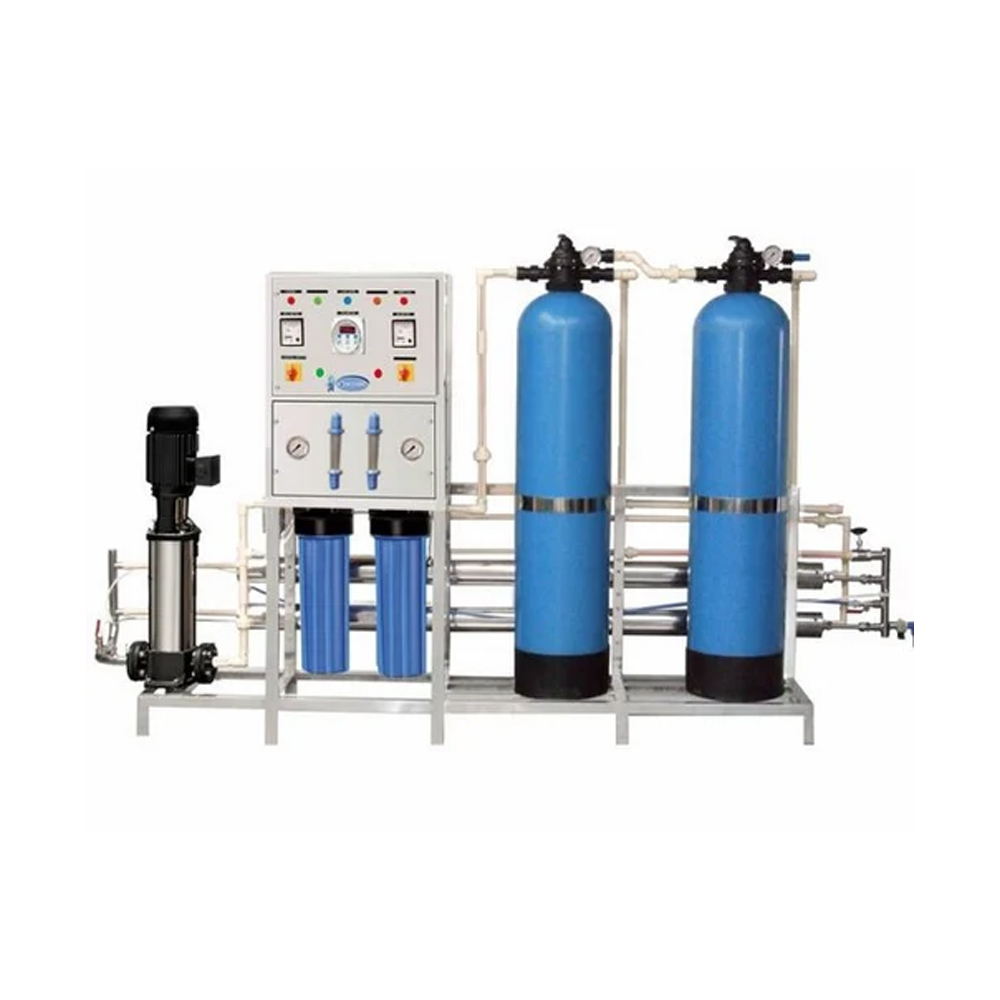
Removes moisture to prevent corrosion and contamination, protecting tools and extending equipment life. Refrigerated dryers suit general use; desiccant dryers reach the low pressure dew points instrument air requires.
Air Filters
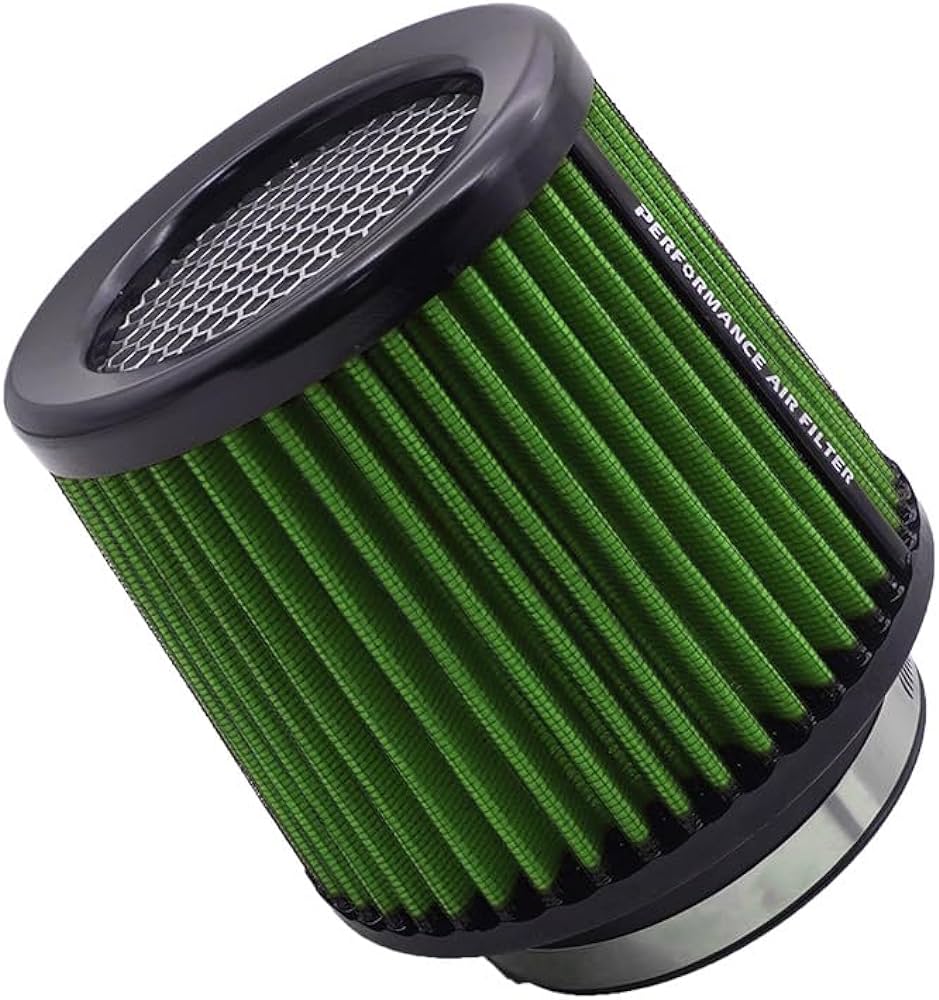
Trap dust, oil, and particulates to protect downstream components and maintain air quality. Match filtration to your ISO 8573-1 class.
Air Receiver Tank
Stores compressed air and buffers demand, reducing compressor cycling and stabilizing pressure for better system efficiency.
Regulators and Valves
Control pressure and flow to maintain consistent, safe operating levels across different operations.
Air Treatment Equipment
Delivers the air purity that food processing, pharmaceutical, and electronics applications require.
Proper sizing delivers consistent air without wasting energy. Work through these steps:
Total air demand (SCFM): add the SCFM of every tool, actuator, and process that may run simultaneously, rated at your working pressure.
Add for leakage and growth: real systems add 20 to 30 percent margin for leaks (which always exist) and future expansion.
Working pressure (PSI): determine the highest pressure your equipment needs at the point of use, then add back system losses.
Convert to HP if needed: at roughly 4 to 5 CFM per HP for a rotary screw, about 225 CFM at 100 psig points to roughly a 50 HP machine. Treat this as an estimate.
Account for treatment and storage: dryers and filters add pressure drop; receiver tanks smooth demand but do not replace compressor capacity.
These figures are guidelines. For a precise specification, a compressed-air audit by a qualified provider is the most accurate method, and eINDUSTRIFY'sRFQ and sourcing service can help match a unit to your audited demand.
Air Demand by Common Industrial Application
As a starting reference for the demand calculation above (always confirm against each tool's data sheet):
Application
Approximate Air Demand (CFM)
Impact wrench
6 to 20 CFM
Air grinder / die grinder
5 to 12 CFM
Spray gun (production finishing)
12 to 20+ CFM
Sandblasting (industrial)
50 to 100+ CFM
Plasma cutter
4 to 8 CFM
Pneumatic actuators / automation
Varies; sum per data sheet
Energy Efficiency and Lifetime Cost
Because electricity is roughly 76 to 80 percent of an industrial compressor's lifetime cost, efficiency is where the real money is made or lost. High-impact measures:
VSD compressors adjust motor speed to demand, saving energy whenever the system runs below full load. (A fixed-speed compressor idling still draws around 40 percent of full-load power, so unloaded running is pure waste.)
Leak detection and repair matters more than buyers expect: the average industrial compressed air system loses 20 to 30 percent of its output to leaks, per the U.S. DOE Compressed Air Challenge. Ultrasonic detection finds them, and an audit often pays for itself within months.
Pressure reduction: since each 1 bar (about 14.5 psi) of added pressure costs roughly 8 percent more power, running at the minimum pressure the application needs is a no-cost saving.
Proper piping design reduces pressure drop; oversized smooth piping pays back in lower energy use.
Waste-heat recovery captures the heat a compressor generates. Since 80 to 90 percent of input energy becomes heat, a properly designed recovery unit can reclaim 50 to 90 percent of it for space or water heating.
Smart controls monitor consumption and optimize output automatically.
Industrial Compressor Brands Comparison
Evaluate brands for reliability, energy efficiency, and service support:
Atlas Copco
High efficiency and intelligent energy-management controls that cut consumption during low-demand periods, suited to facilities optimizing productivity and operating cost.
Ingersoll Rand
Durable, heavy-duty models engineered for continuous operation in demanding environments, with a broad range for long equipment life.
Kaeser
Quiet operation and advanced monitoring, with optimized air-end designs and Sigma Control systems for reliable automated performance.
Quincy
Reliable rotary screw units with long service intervals and strong warranty coverage, valued in manufacturing and processing.
Sullair
Energy-efficient, sustainability-focused designs with innovative air-end technology that reduces energy use and emissions.
(Other established industrial brands include Gardner Denver, Chicago Pneumatic, and Champion.)
Compressed Air Safety
Safe operation protects both staff and equipment:
Never use compressed air to clean clothing or skin.
Inspect hoses and fittings regularly for wear, leaks, or cracks, and use fittings rated for the system PSI.
Install safety valves to prevent over-pressurization.
Train staff in safe pneumatic tool handling, and use hearing protection where levels reach 80 dB or more.
Ensure proper ventilation to prevent overheating.
Choosing the Best Industrial Air Compressor
Bring the decision together around these factors:
Application needs
Assess whether operations require constant or variable airflow, and size for peak demand to prevent performance drops and energy waste.
Energy efficiency
Favor VSD or two-stage units and look for energy recovery and smart controls, since efficiency dominates lifetime cost.
Compressor type
Rotary screw for continuous operation, reciprocating for intermittent use, centrifugal for very high volume, scroll or vane for clean low-volume air.
Power and location
Confirm single-phase vs three-phase supply, plan ventilation and spacing to prevent overheating, and consider sound-insulated enclosures where noise matters.
Maintenance and service
Check after-sales support, spare-parts availability, and service intervals, since downtime is far costlier than the parts.
The Bottom Line
Choosing the right industrial air compressor is a lifetime-cost decision, not a purchase-price one. Match the type to your duty cycle, size by total SCFM demand plus margin, confirm your power supply and air-quality class, and prioritize the energy efficiency that drives roughly three-quarters of the cost. Get those right and the compressor pays for itself in uptime and energy saved.
Source Industrial Air Compressors with eINDUSTRIFY
eINDUSTRIFY connects industrial buyers with rotary screw, reciprocating, centrifugal, and oil-free compressors plus the dryers, filters, and air-treatment equipment that complete the system, all from vetted, trusted brands. Browseindustrial air compressors, or for sizing help and OEM-spec sourcing,send an RFQ and our team will match a unit to your demand. Reach us at info@eindustrify.com or +1 (888) 774 7632, and register your account for access to the B2B industrial marketplace.
Frequently Asked Questions
What type of air compressor is best for continuous industrial use?
Rotary screw compressors are the standard for continuous operation because they run efficiently at up to 100 percent duty cycle with steady flow, low noise, and lower maintenance. Reciprocating compressors suit intermittent or smaller-volume tasks, and centrifugal compressors suit very high-volume facilities.
How do I size an industrial air compressor?
Add the SCFM of all equipment that may run at once, add 20 to 30 percent for leakage and growth, determine the required pressure at the point of use plus system losses, and convert to horsepower if needed (roughly 4 to 5 CFM per HP for a rotary screw). For accuracy, have a compressed-air audit performed.
What is the difference between CFM, SCFM, and PSI?
CFM measures the volume of air a compressor delivers; SCFM is CFM normalized to standard conditions, which is how tools are rated, so size against SCFM. PSI measures pressure. A compressor must meet both your tools' SCFM and PSI requirements; high PSI does not compensate for insufficient flow.
Do I need single-phase or three-phase power for an industrial compressor?
Single-phase power typically supports compressors up to about 7.5 HP. Larger industrial compressors require three-phase power, which is standard in industrial buildings and runs more efficiently. Confirm your building's supply before specifying, because the compressor must match the available phase and voltage.
Why is energy efficiency so important when choosing a compressor?
Electricity is roughly 76 to 80 percent of an industrial air compressor's total lifetime cost, while the equipment itself is only about 12 percent, according to U.S. DOE and Natural Resources Canada data. A VSD or high-efficiency compressor, combined with leak repair and minimum-pressure operation, saves far more over the compressor's life than a lower purchase price.
How much energy do compressed air leaks waste?
The average industrial compressed air system loses 20 to 30 percent of its output to leaks, according to the U.S. DOE Compressed Air Challenge. Ultrasonic leak detection and repair typically pays for itself within one to three months, making it one of the highest-return efficiency measures available.
What is a good duty cycle for an industrial air compressor?
For continuous operation, choose a compressor rated for a high or 100 percent duty cycle, which rotary screw units provide. Single-stage reciprocating compressors are often limited to around 50 percent duty cycle and must be oversized in horsepower to allow cooling, making them better suited to intermittent use.
Tags: Industrial Air Compressors Compressed Air Systems Rotary Screw Compressors Industrial Energy Efficiency Compressed Air Applications Industrial Equipment Solutions













 vs Automatic Transfer Switch (ATS) for Data Centers.png)