Choosing the Right Global Power Transmission Equipment
When it comes to power industries, machinery, and even renewable energy systems. Global Power Transmission Equipment plays a pivotal role. These systems facilitate the transfer of energy from one location to another, powering a range of operations from heavy machinery to light industrial applications.
Choosing the right power transmission equipment is crucial for ensuring operational efficiency, longevity, and minimal downtime. If you work in energy projects, heavy-duty machinery, or manufacturing, understanding mechanical power transmission components helps you make informed decisions.
In this blog, we will discuss everything you need to know about selecting the right power transmission equipment for your needs. With a focus on key elements such as energy transmission systems, high-efficiency power transmission, and durable mechanicalaccessories.
What Is Global Power Transmission Equipment?
This refers to the various mechanical components and systems that facilitate the movement of energy from one part of a machine or system to another. This includes components such as belts and chains, couplings and bushings, pulleys andsprockets, bearings, and gear drives. These elements work together to transmit mechanical power from one source (e.g., electric motors) to the components that require it, ensuring that machines operate smoothly and efficiently.
Power transmission equipment is used in a wide range of industries, including mining, automotive, renewable energy, and industrial manufacturing. These systems are essential for moving heavy-load transmission parts and heavy-duty machinery to drivecomponents, powering everything from basic machinery to complex energy-sectortransmission equipment.
Key Components of Power Transmission Equipment
To make the right choice, it's important to understand the key components of global power transmission systems. Let's look at some of the most common mechanical powertransmission components:
Belts and Chains
Belts and chains are essential for transmitting power in many industrial applications. Belts are commonly used in systems that require high-efficiency power transmission and where smooth, continuous motion is required. Chains, on the other hand, are more commonly used in heavy-duty systems, where heavy loads are transmitted, such as in mining equipment transmission parts or heavy-duty machinery that drives components.
Both belts and chains come in various sizes and designs, depending on the load requirements and operating conditions. The right choice between belts and chains depends on factors like load capacity, speed, and efficiency. Chains are often preferred for applications requiring higher load-bearing capacity and energy transmission systems.
Pulleys and Sprockets
Pulleys and sprockets are integral parts of mechanical power transmission systems. Pulleys are typically used with belts, and sprockets work with chains. Both help guide the belts and chains, efficiently transmitting energy to the appropriate components.
When selecting pulleys and sprockets, consider factors such as material strength, weight, and operating environment. Some applications, such as those in the automotive transmission accessories field, may require smart transmission equipment for improved control and automation.
Bearings and Gear Drives
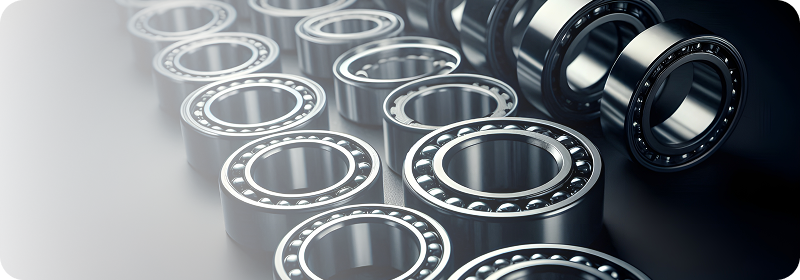
Bearings and gear drives ensure that the transmission components can rotate smoothly and without excessive friction. Bearings are often used in systems that involve rotational movement, reducing friction, and wear on the equipment. Gear drives are used to change the speed, torque, and direction of power in a system. Choosing the right bearings and gear drives depends on factors such as load capacity, desired performance, and durability requirements, especially in industries like mining and industrial machinery accessories.
Couplings and Bushings
Couplings and bushings are used to connect different parts of the transmission system, such as shafts and gear drives, and to prevent misalignment. Couplings play a crucial role in reducing the impact of shock loads and vibrations, especially in heavy-load transmission parts and heavy-duty machinery drive components. Bushings, on the other hand, help reduce friction and wear in rotating parts.
Shaft Collars and Clutches
Shaft collars and clutches are used to ensure proper shaft alignment and to control the engagement of rotating parts. Shaft collars are designed to hold parts in place along a shaft, while clutches engage or disengage a shaft from a power source. Both components are integral to ensuring the smooth operation of transmission systems, particularly in energy sectortransmission equipment and automotive transmission accessories.
Factors to Consider:
The right power transmission equipment involves considering several factors that will impact your system's performance, efficiency, and durability. Below are key factors to consider:
Load Capacity
Every application will have different load requirements. Heavy-load transmission parts are often required in industries such as mining, construction, and automotive. It's important to choose equipment that is rated for the maximum load your system will encounter. Heavy-dutymachinery drive components and mining equipment transmission parts often need to withstand higher loads, which can require specialized designs.
Efficiency and Energy Consumption
Energy efficiency is a crucial consideration in modern power transmission systems. Whether you're working with high-efficiency power transmission systems or energy transmissionsystems for renewable energy applications, choosing equipment that minimizes energy waste will help reduce operational costs. Sustainable power transmission materials can also be part of an eco-friendly approach to designing energy systems.
Durability and Maintenance
For industrial or energy-sector transmission equipment, durability is key. Maintenance-free drive and mechanical accessories reduce the need for frequent repairs and ensure the system remains operational for longer periods. Always choose equipment with a reputation for reliability and longevity to minimize downtime and maintenance costs.
Application-Specific Requirements
Depending on the industry you work in, you may need specialized OEM transmissionaccessories, such as those for automotive or mining equipment transmissions. Evaluate the specific needs of your application, including speed, torque, power requirements, and environmental factors, to ensure you select the appropriate components.
Sustainability and Environmental Impact
With the growing focus on sustainability, it's essential to choose energy-efficient powertransmission systems that reduce environmental impact. For renewable energy applications, select equipment made from sustainable materials and components that optimize energy use. Smart transmission equipment can also help reduce emissions and optimize energy use across systems.
Applications for Power Transmission Equipment
This transmission equipment is used across various industries. Below are some key areas where these components play a vital role:
Renewable Energy
In renewable energy systems, power transmission components are crucial for efficiently transmitting energy generated from solar, wind, and hydropower sources to the grid. High-efficiency power transmission systems help ensure that energy from renewable sources is delivered without significant loss, supporting sustainable power transmission.
Automotive Industry
In the automotive sector, transmission systems are vital for transferring power from the engine to the wheel. Components like automotive transmission accessories, pulleys and sprockets, couplings, and bushings are essential for efficient vehicle operation. These components also contribute to the vehicle's overall fuel efficiency and performance.
Mining and Heavy Machinery
In the mining industry, heavy-duty drive components and transmission parts for mining equipment are crucial for powering excavators, drills, and other heavy equipment. These components need to handle extreme loads and operate efficiently in harsh environments, making durability and performance essential.
Industrial Manufacturing
Industrial transmission equipment, such as belts and chains, pulleys and sprockets, and shaft collars and clutches, is used in manufacturing plants to power production lines, conveyors, and other machinery. Selecting the right mechanical power transmissioncomponents ensures smooth operation and minimizes downtime.
At the Bottom Line
Good power transmission equipment is critical to ensuring the efficiency, reliability, and longevity of your machinery. By considering factors such as load capacity, energy efficiency, durability, and application-specific needs, you can make an informed decision that optimizes your system's performance and reduces long-term costs.
Whether you're in the energy, automotive, or industrial manufacturing sectors, partnering with trusted brands and smart transmission equipment ensures you are making a future-proof investment.
Partner with eINDUSTRIFY for the right global power transmission equipment
At eINDUSTRIFY, we offer a wide range of high-performance power transmission equipment and mechanical power transmission components designed to meet the demands of diverse industries. Explore our products today, and let us help you power your operations with the best industrial machinery accessories, transmission systems, and solutions. Reach out to us at info@eindustrify.com or call +1 (888) 774 7632. Register your account today to access the B2B industrial marketplace.
Tags: Power Transmission Equipment Industrial Machinery Energy Transmission Systems Mechanical Components Heavy Duty Equipment Manufacturing Industry Renewable Energy