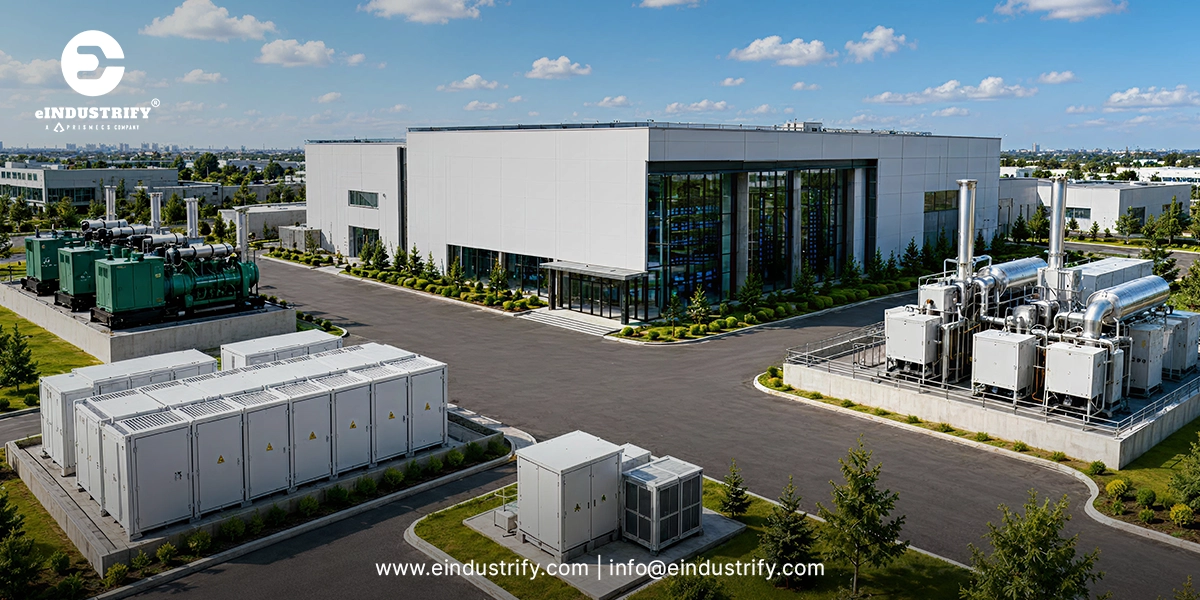
What Makes eINDUSTRIFY the Best Procurement as a Service Partner for Industrial Buyers
eINDUSTRIFY delivers Procurement as a Service (PaaS) built specifically for industrial, power generation, and MRO buyers, not generic corporate spend management. Sourcing runs through a 200,000+ SKU vetted marketplace backed by Prismecs' EPC and O&M supply network across 15+ countries. That combination solves two problems generic PaaS providers cannot: locating obsolete OEM parts and verifying they are not gray market or counterfeit. Here is exactly how the model works and why it matters for plant and procurement teams.
What Procurement as a Service Means for Industrial Buyers
Procurement as a Service is a model where an external provider manages some or all of a company's sourcing, supplier management, and purchasing functions. It combines business process outsourcing with procurement technology to deliver strategic sourcing, category management, and spend analytics as a single service.
The global PaaS market was valued at $7.52 billion in 2025 and is projected to reach $17.07 billion by 2034, a 9.6% compound annual growth rate, according to Fortune Business Insights. North America holds roughly 44% of that market share. Growth is being driven by supplier risk management needs across complex, multi-tier supply chains, not just cost-cutting.
Most PaaS providers built this model for indirect spend such as software licenses, professional services, and office supplies. Industrial and power generation buyers have a different problem entirely. They need physical parts, often from a single OEM, often with multi-year lead times, and often with real safety consequences if the part is fake or mismatched.
Why Generic Procurement as a Service Falls Short for Industrial Buyers
A SaaS-focused PaaS provider negotiates license renewals and audits contract terms. An industrial buyer sourcing a compressor blade for a legacy gas turbine needs supplier authentication, material traceability, and a network deep enough to find a part that may no longer be in OEM production. These are not the same skill set.
Locating discontinued or single-source parts with long OEM lead times
Technology backbone
Contract management, spend dashboards
200,000+ SKU marketplace plus RFQ-based sourcing for hard-to-find parts
Operational backing
Consulting team
Prismecs EPC, O&M, and supply chain network across 15+ countries
The Real Cost of Getting Industrial Sourcing Wrong
MRO spending typically runs between 0.5% and 4.5% of annual revenue for industrial companies, according to Verdantis. The global MRO market itself is worth an estimated $450 billion in 2026, with manufacturing accounting for about 31% of that spend, per Mordor Intelligence. Treating every part category the same way tends to cause overspending in some areas and shortages in others.
New gas turbine orders now carry lead times of up to 37 months in some cases, according to industry tracking from GasTurbineHub. That backlog is pushing operators to lean harder on the spare parts market to keep existing units running rather than waiting on new equipment. Unplanned downtime across energy and industrial operators is estimated to cost more than $149 million per year industry-wide, based on recent digital spare parts research.
Sourcing outside authorized channels compounds the risk. A widely cited KPMG and Alliance for Gray Market and Counterfeit Abatement study found that gray market activity accounted for roughly 6% to 8% of total technology market revenue. A U.S. Senate Armed Services Committee investigation into the defense supply chain identified 1,800 counterfeiting cases tied to unauthorized parts sourcing, per CISA's Critical Manufacturing Sector guidance.
For a power plant or industrial facility, a counterfeit or mismatched part is not just a cost problem. It is a safety and reliability problem, which is why supplier vetting has to be a structural part of procurement, not an afterthought.
How eINDUSTRIFY's Procurement as a Service Works
Supplier Vetting and Part Authentication
Every seller on the eINDUSTRIFY marketplace is vetted before listing. This directly addresses the counterfeit and gray market exposure outlined above, since unverified sellers are the primary entry point for bad parts entering an industrial supply chain.
For OEM and OEM-equivalent components, vetting includes checking supplier authorization status and material traceability. This matters most for safety-critical items like turbine hot gas path components, generator excitation systems, and switchgear, where a failed part can shut down an entire operation.
Category Management and Spend Visibility
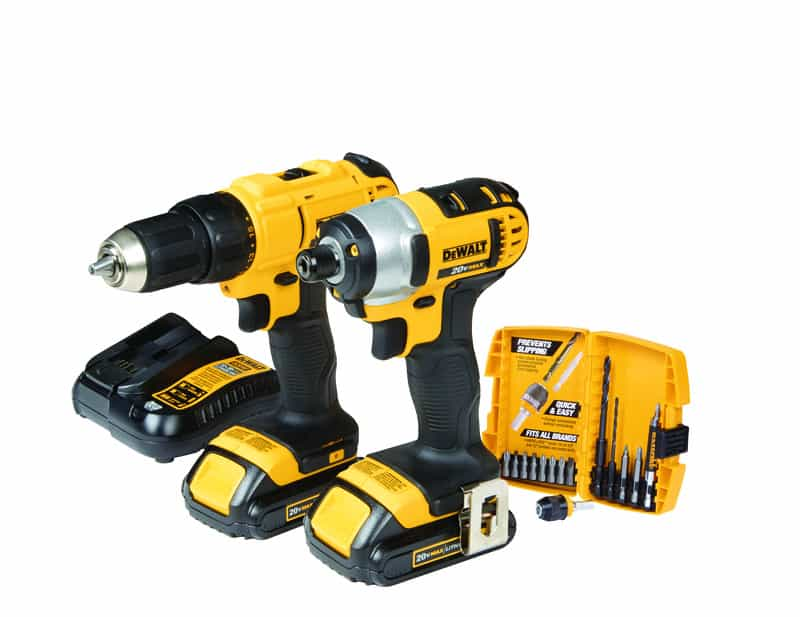
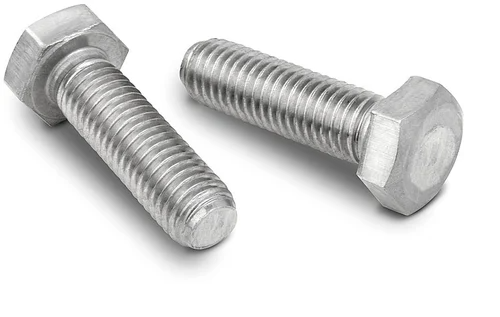
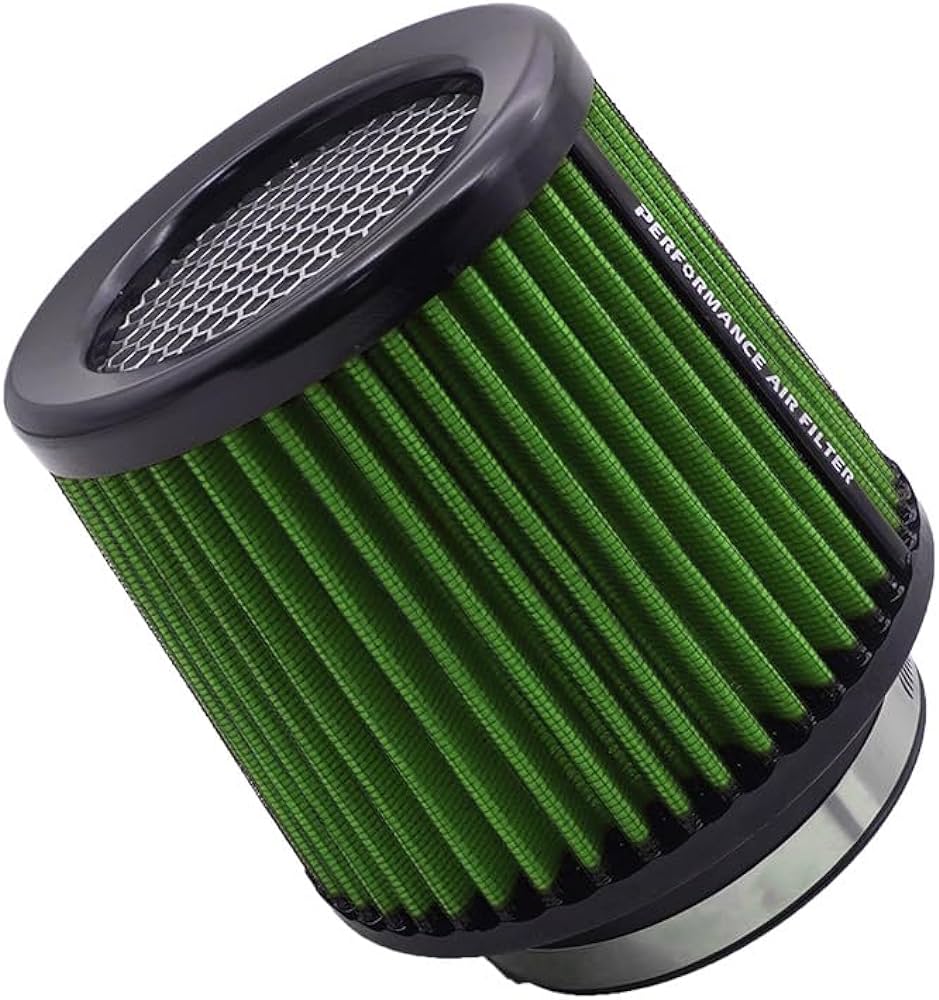
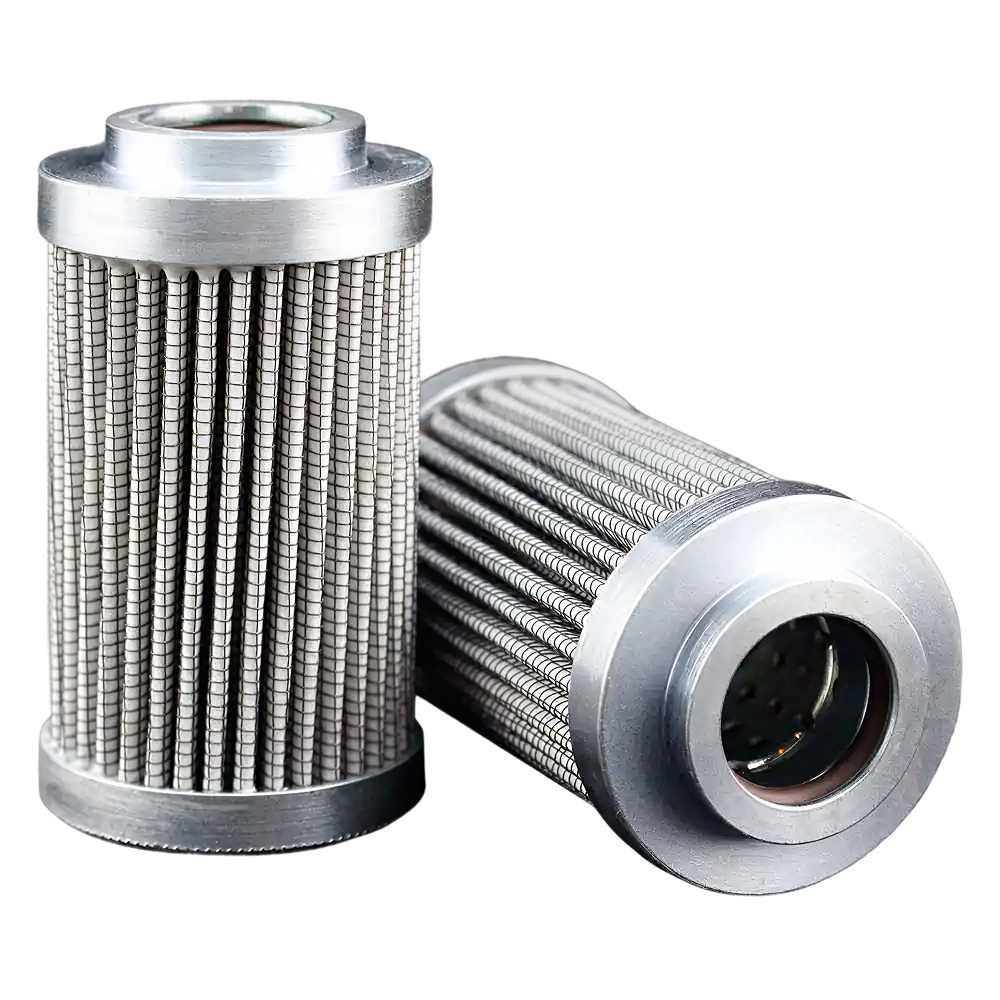
eINDUSTRIFY segments client spend by category, distinguishing high-criticality, low-volume items liketurbine air filters from high-volume commodity spend like fasteners or hand tools. This separation is what lets a procurement team stop overstocking common parts while under-tracking the rare ones that actually cause downtime.
Spend visibility also surfaces tail spend, the long list of small, irregular purchases that individually look insignificant but collectively represent meaningful budget leakage. Most in-house teams do not have the bandwidth to track this consistently.
Strategic Sourcing for OEM and Hard-to-Find Parts
This is where eINDUSTRIFY's industrial focus shows up most clearly. For power generation clients runningLM2500 orLM6000 aeroderivative turbine packages, sourcing extends beyond the OEM catalog into a vetted network of OEM-equivalent manufacturers.
OEM-equivalent parts typically cost 15% to 40% less than OEM list pricing, based on industry benchmarks from turbine parts suppliers, while meeting the same performance specifications. For operators facing multi-year OEM backlogs, this sourcing path can be the difference between a scheduled outage and an unplanned one.
Contract Negotiation and Supplier Relationship Management
Negotiated terms cover pricing, warranty conditions, and delivery commitments, with the goal of reducing total cost of ownership rather than just the line-item price. Ongoing supplier relationship management includes performance tracking against delivery and quality benchmarks, not a one-time negotiation that gets filed away.
Performance Reporting and Spend Analytics
Clients receive reporting on procurement spend, savings achieved, and supplier performance against agreed metrics such as on-time-in-full delivery rate and lead time variance. This gives procurement and plant leadership the visibility needed to justify sourcing decisions internally and to catch supplier performance issues before they cause downtime.
Backed by Prismecs: EPC and O&M Operational Scale
eINDUSTRIFY's Procurement as a Service is delivered with Prismecs, a turnkey energy and industrial solutions provider operating across EPC, EPCM, O&M, and distributed energy in 15+ countries. That operational footprint is what makes claims about supplier reach and category expertise verifiable rather than promotional. Buyers evaluating this page can review Prismecs' ownindustrial procurement services documentation for the underlying operational history.
eINDUSTRIFY PaaS vs. In-House Procurement vs. a Generic Provider
Factor
In-House Team
Generic PaaS Provider
eINDUSTRIFY PaaS
Industrial parts expertise
Depends on internal hires
Usually limited
Built into the marketplace and Prismecs network
Access to OEM-equivalent suppliers
Requires building relationships from scratch
Rarely a core offering
Vetted network already in place
Counterfeit and gray market protection
Manual vetting, inconsistent
Not typically addressed
Structural, seller-level vetting
Cost to stand up
High: hiring, training, systems
Moderate: service fees
No recruitment or training overhead
Speed for hard-to-find parts
Slow, ad hoc searching
Limited category depth
RFQ-based sourcing across 200,000+ SKUs
Who Uses eINDUSTRIFY's Procurement as a Service
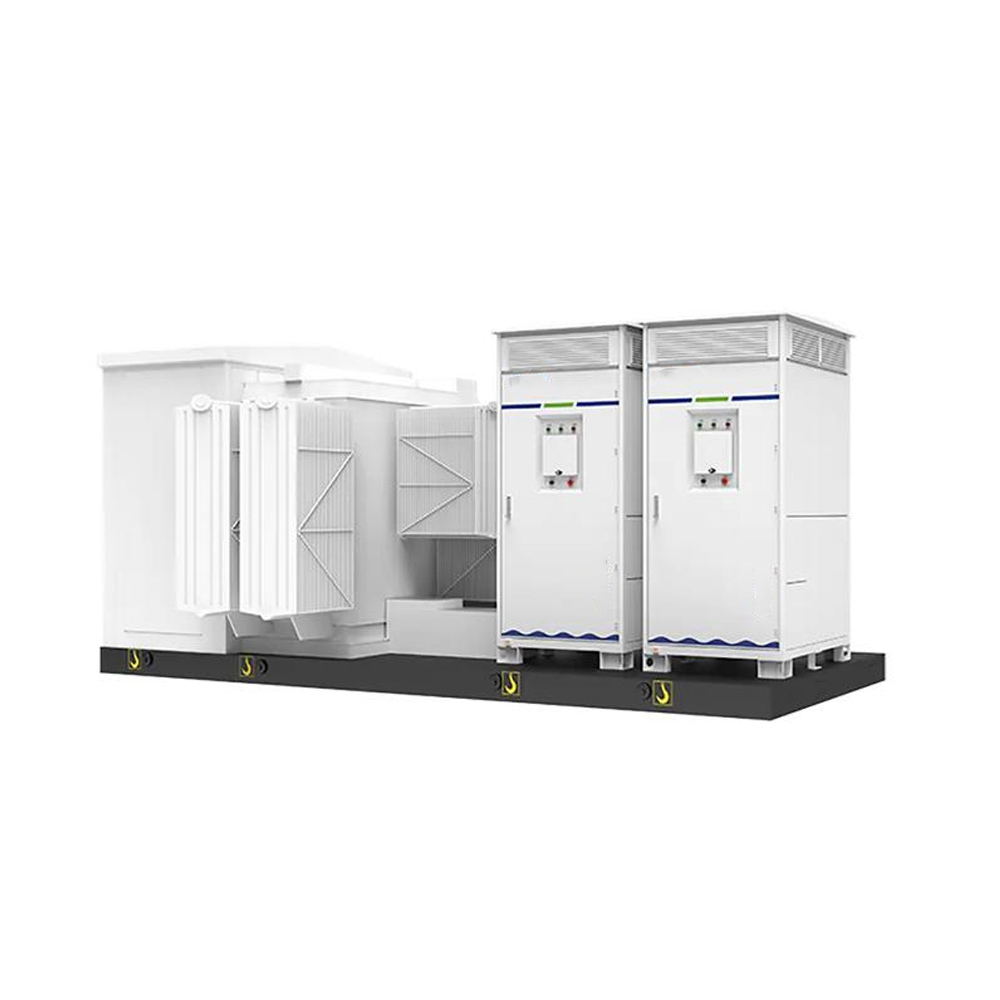
This model is built for buyers where a missing or wrong part has operational consequences, not just a budget line item. That includes power generation operators managing turbine outages, data center teams sourcing backup power equipment, and oil and gas and petrochemical facilities managing critical spares inventories.
Getting a quote does not require a long onboarding process. Submit aRequest for Quotation with your part specifications or category needs, and the sourcing team matches you against the vetted supplier network. For ongoing procurement support beyond a single RFQ,register an account to access pricing, live stock visibility, and category management support.
Frequently Asked Questions
What is Procurement as a Service?
Procurement as a Service is a model where a third-party provider manages sourcing, supplier management, and purchasing on a company's behalf, combining outsourced expertise with procurement technology.
How is industrial Procurement as a Service different from standard PaaS?
Standard PaaS is typically built for indirect spend like software and professional services. Industrial PaaS, like eINDUSTRIFY's, is built around physical parts sourcing, OEM authentication, and gray market risk management for equipment like turbines, generators, and switchgear.
Does eINDUSTRIFY only source from its own marketplace?
No. The marketplace covers 200,000+ SKUs directly, and for harder-to-find OEM or OEM-equivalent parts, sourcing extends through the RFQ process into Prismecs' broader supplier network.
How does eINDUSTRIFY prevent counterfeit or gray market parts?
Every seller is vetted before listing, and OEM-equivalent components go through supplier authorization and traceability checks before being sourced for a client.
What industries typically use this service?
Power generation, data centers, oil and gas, petrochemical, and other industrial operators managing critical equipment and spare parts inventories.
Partner with eINDUSTRIFY for Procurement as a Service
If your team is managing turbine outages, aging OEM parts, or gray market risk in your supply chain, this is the procurement model built for that problem, not a generic one adapted to fit. Email info@eindustrify.com or call +1 888 774 7632 to talk through your category needs, orsubmit an RFQ directly to get sourcing started.
Tags: Procurement as a ServiceStrategic SourcingProcurement As a Service ModelSupplier ManagementProcurement ProcessProcurement ExpertiseSupplier RelationshipsProcurement FunctionsBenefits Of ProcurementSourcing And ProcurementBusiness Process Outsourcing















 vs Automatic Transfer Switch (ATS) for Data Centers.png)